Two thousand lives. Let that number sink in. When the 10th Ebola virus epidemic officially crossed the tragic threshold of two thousand deaths in the Democratic Republic of Congo, the world mostly watched from a distance. You've probably heard about major outbreaks in the news, but the sheer operational nightmare on the ground rarely makes it into standard headlines.
It's messy. It's violent. And it tests the absolute limits of modern medicine in regions where infrastructure basically doesn't exist.
If you want to understand how public health catastrophes actually unfold, you have to look at the 2018-2020 Kivu outbreak. This wasn't just a medical emergency. It was a masterclass in how community distrust, armed conflict, and political instability can combine to supercharge an epidemic. Let's break down what actually happened, why the death toll climbed so high, and what we keep getting wrong about managing these crises.
The Brutal Reality of the Kivu Outbreak
Public health responses usually rely on a simple playbook: isolate the sick, trace their contacts, vaccinate the vulnerable, and educate the public. Sounds straightforward, right? It isn't.
During the Kivu epidemic, health workers weren't just fighting a filovirus. They were navigating active combat zones. More than a hundred armed groups operate in eastern Congo. Clinics got burned down. Treatment centers were attacked with stones and firebombs. Doctors and epidemiologists were killed in cold blood.
When you tell a terrified population to trust men in biohazard suits coming from the capital, but those same communities feel entirely abandoned by their government, compliance evaporates.
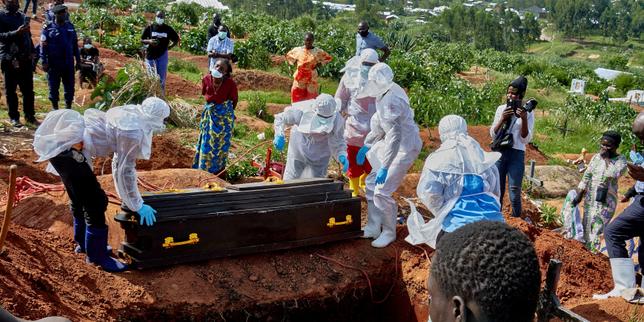
People hid their sick family members. They washed bodies according to traditional burial rites, which is basically an express lane for viral transmission. The virus thrived because the social fabric was already torn to shreds by decades of conflict.
Why the Tools Weren't Enough
We had weapons this time that previous generations of doctors could only dream of. Experimental vaccines and therapeutic treatments existed. Over three hundred thousand people received the rVSV-ZEBOV vaccine. Monoclonal antibodies like REGN-EB3 and mAb114 dramatically slashed mortality rates for patients who made it to treatment centers early.
So why did the death toll still breach two thousand?
Access is everything. You can have the best vaccine in a ultra-cold freezer in Geneva, but if a militia controls the road between Goma and Beni, that dose is useless.
- Delayed care: Patients often waited over a week to seek help, trying traditional healers first. By the time they arrived at a treatment center, their organs were already failing.
- Misinformation campaigns: Rumors spread like wildfire on local radio and WhatsApp. People genuinely believed the disease was a political hoax or that foreign medical teams were intentionally infecting communities.
- Porous borders: Movement across the borders of Rwanda and Uganda made contact tracing look like trying to catch smoke with your bare hands.
Medical interventions cannot succeed in a vacuum. You need peace. You need local leaders driving the response, not foreign experts barking orders from air-conditioned compounds.
The Cost of Ignoring Community Voices
The biggest mistake public health organizations make is treating local populations as subjects rather than partners. Early on in the DRC outbreak, top-down mandates caused fierce resistance.
Communities wanted safe burials that still respected their dignity and cultural traditions. Instead, they got armed disinfection teams handling bodies like hazardous waste. That bred resentment.
Real progress only happened when the World Health Organization and local ministries shifted tactics. They started hiring local anthropologists, youth leaders, and survivors to lead the messaging. When a person who survived Ebola tells you the treatment center is a place of healing rather than a death sentence, people listen. When an international bureaucrat says the exact same thing, people run.
What We Must Learn Moving Forward
Epidemics like the one in the DRC are not anomalies. They are a preview of what happens when climate stress, weak healthcare systems, and geopolitical instability collide.
You cannot fix a biological crisis with purely medical tools. We have to invest in primary healthcare infrastructure before the outbreak happens, not after the first patient dies. Trust takes years to build and seconds to destroy.
Keep your eyes on how global health funding shifts. If we keep funding emergency responses while starving local clinics of basic resources, we are simply waiting for the next two thousand casualties.
Protect the frontline workers. Involve local communities from day one. And remember that behind every statistic in a global health report is a human being whose community will never be the same.