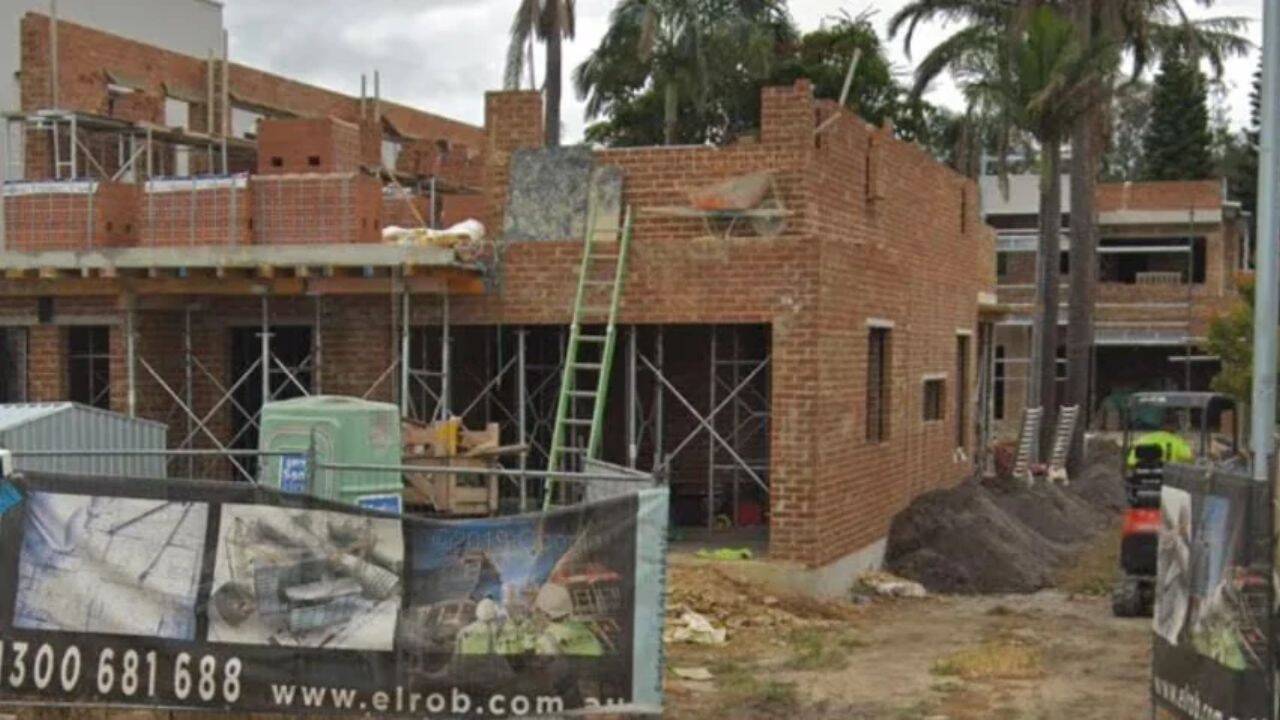
One hundred and twenty-seven defects across just two residential properties. Think about that number for a second. That isn't a couple of crooked cabinet doors or a streaky paint job you can ignore over a weekend. It's a systemic failure of basic building standards, and in New South Wales, it just cost a Sydney builder $346,000 in compensation.
When a tribunal orders a contractor to pay out hundreds of thousands of dollars over two homes, people pay attention. Rightly so. Buying or building a house in Sydney already stretches most families to their financial limit, so finding out your brand-new home is riddled with faults feels like a gut punch.
Yet the real story behind the "$346,000 over 127 defects" ruling isn't just about one builder getting caught out. It's about how New South Wales building laws actually protect you when things go sideways, why so many defects slip past final handovers, and what you need to do before signing off on a single progress payment.
Why 127 Defects Happen in Modern Sydney Builds
You might wonder how two homes rack up 127 separate faults without someone stopping the job halfway through. Honestly, if you've spent any time around residential construction sites over the last few years, it doesn't shock you at all.
Speed kills quality. Subcontractors get squeezed on margins, schedules tighten up when weather delays hit, and site supervisors end up juggling way too many projects at once. Suddenly, nobody checks whether the waterproofing membrane cured properly before the tiler lays porcelain over it.
In New South Wales, residential building disputes like this usually land in front of the NSW Civil and Administrative Tribunal (NCAT), or get escalated through NSW Fair Trading and the Building Commission NSW. When an independent building consultant walks through a property with a torch, a spirit level, and a moisture meter, those "minor" rush jobs turn into an itemized Scott Schedule stretching dozens of pages.
Here's what typically makes up a defect list of that size:
- Waterproofing and drainage failures. Balcony falls sloping toward the sliding door instead of the drain, missing flashings around windows, and shower membranes that fail flood tests. Water ingress is easily the single most expensive nightmare in Australian residential construction.
- Structural and framing shortcuts. Out-of-plumb walls, inadequately braced roof trusses, or concrete slabs showing excessive cracking beyond acceptable tolerances under the National Construction Code (NCC).
- External cladding and roofing faults. Improperly sealed penetrations, mismatched flashings, and roof sheets fixed without the right fasteners for local wind classifications.
- Internal finishing defects. Doors that won't latch because frames weren't squared, uneven floor levels, poorly installed cabinetry, and non-compliant balustrade heights.
Individually, a missing weep hole or an unsealed joint looks tiny. Multiply those shortcuts across two entire dwellings, factor in the cost of demolition to reach hidden membranes, and $346,000 suddenly makes complete financial sense.
How the NSW Home Building Act Holds Builders Accountable
A lot of homeowners assume that once they hand over the final payment and get the keys, the builder holds all the cards. That's completely false. In New South Wales, the Home Building Act 1989 gives property owners statutory warranties that apply automatically—even if the builder tried to write sneaky exclusion clauses into your contract.
You don't need a special guarantee in fine print. The law bakes those protections straight into every residential building contract over $5,000.
Under section 18B of the Act, your builder legally warrants that the work will be done with due care and skill, in accordance with the plans and specifications, using good and suitable materials, and complying with all relevant laws and codes. They also warrant that the home will be reasonably fit for occupation.
Timeframes matter massively here, and missing a deadline can ruin an otherwise rock-solid claim:
- Major defects carry a six-year warranty period. Under the legislation, a major defect involves a major element of the building—like waterproofing, fire safety systems, or structural load-bearing components—that causes or is likely to cause the building to be uninhabitable, unusable for its intended purpose, or at risk of collapse.
- All other defects carry a two-year warranty period. Cosmetic issues, minor tiling cracks, sticking doors, and non-structural faults fall into this bucket.
The clock starts ticking from the date the work is completed. If you notice a problem at year five and wait eighteen months to lodge a formal application, you've basically handed the builder a free pass.
What NCAT Actually Looks At Before Ordering a Payout
Winning a $346,000 order doesn't happen just because a homeowner shows up to a hearing angry with a folder of smartphone photos. Tribunals run on evidence, technical standards, and strict procedural rules.
When an adjudicator or tribunal member evaluates a defect claim, they rely heavily on the NSW Guide to Standards and Tolerances alongside the National Construction Code (NCC) and relevant Australian Standards (such as AS 3740 for domestic wet area waterproofing).
An illustrative example of how this plays out in practice makes the difference clear. Imagine a homeowner complains that their living room wall looks wavy when the afternoon sun hits it. If a straightedge placed against the plasterboard shows a deviation of 2mm over a two-meter span, the tribunal will likely dismiss that item because it falls within accepted industry tolerances. Now imagine a bathroom floor where water pools 15mm deep away from the floor waste because the screed wasn't graded properly. That breaches Australian Standards directly, and the builder gets hit with the full cost of stripping the tiles, re-screeding, re-waterproofing, and retiling from scratch.
Triaging defects this way is why expert witnesses decide almost every major building case. Both sides usually hire licensed building consultants who inspect the properties, document every breach against specific code clauses, and price out the rectification scope using real market rates.
There's also a huge legal principle homeowners need to understand: the builder's right to rectify. Courts and tribunals generally prefer letting the original builder fix their own mistakes rather than awarding cash damages straight away—unless the relationship has completely broken down, the builder refuses to return, or their previous repair attempts prove they lack the competence to do the job safely. When a builder accumulates 127 defects across two homes and fails to resolve them properly, tribunals lose patience fast and switch to monetary orders so the owners can hire someone competent.
What Most Homeowners Get Wrong Before Handover
If you want to avoid spending two years of your life arguing in tribunal hearing rooms, the battle gets won or lost before you release your final payment.
Most people treat the practical completion inspection like a celebratory walkthrough. They walk around admiring the kitchen island bench, check that the lights turn on, test the air conditioning, and sign the handover paperwork because they're desperate to move their furniture out of storage.
Big mistake. Huge.
Once you hand over that final progress payment, your leverage drops off a cliff. Before handover, the builder wants your money. After handover, you're just another name on a warranty spreadsheet competing for time against their next paying client.
Here's what you should never do during a build or renovation:
- Never rely on the builder's private certifier to catch quality defects. Private certifiers check statutory compliance at mandatory critical stage inspections—things like footings, framing, waterproofing, and final occupation certificates. They aren't hired to be your personal quality assurance clerk of works.
- Never skip an independent pre-handover inspection. Paying $600 to $1,200 for an experienced, independent building inspector to crawl through your roof cavity, check subfloor ventilation, run thermal imaging over wet areas, and measure balcony falls is the cheapest insurance you'll ever buy.
- Never accept verbal promises at handover. If a site supervisor says, "Sign off today so you can move in, and we'll send the tiler back next Tuesday to fix that cracked grout," get it written into an agreed defects schedule with firm completion dates before releasing funds.
How to Protect Yourself When Defects Show Up
Suppose you're already in the house, and things start going wrong. Paint bubbles near the bottom of an internal wall. A sliding door jams every time it rains. Tiles start sounding hollow underfoot.
Panic doesn't help, and withholding random amounts of money without following your contract can actually put you in breach. Take a methodical approach instead.
Document Everything Immediately
Take clear, well-lit photos and videos showing both close-up detail and wider context so anyone looking at the image knows exactly which room and wall they're viewing. Keep a written log of dates, weather conditions (especially if leaks happen during heavy rain), and every conversation you have with the builder. Follow up every phone call with a brief email summarizing what was discussed so there's a timestamped paper trail.
Issue a Formal Written Notice
Check your building contract for the exact notice provisions. Send a polite, factual, itemized list of defects to the builder in writing, referencing the contract and asking for a proposed schedule to inspect and rectify the issues within a reasonable timeframe—usually 14 to 28 days depending on urgency.
Bring in NSW Fair Trading Early
If the builder ghosts you, stalls endlessly, or claims major defects are "normal settling," lodge a formal complaint with NSW Fair Trading. Their building inspectors can conduct an on-site dispute resolution inspection and issue a Rectification Order compelling the builder to fix proven defects by a set date. Failing to comply with a Rectification Order carries serious licensing consequences for the builder through the Building Commission NSW, which is often enough to make a reluctant contractor suddenly find time in their schedule.
Know When to Engage a Construction Lawyer
When defects run into tens or hundreds of thousands of dollars—like a 127-item disaster—DIY advocacy stops working. A specialist construction lawyer paired with an NCAT-compliant expert building witness will structure your Scott Schedule properly, calculate accurate rectification quotes, and ensure you don't accidentally miss a statutory limitation period.
Building a home shouldn't require a law degree and a moisture meter just to get what you paid for. Yet cases like this $346,000 Sydney ruling prove that while rogue or careless builders still slip through the cracks, New South Wales law gives homeowners real teeth when they document the evidence and refuse to back down. Hire an independent inspector before your next handover, keep every communication in writing, and never sign off on incomplete work just to get the keys a week earlier.