The kitchen at six in the morning has a specific kind of silence. It is not peaceful. It is loaded. It is the heavy, waiting quiet of a house that hasn't quite shaken off the night, where everyone is still tangled in bedsheets and the day’s demands are crouching just out of sight.
You walk across the cold floorboards in your socks. You don't turn on the overhead lights because harsh fluorescent glare feels like an assault before the sun has earned its place in the sky. You rely instead on the pale blue glow of the stove clock. If you found value in this post, you might want to read: this related article.
You need coffee. Not as a luxury, not as a lifestyle aesthetic to photograph for a screen, but as an immediate physical necessity. You need the warm mug between your palms to anchor you against the coming hours of emails, deadlines, carpools, and noise.
In most kitchens, this moment comes with a soundtrack of friction. For another look on this event, refer to the latest update from Apartment Therapy.
Clatter. Measuring spoons scraping against the bottom of a metal tin. Paper filters unfolding with a dry crinkle. The loud, sputtering roar of an old machine clearing its throat, vibrating the countertop so hard it rattles the ceramic sugar bowl. Then, the wait. Ten minutes of watching a glass pot drip amber liquid onto a hot burner, smelling the faint, slightly scorched odor of coffee grounds that sat too long on the heating element.
By the time the cup is full, the quiet of the morning is gone. The spell is broken. The household is waking up to the clatter.
Consider what happens next: you settle for a rushed, bitter sip, or worse, you abandon the lukewarm remnants because you had to run out the door.
We have normalized this friction. We treat the morning routine as a gauntlet we must survive rather than a transition we should savor. We accept bulky, complicated machinery that demands counter space we don't have and mechanical rituals that require more brainpower than we possess before our first caffeine intake.
(Hypothetical scenario: Imagine a kitchen where the entire process requires one hand, zero cleanup, and takes less time than it takes to tie your shoes.)
The shift doesn't happen because of a massive lifestyle overhaul. It happens because of a change in hardware.
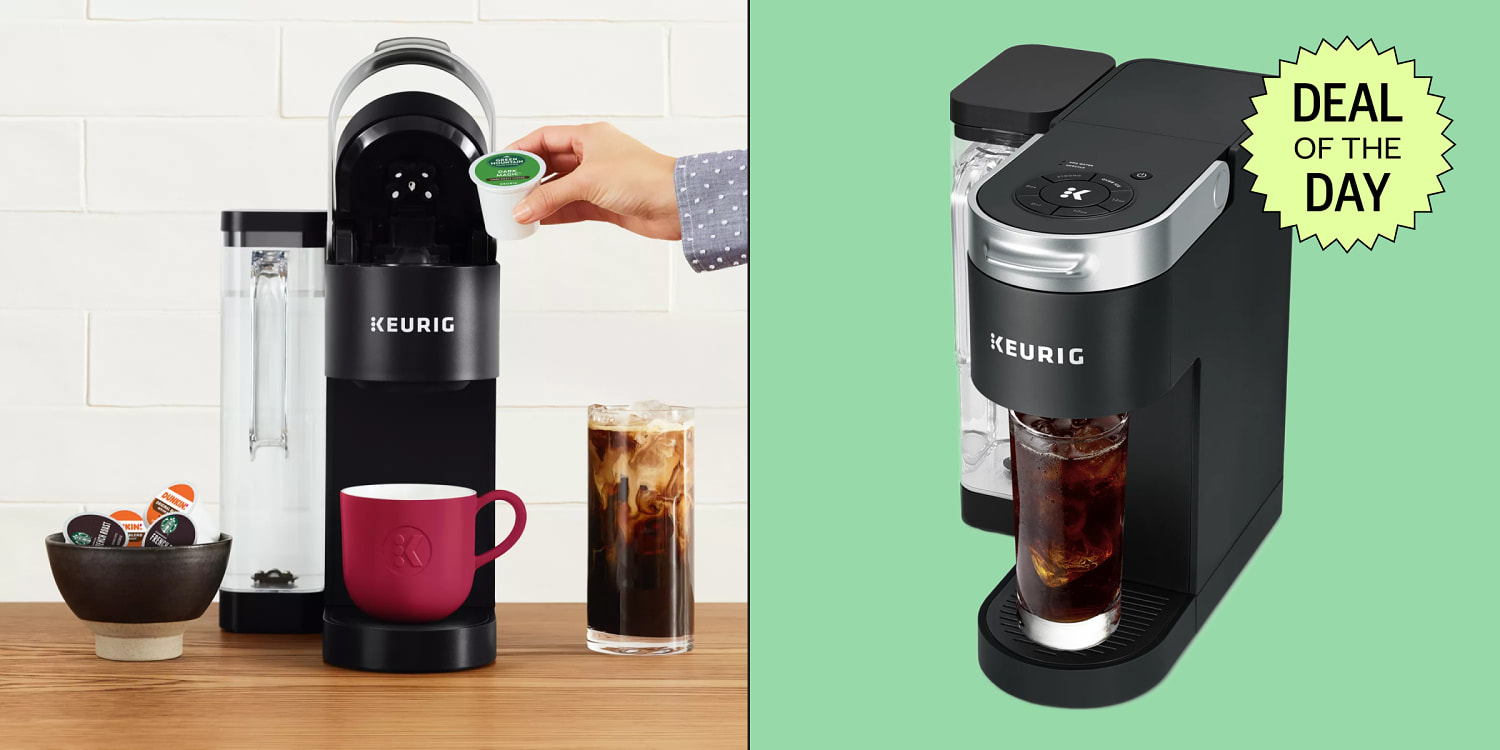
Take, for instance, the quiet and compact Keurig coffee maker sitting quietly in the corner of thousands of counters right now. For most of its existence, this machine has been viewed through a utilitarian lens. It is a box that makes coffee fast. But looking at it purely as an appliance misses the psychological point entirely.
It is an instrument of stealth.
When you slide a small pod into the chamber—perhaps a bold dark roast or a smooth breakfast blend—and press the single button, something remarkable happens. There is no roar. There is no violent shaking. There is a low, muted hum, like a distant engine, and then the steady stream of dark, steaming liquid pours straight into your favorite mug.
It takes less than a minute.
And right now, that specific quiet machine is under $90 for a limited time, a modest price drop for something that buys back ten minutes of peace every single day.
Price tags matter, of course. We live in an era where every household budget feels the squeeze of rising costs, where we weigh every purchase against groceries, gas, and utilities. Spending money on convenience feels like a guilty indulgence until you calculate the hidden tax of living without it. How much is your morning sanity worth? How much do you spend sliding through a drive-thru line, burning gas and waiting behind idling cars, just to get a cup of coffee that tastes like cardboard?
When you bring the process home, when you shrink the footprint of the machine down so it barely occupies a corner of a cramped apartment counter, the math changes.
The machine takes up less space, but it gives you back more room to breathe.
Think about the physical design of modern kitchens. They are shrinking. Apartments are tighter; counter space is treated like prime real estate. Every appliance has to justify its rent. Bulky drip brewers with glass carafes and reusable mesh baskets belong to a different decade, an era of sprawling suburban kitchens with endless granite surfaces. Today, we live in micro-spaces. We need tools that respect our boundaries.
A compact single-serve brewer does not demand attention. It waits in the shadows. It blends into the background of stainless steel, white tile, or wooden butcher blocks. It does not try to be the centerpiece of your kitchen. It simply executes its singular duty with absolute economy of motion.
Water in. Pod down. Button pressed. Cup filled.
No filters to rinse. No wet grounds to scoop out of a plastic basket and carry dripping across the floor to the trash can. No burnt residue baked onto a hot plate.
This is what functional minimalism actually looks like in practice. It is not about owning fewer things for the sake of an Instagram aesthetic; it is about eliminating the micro-annoyances that slowly drain your patience over the course of a year.
Consider the alternative. You buy a complicated espresso machine with a steam wand and a portafilter that requires you to tamp grounds with the precision of a laboratory technician. It looks impressive on the counter. It signals sophistication. But at 6 AM on a Tuesday, when you are half-asleep and running behind schedule, you do not want to play barista. You do not want to troubleshoot a clogged group head or clean milk foam off the steam wand.
You want the friction removed.
That is where the appeal of a streamlined, compact brewer solidifies. It respects your limitations. It acknowledges that in the early hours of the day, human beings operate at a deficit. We are clumsy, tired, and fragile. We need systems that are foolproof.
There is also something to be said for consistency. Traditional coffee makers are notoriously moody. Change the grind size slightly, alter the water temperature by a few degrees, or use a slightly different ratio of beans, and your morning cup tastes sour or bitter.
With a pod system, the variable is removed. The grind is sealed. The dose is measured. Every single cup tastes identical to the last one. For some, that predictability sounds boring. For the sleep-deprived parent, the frantic remote worker, or the student staring down a morning exam, predictability is a form of grace. You already have a dozen uncertainties waiting for you in your inbox; your coffee should not be one of them.
When a piece of technology drops in price—sliding under that psychological threshold of $90—it shifts from being a calculated investment to an impulsive relief. It becomes an accessible luxury.
We often wait for things to break before we fix our routines. We endure subpar experiences for years because upgrading feels like an unnecessary expense. We keep the squeaky door hinge un-oiled. We keep the slow coffee maker that leaks water onto the counter. We tolerate the daily friction because we are too busy managing the bigger crises.
Pause for a moment and look at your kitchen counter. What is taking up space that doesn't earn its keep? What is making noise that you wish was silent?
The morning will come whether you are ready for it or not. The sun will crest the horizon, the house will wake up, and the demands will begin.
You might as well start the descent into the day with a hot cup of coffee, made in total silence, holding a mug that warms your hands while the rest of the world is still catching up.