The coffee in the paper cup is lukewarm by the time the ticket barrier clicks open. It is always lukewarm. For thousands of commuters across Britain, the morning ritual begins not with the sunrise or the quiet promise of a fresh day, but with a quiet, persistent dread. You check the app. You refresh the screen. The text is small, but the message is enormous: Delayed. Cancelled. Severe disruption.
We have come to accept this as the background noise of modern life, like the drone of traffic or the grey chill of a November drizzle. We shrug. We sigh. We text our bosses or our partners to say we will be late. Again.
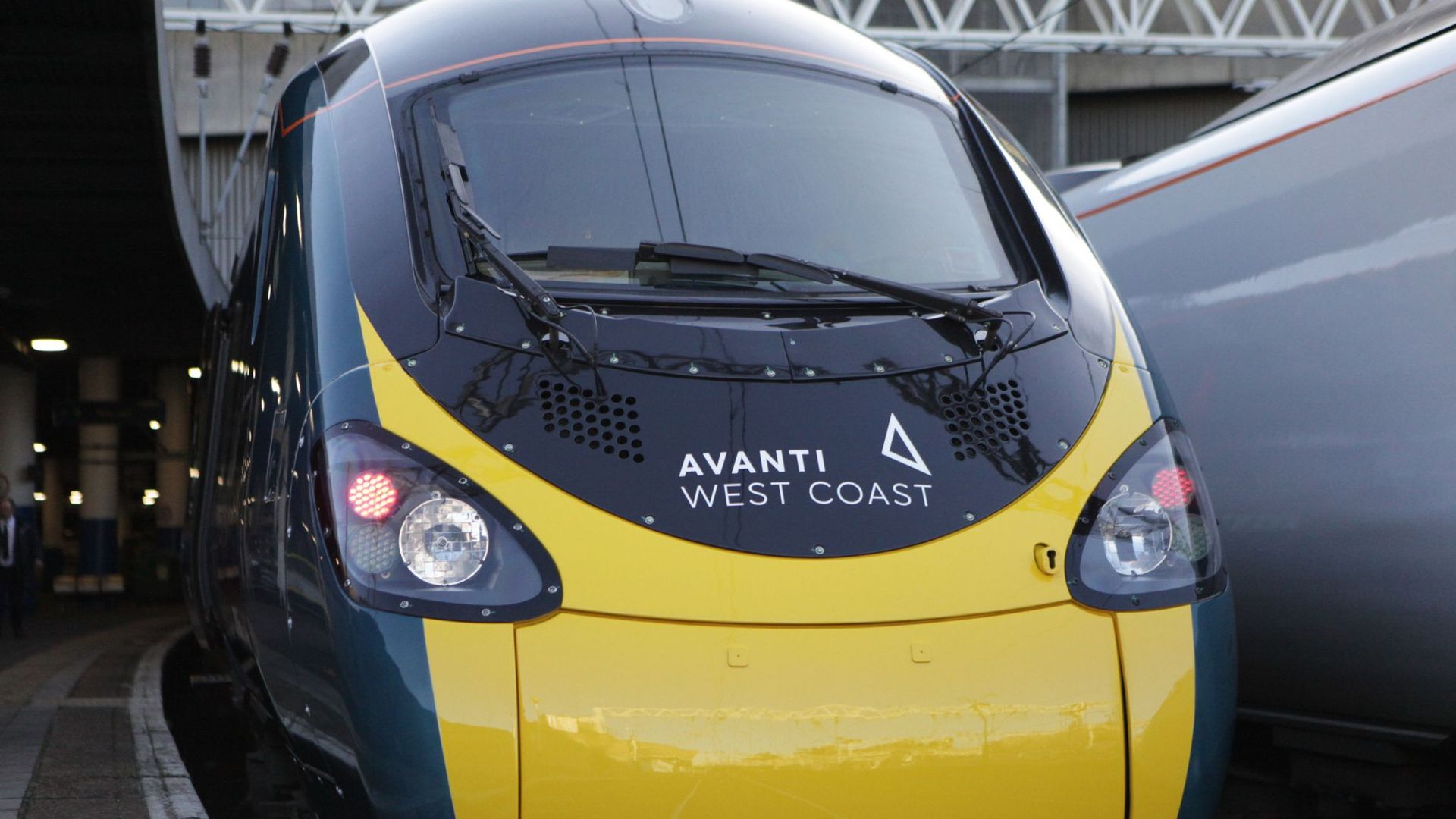
Behind that quiet resignation sits a multi-million-pound machinery of timetables, rolling stock, and private contracts. And right at the center of the storm is Avanti West Coast, a company tasked with connecting some of the nation’s biggest economic arteries—London, Manchester, Birmingham, Glasgow. When Avanti stumbles, the country stumbles with it.
Now, the political machinery is shifting gears. The proposed nationalisation of Avanti West Coast is not merely a bureaucratic reshuffling of corporate logos or a footnote in a parliamentary white paper. It is an admission of a deeper truth. The model broke. And when a system designed to move people fails to actually move them, the human cost piles up quietly in waiting rooms and on crowded platforms across the land.
Consider Sarah, a hypothetical graphic designer living just outside of Manchester. Her life is measured in intervals between platform changes. On a good Tuesday, she catches the 07:43 service, squeezes into a carriage that smells faintly of old upholstery and stale coffee, and opens her laptop before the suburbs give way to open fields. On a bad Tuesday—which, statistically, is happening with alarming frequency—she stands on the concrete for forty minutes while announcements crackle through speakers with the distorted clarity of a bad radio transmission.
When Sarah misses a pitch meeting because a train crew failed to materialize, it is not just a scheduling inconvenience. It is a fracture in her confidence. It is a silent tax on her mental health. Multiply Sarah by tens of thousands every single day, and you begin to see the invisible weight of a railway network that feels less like a public service and more like a lottery.
For years, the argument for private rail franchises rested on a seductive premise. Competition breeds efficiency. Profit drives punctuality. If you hand the keys of the national network to private operators, market forces will naturally polish the service until it gleams like a polished brass carriage handle.
Yet, theory often shatters upon contact with reality.
When passenger numbers fluctuate, when staffing models strain under the weight of historic industrial disputes, and when cancellations mount faster than apologies can be tweeted out by corporate social media accounts, the cracks widen. The private model assumed a predictable world. But the real world is messy. It involves sickness, aging infrastructure, complex labor relations, and the sheer, unpredictable friction of human existence.
Nationalisation, when spoken of in Westminster corridors, sounds dry. It sounds like ledger books, transfer of titles, and civil service committees meeting in windowless rooms. But strip away the jargon, and the core idea is remarkably simple: bringing the tracks and the trains back under public stewardship so that the primary metric of success is not shareholder return, but whether people actually arrive where they need to be, on time, with their sanity intact.
It is about alignment. If a private operator’s bottom line depends on cost-cutting measures—trimming spare drivers, paring back maintenance windows, running lean to maximize margins—the system becomes brittle. One sick driver or one minor mechanical glitch cascades into a catastrophic system-wide delay. It is like driving a race car with the absolute minimum amount of fuel required to finish the lap. It works brilliantly until you hit a slight headwind.
Public ownership does not magically manufacture new tracks or banish winter frost overnight. Steel still rusts. Signals still fail. Old rolling stock still breaks down on freezing mornings outside Rugby or Crewe. But the incentives change. The focus pivots away from the quarterly balance sheet and toward the platform crowded with tired people just trying to get home for dinner.
Talk to anyone who works on the rails—the conductors checking tickets with practiced patience, the station dispatchers standing in the wind, the engineers working overnight track maintenance while the rest of the country sleeps—and you will hear a consistent theme. They care deeply about the craft of moving people safely. They did not enter the industry to crunch spreadsheets; they entered it because there is a quiet romance to the iron road. There is poetry in a massive locomotive cutting through the night, carrying stories, families, and ambitions from one end of the island to the other.
When corporate mismanagement or systemic friction gets in the way of that craft, it hurts morale from the ground up.
Critics of nationalisation argue that state-run systems are sluggish, bloated, and trapped in amber. They point to the ghosts of British Rail past—images of sandwiches wrapped in crinkly cellophane, beige interiors, and endless delays. It is a powerful cultural meme, deeply etched into the national consciousness.
Yet, that critique ignores the reality of what we have right now. When a private franchise hands back its keys or requires emergency government bailouts because it cannot deliver a stable timetable, the illusion of pure market superiority evaporates. We are already paying for the system, whether through direct subsidies, spiraling ticket prices, or lost economic productivity. The question is never whether the state is involved. The question is how the state is involved, and whose interests take priority when the 07:43 pulls away without you.
Rebuilding trust is harder than laying track. You can pour concrete in a weekend; you can string overhead cables through a driving storm. But restoring the simple human belief that when you buy a ticket for a train, it will actually be there waiting for you—that takes time. It takes consistency. It takes a shift in institutional soul.
The journey toward a functional railway is not going to be solved by a single piece of legislation or a stroke of a minister's pen. It will require patience, investment, and an honest reckoning with decades of deferred maintenance and fractured accountability.
Evening is falling now over the station. The lights on the platform hum and flicker against the gathering dusk. Another train rolls in, its yellow nose gleaming slightly under the sodium lights. Passengers shift their weight, adjust their bags, and step forward into the warmth of the carriage.
They do not care about corporate structures or ownership models. They just want the doors to close, the wheels to turn, and the journey to begin.