The coffee in the paper cup had grown lukewarm, its surface flat and undisturbed by the tremors of the train beneath.
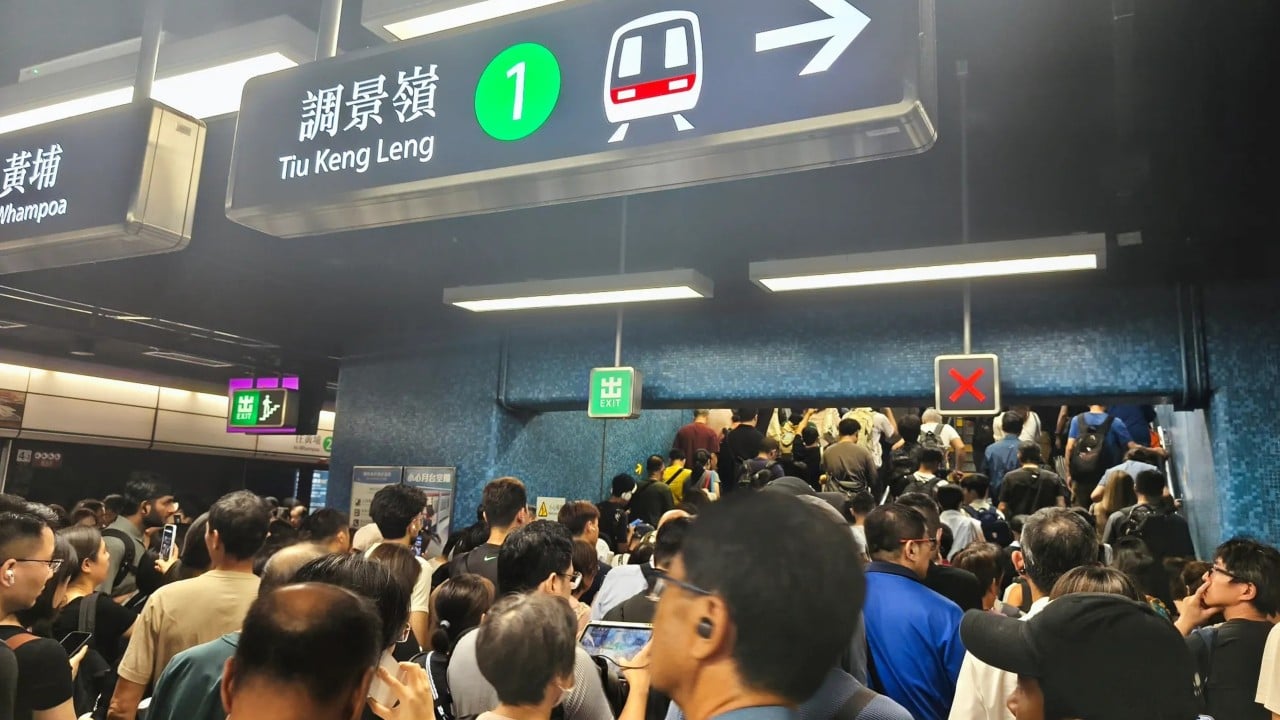
Outside the glass doors of the Admiralty station concourse, the morning rush hour was not merely moving; it was compressing. Thousands of souls—each carrying an umbrella, a briefcase, an unspoken quota of stress, and the quiet, desperate hope of reaching a desk before nine—had stopped dead. Discover more on a similar topic: this related article.
In a city that prides itself on precision, on clocks synchronizing down to the digital heartbeat of the MTR Corporation, the sudden silence was deafening. There is a specific kind of quiet that falls over a crowd of five million people when the pulse of their transit network flatlines. It is the sound of collective breath held in unison.
Consider what happens next. More analysis by Al Jazeera highlights similar views on the subject.
Beneath the asphalt and concrete, deep inside the subterranean artery linking Prince Edward to Mong Kok, a sharp, violent flash of white-hot plasma had just torn through a section of overhead electrical cables. A track fire. To a commuter reading a headline on their phone, those three words sound clinical, almost mundane. An administrative hiccup. A brief delay.
To understand what actually happened, you have to picture the physics of a modern metropolis. The Mass Transit Railway system in Hong Kong is not merely a collection of trains running on steel tracks. It is a living, breathing circulatory system carrying over four million passenger trips a day. Every single minute matters. Every single switch point is calculated to fractions of a second.
When the cables failed, the power didn't just flicker. It vanished.
Let us introduce Mei-Ling, a hypothetical data analyst whose morning commute usually takes thirty-four minutes from her flat in Sha Tin to her office in Central. On this particular morning, Mei-Ling stood on a crowded platform where the digital information boards flickered from Next Train: 2 mins to a blank, unforgiving black.
She did not know about the arcing electricity underground. She only knew the weight of her leather bag cutting into her shoulder, the humid air trapped in the concrete vault, and the realization that her phone battery was sitting at fourteen percent.
"Service adjustments are currently in progress," the automated public address system echoed, its calm, synthesized cadence jarringly out of step with the rising panic in the room.
That phrase is a masterpiece of corporate euphemism. It translates, in human terms, to chaos.
The MTR engineers down in the dark tunnels faced a nightmare scenario. Smoke, thick and acrid from burning insulation, filled the subterranean corridor between stations. While commuters upstairs debated whether to queue for crammed double-decker buses or wait out the suspension, technicians in high-visibility vests moved toward the hazard zone with portable extinguishers and heavy-duty insulated gear.
Working near an overhead catenary system carrying high voltage is an exercise in absolute discipline. One mistake is fatal.
This is where the cold statistics of the competitor's report—train delays, affected lines, alternative shuttle bus arrangements—fail to capture the reality of the crisis. Statistics do not account for the pregnant woman feeling faint in a stationary carriage with the air conditioning idling down. They do not measure the anxiety of a young man rushing to his final university examination, watching his future slip away minute by minute while trapped in a human gridlock outside a turnstile.
The city adapted, because it always does.
Hong Kongers possess an innate, almost muscle-memory resilience forged through decades of typhoons, economic shifts, and infrastructural tests. As the announcement spread that the Kwun Tong and Tsuen Wan lines were operating under severe disruptions, the street level transformed.
Queues for franchised buses stretched for city blocks, winding around street corners like silver serpents. Taxis vanished from the roads, their drivers fielding a relentless barrage of destination requests. Strangers began sharing information, pointing out operational ferry routes, and directing lost tourists toward working exits.
Yet, beneath this orderly cooperation, a deeper question lingered.
How vulnerable is a hyper-connected society to a single point of failure?
A transit system like the MTR is an engineering marvel, boasting an on-time performance rate that routinely exceeds ninety-nine percent. That very reliability, however, breeds a specific kind of fragility. When a machine runs so perfectly for so long, we forget that it is held together by copper, steel, and human hands. We forget that underneath the gleaming stainless-steel stations lies an intricate, aging web of infrastructure operating under relentless physical stress.
By mid-afternoon, the smoke had cleared. The burnt cables were spliced, tested, and certified safe. Power surged back into the grid, and the familiar melodic chimes of the station doors returned to the platform edges.
Mei-Ling finally reached her desk, hours late, her coffee long since discarded. Her computer screen blinked awake, displaying a backlog of emails and missed meetings.
She sat down, exhaled a long breath, and looked out the high-rise window toward the harbor. Down below, the red carriages of the MTR were once again gliding smoothly across the tracks, punctual and indifferent, carrying thousands of unaware passengers toward their evening destinations.
The fire was out. The network was healed. But the brief, terrifying silence it left behind remains etched into the collective memory of the city, a quiet reminder of how easily the world can stop.