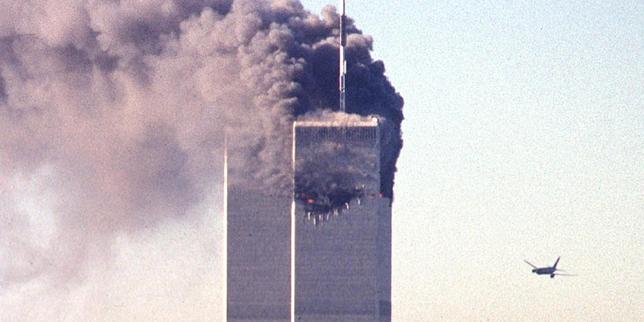
Two and a half decades after the towers fell, the ghosts of September 11 refuse to stay buried. Every major anniversary brings a fresh wave of digital revisionism, but the current climate hits differently. The ongoing war in Gaza has acted as an accelerant, throwing oxygen on dying embers. Old tropes didn't die; they just adapted to modern social algorithms.
When you look at online discourse surrounding the September 11 attacks today, you aren't just seeing distrust of institutional power. You are watching a recycling plant for century-old prejudices. The conflict in the Middle East provides a convenient emotional bridge for extremist groups looking to repackage ancient conspiracy theories into slick, shareable infographics for a new generation.
The Anatomy of Modern Conspiratorial Recycling
Conspiracy theories rarely emerge in a vacuum. They rely on established templates. Back in 2001, the immediate aftermath birthed decentralized falsehoods about foreknowledge, controlled demolitions, and hidden actors. Over time, these narratives merged seamlessly with pre-existing frameworks of ethnic scapegoating.
The mechanism is straightforward:
- Take a complex, highly traumatic geopolitical event.
- Strip away verified forensic evidence and investigative reports.
- Insert a malicious, omnipotent cabal pulling the strings behind the scenes.
- Direct public anger toward pre-selected minority groups.
Right now, the war in Gaza provides actors on the fringes with a daily news feed to validate their preconceived biases. Proponents of these narratives cross-pollinate slogans from different eras. They weld anti-Western grievances, anti-capitalist rhetoric, and classic antisemitic tropes into a single, cohesive worldview.
Why the Digital Ecosystem Amplifies the Noise
Platforms reward engagement, and nothing drives engagement quite like moral panic and secret knowledge. If you tell a user that official investigations are elaborate cover-ups, you offer them a false sense of intellectual superiority.
In 2001, rumors spread via early web forums, fringe blogs, and self-published paperbacks. Today, short-form video apps and algorithmic feeds serve this toxic content directly to teenagers who weren't even alive when the twin towers were hit. The velocity is terrifying. A single distorted claim about geopolitical manipulation can travel globally in minutes, stripping away nuance and historical context.
Researchers tracking online extremism note a distinct convergence. Far-right conspiracy networks and certain radical ideological factions often find common ground in blaming Jewish communities for orchestrating global crises, spanning from historical events like 9/11 to contemporary conflicts in the Middle East. It is a lazy intellectual shortcut that explains complex human suffering through the lens of pure malice rather than geopolitical failure.
Combating Historical Revisionism
Facts matter, but fact-checking alone rarely cures deep-seated ideological bias. When people adopt conspiracy theories, they are usually buying into a comprehensive identity, not just a set of data points. Dismantling these falsehoods requires attacking the underlying narrative structure rather than playing an endless game of whack-a-mole with individual online posts.
Educators and digital literacy advocates face an uphill battle. To break the cycle, you have to teach people to spot the structural architecture of prejudice before they hit the share button. Recognize the manipulative patterns, question the source motives, and refuse to let historical tragedies be weaponized for modern bigotry.
Stop engaging with viral rage-bait on social feeds. Verify claims through primary historical documents and independent investigative journalism instead of trusting anonymous accounts with an agenda.
Antisémitisme : la guerre Israël-Hamas importée ?
This video explores how geopolitical tensions in the Middle East have influenced and amplified antisemitic rhetoric and conspiracy narratives in Western societies.
http://googleusercontent.com/youtube_content/1


