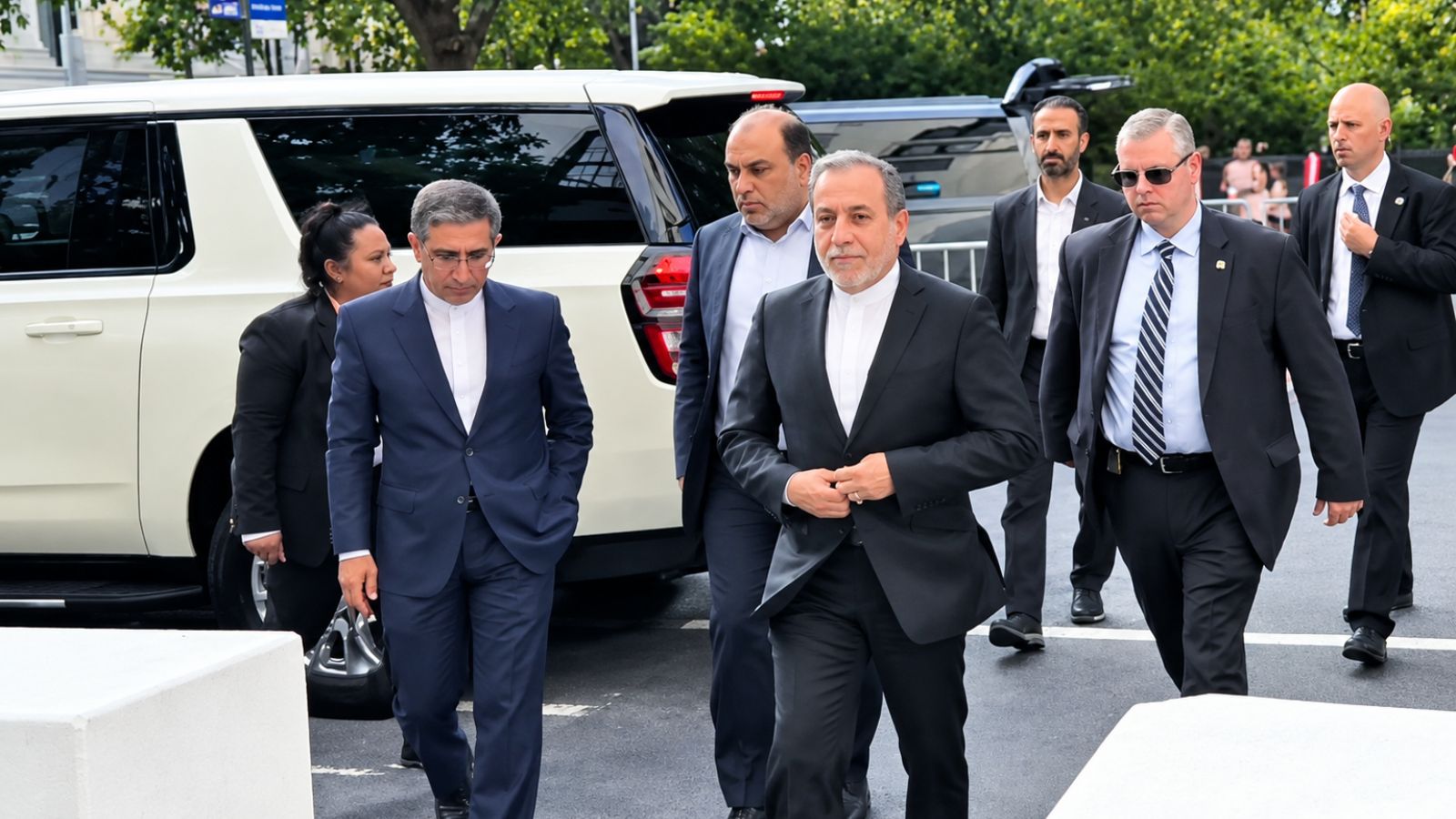
When Iranian Foreign Minister Abbas Araghchi touched down at John F. Kennedy International Airport, it wasn't just another routine diplomatic entry. This trip marked his first visit to the United States since the severe escalation of the West Asia conflict. Stepping into New York for the United Nations General Assembly put Tehran's top diplomat right at the center of high-stakes international friction, where hallway conversations often carry more weight than formal podium speeches.
People often misunderstand these UN summits as mere talking shops where politicians trade polite barbs. In reality, they serve as pressurized chambers for shadow diplomacy. With regional flashpoints burning hot and indirect lines between Washington and Tehran strained to a breaking point, Araghchi's presence gave diplomats a rare window to test the waters face-to-face.
Navigating a Fractured Diplomatic Landscape
The backdrop to this visit is defined by months of fractured negotiations, tense regional alignments, and deep mutual distrust. Araghchi didn't just come to deliver a speech; he came to manage optics and rally regional partners. Over the past year, Iranian foreign policy has leaned heavily into damage control and proactive outreach, balancing threats of retaliation with quiet shuttle diplomacy through intermediaries like Oman and Pakistan.
When you look at what Tehran wants out of these high-level sessions, it boils down to two things: breaking international isolation and shifting the narrative away from pure confrontation. Araghchi spent his time in New York pushing back against Western pressure, highlighting the humanitarian and economic toll of sanctions, and trying to secure diplomatic breathing room.
Why This Visit Changes the Calculus
Critics often dismiss these visits as theatre, but ignoring the physical presence of key players misses how modern statecraft works. By showing up in New York despite intense hostility, Iran signaled that it refuses to be boxed out of multilateral forums. It forces adversaries to acknowledge Tehran's positions directly, even if public stances remain hardened.
The real test won't be what happened inside the UN General Hall. It will be whether these brief diplomatic brushes reduce miscalculations on the ground in West Asia. Watch how regional channels develop in the coming months; that's where you'll see the actual fallout from Araghchi's New York trip.


