Imagine spending months of your own savings, calling in favors from local volunteers, and manually hauling out water-logged drywall just to make your flood-damaged home livable again. Now imagine that two years later, after you have successfully rebuilt your life and moved back in, a federal agency steps in to buy that exact house—not to improve it, but to bulldoze it to the ground.
It sounds like a bureaucratic nightmare, but it is happening right now in Western North Carolina.
Following the catastrophic devastation of Hurricane Helene, communities across the region faced an agonizing crossroads. While many residents waited endlessly for federal assistance that crawled through administrative red tape, hundreds of homeowners took matters into their own hands. They patched roofs, replaced ruined floors, and restored their neighborhoods using out-of-pocket cash and grassroots muscle.
Yet, long-term federal recovery wheels turn slowly. Years after the storm waters receded, hazard mitigation buyout programs authorized by agencies like FEMA are finally clearing funding blocks. The result? Fully repaired, perfectly habitable houses where families have lived for months are now slated for demolition.
Why FEMA Buys and Bulldozes Fixed Houses
The disconnect between individual recovery and federal policy frustrates many local residents. To understand why the government is purchasing homes that no longer look damaged, you have to look at the core objective of hazard mitigation grants. These programs don't evaluate whether a house is currently standing or livable; they evaluate long-term risk.
Under the Hazard Mitigation Grant Program—administered via state agencies with federal funding—properties located squarely within vulnerable floodplains are targeted for voluntary acquisition. The logic is cold and statistical. Even if a homeowner spends $50,000 fixing a house, the geography hasn't changed. When the next major storm hits, that property remains a high-risk hazard.
Once a homeowner accepts a buyout offer, the rules of the program kick in rigidly:
- The structure must be completely demolished.
- The land must be placed under a permanent deed restriction.
- The property must be converted into open green space to absorb future floodwaters.
The goal is preventing future tragedies, but the timing creates a jarring paradox for neighborhoods that refused to sit around waiting for help.
The Human Toll of Bureaucratic Lag
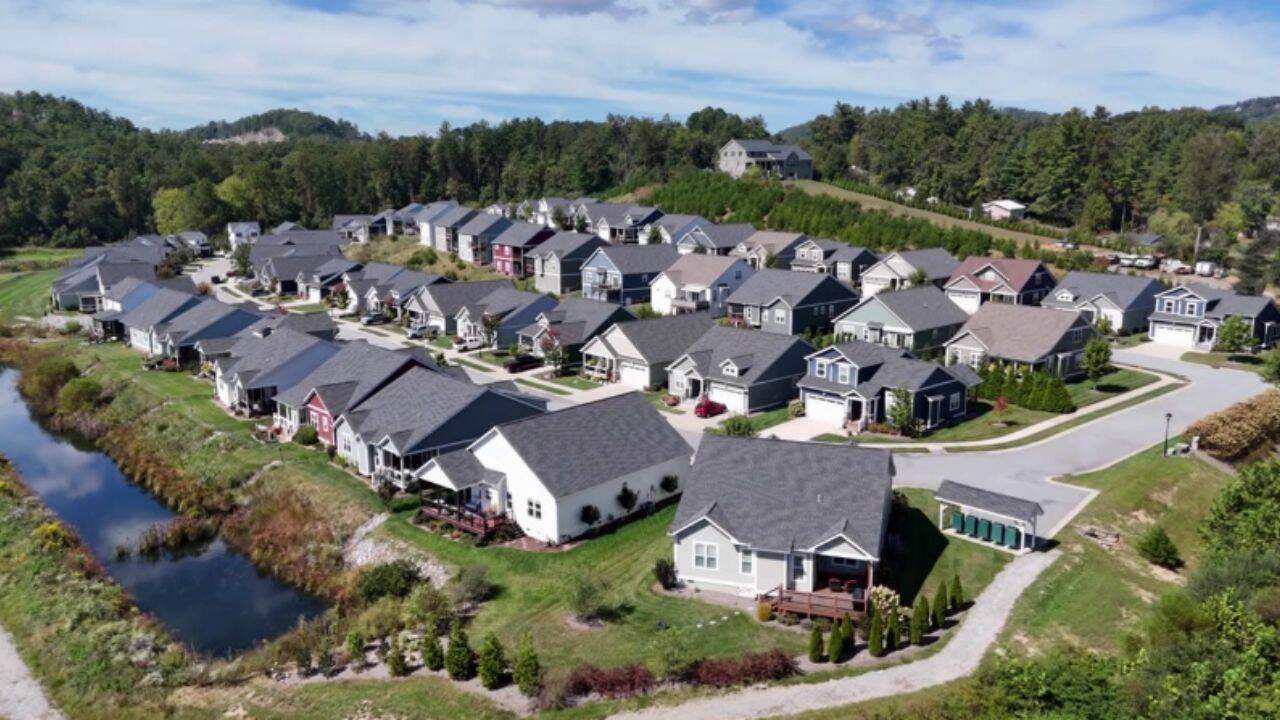
In places like Henderson County’s Cypress Run and other hard-hit pockets, neighbors banded together to fix their streets. They didn't want their communities to turn into ghost towns. By the time buyout checks finally cleared the pipeline, many residents found themselves facing a deeply emotional dilemma.
Take homeowners who spent a year and a half living comfortably back in their restored properties. They applied for hazard mitigation grants early in the disaster lifecycle, expecting the funds to support home raising or structural hardening. Instead, the process dragged on for years until the buyout approval finally arrived.
Accepting the buyout means getting pre-disaster appraised value without real estate commissions, which sounds like a fair financial exit strategy. But walking away from a home you poured sweat equity into just as normalcy returned feels like a second eviction. Some residents take the buyout because the psychological shadow of Helene makes staying unbearable. Others feel trapped by a rigid federal framework that offers only one solution for high-risk zones: total erasure.
Moving Forward Without Losing Community Fabric
Local officials and grassroots groups are left managing the fallout of these conflicting recovery timelines. While securing millions in federal dollars is critical for regional safety, turning populated, recovering neighborhoods into empty grass lots reshapes the very identity of mountain towns.
When houses are torn down, the local housing stock shrinks in regions already desperate for affordable places to live. Communities must weigh the undeniable necessity of flood mitigation against the immediate pain of losing functioning homes.
If you or someone you know is navigating property buyouts in a disaster zone, pay close attention to the fine print of hazard mitigation contracts before committing. Understand that federal acquisition is a permanent goodbye to the property. True recovery requires balancing large-scale risk reduction with respect for the grassroots resilience that keeps neighborhoods alive long before the checks finally arrive.