The fluorescent lights of the corporate conference room hummed with a sterile, soul-crushing persistence. It was 2:00 AM. On the glass whiteboard, a chaotic web of arrows, metrics, and revenue targets clawed at the margins. At the center of the room stood Arthur, the department head, his tie loosened, his eyes bloodshot. He was a brilliant strategist, a man who could forecast market shifts three quarters in advance with terrifying accuracy. He was, by all conventional definitions, a genius.
Yet, his team was completely broken. Don't forget to check out our earlier coverage on this related article.
Arthur had spent the last six months working eighty-hour weeks, single-handedly dragging a failing product launch across the finish line. He wrote the core code. He negotiated the vendor contracts. He stayed up late fixing the bugs his junior developers missed. He did great things. If you looked at his individual output, it was nothing short of heroic. But look past his glowing performance review, and you would see a department hollowed out by resentment, quiet quitting, and profound exhaustion. His team felt like cogs in a machine they didn't care about, serving a vision they didn't own.
Arthur had fallen into the oldest trap in leadership. He believed that being a leader meant being the strongest, smartest person in the room. To read more about the history of this, Business Insider provides an informative breakdown.
We have been conditioned to view leadership as a solo exhibition. Our history books and business magazines feed us the myth of the solitary titan—the visionary CEO, the flawless general, the untouchable innovator who transforms the world through sheer force of will. We look at the monument, but we completely ignore the thousands of hands that carved the stone.
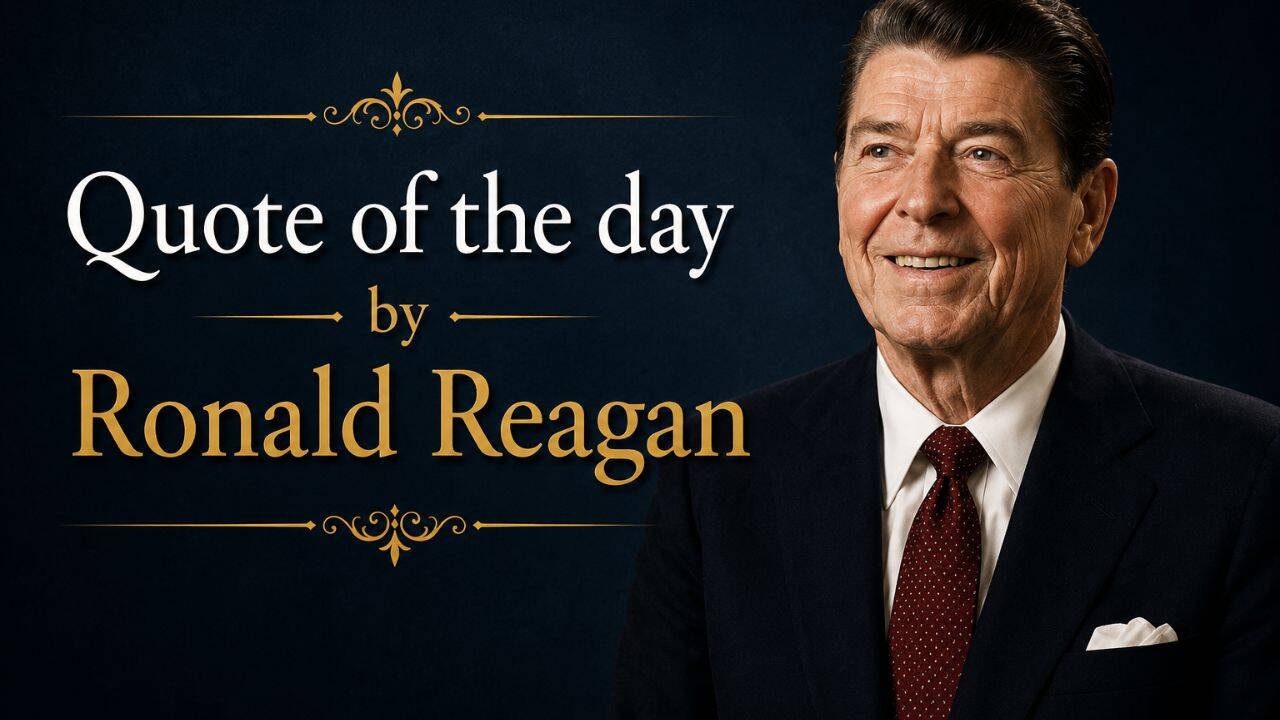
True leadership operates on a completely different frequency. It is not about your personal capacity to achieve; it is about your unique ability to expand the capacity of everyone around you. When Ronald Reagan noted that the greatest leader is not necessarily the one who does the greatest things, but the one who gets the people to do them, he wasn't offering a neat piece of political rhetoric. He was identifying a fundamental law of human dynamics.
To understand how this works in the wild, consider a hypothetical scenario involving two project managers: Sarah and Marcus.
Sarah is an absolute powerhouse. When her team faces a complex problem, she immediately takes the reins. She diagnoses the issue, maps out the exact steps to fix it, and hands her team a paint-by-numbers blueprint. The project succeeds. Sarah gets the credit. But her team learns nothing except how to wait for Sarah’s instructions. They remain stagnant, dependent, and fundamentally uninspired.
Now look at Marcus. When his team encounters a roadblock, Marcus does something agonizingly difficult for a driven professional: he holds his tongue. Instead of providing the answer, he asks questions. He forces his team to sit with the discomfort of the problem. He gives them the autonomy to fail safely, and the resources to figure it out.
The first time Marcus does this, the output is messy. It takes longer. It requires a level of patience that makes traditional managers wince. But by the third project, something extraordinary happens. Marcus’s team isn't just executing tasks; they are inventing solutions. They are staying late not because they are terrified of missing a deadline, but because they are fiercely obsessed with the quality of what they are creating. Marcus didn't build a monument to his own intellect. He built an engine of collective human potential.
The shift from a "doing" leader to a "multiplying" leader requires a painful, psychological ego-death.
When you are the doer, your dopamine hits come from personal accomplishment. You checked the box. You solved the crisis. You won the award. It feels incredible. But that gratification is an addiction that ultimately starves your organization. When you shift toward true leadership, you must find your fulfillment in the reflected glory of others. Your success is no longer measured by what your hands can produce, but by how brightly the people around you are shining.
This is incredibly terrifying. It means stepping back into the shadows. It means allowing someone else to take the microphone, to present the pitch, to receive the applause. It means accepting that they might do it differently than you would—and that their way might actually be better.
Think about the most influential figure in your own life. It probably wasn't the boss who screamed the loudest or the mentor who showed off their own resume. It was almost certainly the person who looked at you, saw a spark of capability you hadn't yet recognized in yourself, and gave you the space, the trust, and the high expectations needed to fan that spark into a flame. They didn't drag you up the mountain; they made you realize you had the strength to climb it yourself.
Back in that stifling conference room, Arthur eventually hit a wall. He couldn't outwork the systemic drag of a demoralized team. The product launched, but the subsequent maintenance phase crumbled because no one else knew how the machine worked, nor did they care to learn. Arthur was forced to step back, not by choice, but by burnout.
It was during that forced sabbatical that he realized his heroism was actually a form of hoarding. By doing everything, he was stealing the opportunity for growth from the very people he was supposed to be guiding.
When he returned, he made a radical change. He stopped answering questions. He started asking them. He stopped tracking hours and started tracking ownership. The transformation wasn't instant, and it certainly wasn't seamless, but the trajectory of the department shifted entirely.
The true metric of your impact is never found in your personal portfolio. It is etched into the confidence, the capability, and the autonomy of the people who carry your vision forward long after you have left the room.
The whiteboard in Arthur's office is clean now. He spends most of his days sitting quietly at the back of the room, watching his junior managers debate strategy, challenge assumptions, and build things he never could have designed on his own. He is no longer the hero of the story. He is something infinitely more powerful. He is the reason the story is happening at all.