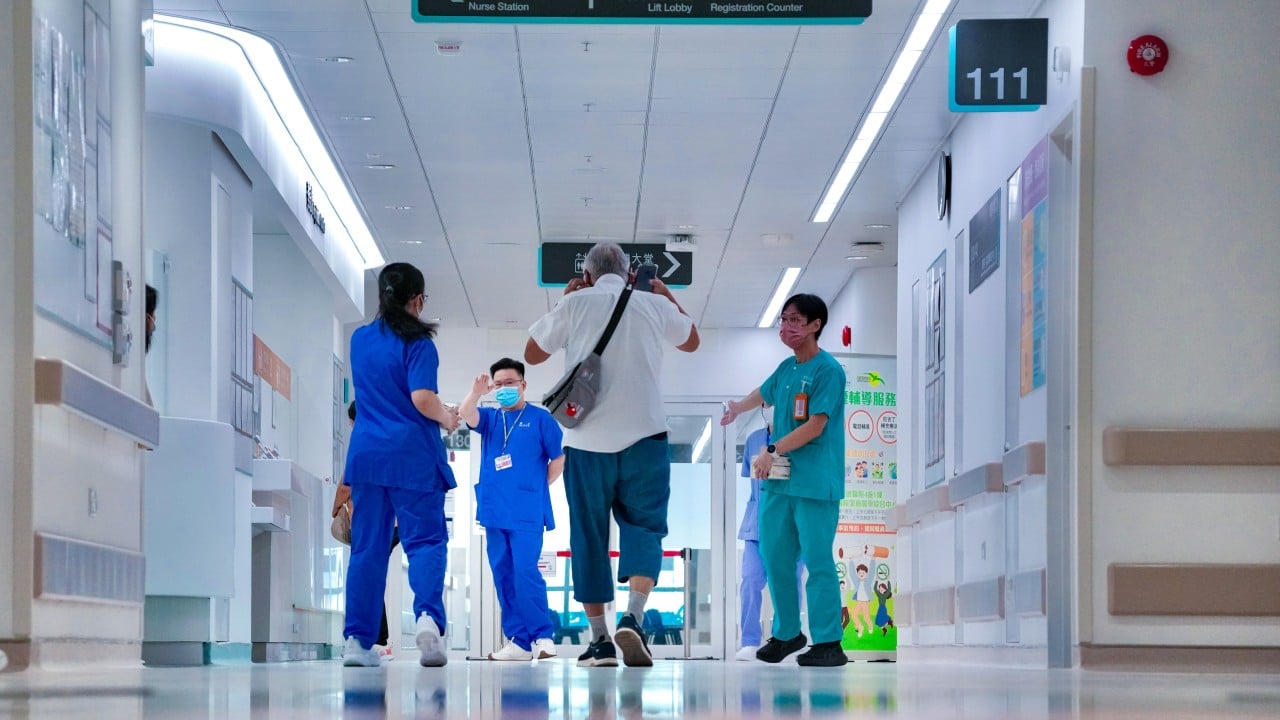
Managing advanced cancer shouldn't mean spending your final months in a sterile hospital corridor waiting for a symptom check. Most traditional medical structures fail patients when they need stability the most. You get discharged, a new side effect hits on a Tuesday night, panic sets in, and you end up in the emergency department. It is exhausting, inefficient, and often completely avoidable.
Digital health tools designed specifically for advanced cancer symptom monitoring are changing this dynamic entirely. Instead of guessing whether a sudden fever or escalating pain warrants an urgent care visit, patients use specialized mobile applications to log daily symptoms directly from their living rooms. These platforms connect straight to oncology nursing teams. When numbers spike or pain scores climb, the care team intervenes before a crisis happens.
Keeping advanced cancer patients out of the hospital isn't just about saving money on bed space. It is about preserving autonomy, dignity, and precious time.
The High Cost of the Emergency Room Routine
Let's be honest about standard oncology care. When you deal with stage four disease, your body behaves unpredictably. Chemotherapy regimens bring nausea, immunotherapy causes inflammation flare-ups, and fatigue hits like a physical weight.
When symptoms escalate after hours, the default response from the medical establishment is the emergency department. That means long hours on plastic chairs, exposure to hospital pathogens, and rushed triage evaluations by doctors who don't know your specific case history. For someone with advanced disease, an ER visit strips away comfort and exhausts physical reserves.
Clinicians know this routine is broken. Research consistently shows that a large percentage of hospital readmissions for cancer patients stem from manageable side effects like dehydration, breakthrough pain, or mild infections that could have been handled outpatient.
Smart remote monitoring changes the timeline. By catching a low-grade fever or rising pain score early, a nurse can call in a prescription for anti-nausea medication or adjust pain management protocols immediately. You stay home. You stay comfortable.
How Symptom Tracking Apps Actually Work
Effective digital health interventions don't rely on complicated gadgets. They use straightforward interfaces that even an exhausted patient or an overwhelmed caregiver can navigate in under two minutes.
Every morning, the app prompts you to answer a few targeted questions based on validated oncology metrics. How is your pain on a scale of one to ten? Are you experiencing dizziness? Have you kept fluids down today?
Behind the screen, algorithms and nurse triage workflows monitor the data feeds. If your inputs fall into a safe zone, the app logs the trend and provides reassuring self-care tips. If your scores cross a threshold into moderate or severe risk, the system flags the file. An oncology nurse reaches out via phone or secure message within minutes.
This proactive loop replaces reactive panic with steady oversight. You stop wondering if your symptoms are "bad enough" to bother someone. The system decides that for you, based on clinical parameters set by your actual care team.
Restoring Control When Your Body Feels Unpredictable
Living with advanced cancer means coping with a profound loss of control. Your schedule revolves around scans, infusions, and lab draws. The disease dictates your days.
Using a dedicated health tracking app shifts some of that power back to you. Logging your daily reality acknowledges that your lived experience matters. It creates a concrete record of your physical status that you can bring to consultations, eliminating the guesswork of trying to remember how you felt three weeks ago on a Tuesday afternoon.
Caregivers feel the relief just as acutely. Spouses and adult children often carry an unbearable psychological burden, constantly scanning the room to see if their loved one is in pain or declining. Having a direct digital link to professional guidance eases that vigilance. They aren't flying blind anymore.
Overcoming the Barriers to Digital Health Adoption
Technology in medicine faces a massive hurdle: usability. If an app crashes, requires endless password resets, or features confusing menus, sick people will abandon it immediately.
Successful deployment requires designing for vulnerability. Text sizes must be large. Button taps must be forgiving. Notifications should be gentle rather than demanding. More importantly, hospitals implementing these tools must staff them properly. An app is useless if automated alerts sit in an unmonitored inbox over the weekend.
When health systems invest in the human infrastructure behind the software—dedicated nurse navigators who review logs and respond swiftly—patient outcomes improve dramatically. Fewer hospital admissions happen. Quality of life metrics rise. Patients spend less time answering intake forms in waiting rooms and more time living their lives.
Advanced cancer care needs to meet people where they are. By bridging the gap between home and the clinic through smart, compassionate digital tools, we can finally stop treating hospitals as the default destination for distress and start prioritizing true peace of mind.