When geopolitical tensions flare up in the Middle East, standard market predictions usually forecast immediate panic across emerging regions. Yet, recent disruptions affecting vital trade corridors and energy supplies have met a surprisingly steady response across several African markets. Instead of the widespread systemic collapse many analysts feared, multiple national economies have held their ground.
You have to look past broad generalizations to understand why. The continent isn't moving as a single bloc. While certain nations remain deeply exposed to imported fuel shocks and soaring fertilizer costs, others have spent the last few years quietly hardening their domestic frameworks. Let's break down why parts of Africa are riding out these external storms with unexpected endurance, and where the real vulnerabilities still hide.
The Post-Pandemic Adaptation Effect
Memory plays a massive role in economic survival. Governments and central banks across the continent haven't had a moment to breathe over the last half-decade. They bounced straight from the global health crisis into the inflationary fallout of the conflict in Ukraine.
Those successive shocks forced a hard reset. Countries like Kenya and Nigeria entered the current Middle Eastern turmoil with stronger external buffers than they had during previous crises. Kenya's foreign exchange reserves stabilized to cover several months of critical imports, while macroeconomic policy coordination improved. Nigeria leaned into tough, unpopular fiscal choices—such as scaling back heavy fuel subsidies—that freed up vital breathing room in state budgets
Why African Economies Are Shaking Off Middle East Shockwaves
business
Geopolitical shocks usually hit emerging markets the hardest. When trade routes tighten or energy prices spike in the Middle East, the standard playbook says developing regions should brace for immediate trouble. Yet across the African continent, a different story is playing out right now. Economic resilience is taking center stage, surprising analysts who expected widespread vulnerability.
If you look closely at how major markets on the continent are handling recent global friction, you'll see a shift. It's not just about surviving external turbulence anymore. It's about structural adaptation. Nations that once relied entirely on single-commodity exports or external aid are building shock absorbers.
Let's break down why African economies are holding their ground against Middle East supply shocks, and what it means for the broader global financial outlook.
The Energy Matrix Paradox
Energy dynamics tell part of the story. When Middle Eastern supply lines face disruption, global oil and gas markets react instantly. For net importers on the continent, higher fuel costs sting. Inflation ticks up. Transport gets expensive.
That is the surface-level reading. Dig deeper, and you find a massive push toward energy diversification. Countries heavily investing in domestic renewable infrastructure aren't feeling the pinch the same way they did ten years ago. Solar and geothermal projects are moving past the pilot phase into utility-scale operations.
At the same time, major resource producers are capitalizing on shifting trade routes. When traditional suppliers scramble to reroute shipments, domestic producers step in to fill regional gaps. Intra-African trade frameworks under the African Continental Free Trade Area agreement are providing a crucial buffer. Producers can pivot toward internal markets instead of staying shackled to volatile external buyers.
Fiscal Discipline and Monetary Lessons
Central bankers across the continent have learned hard lessons from past global crises. In places like Kenya, Nigeria, and South Africa, monetary authorities aren't waiting for foreign reserves to drain before acting. They are tightening early, managing exchange rates aggressively, and rebuilding foreign exchange buffers.
Debt management has also grown sharper. While sovereign debt remains a pressing challenge for several nations, financial ministries are diversifying their borrowing sources. They are leaning into domestic bond markets and tapping multilateral institutions with structured stabilization packages rather than relying purely on volatile international capital markets.
Investors notice this shift. Capital isn't fleeing at the first sign of geopolitical smoke. Instead, portfolios are rebalancing. Smart money understands that underlying growth rates in consumer markets, tech hubs, and infrastructure sectors outweigh short-term external noise.
The Quiet Expansion of Local Supply Chains
Supply chain localization sounds like corporate buzzword jargon, but on the ground, it is a survival mechanism. Import substitution isn't just a government policy anymore. It's a grassroots economic necessity.
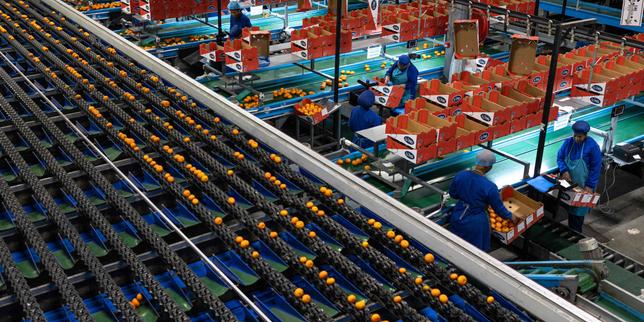
When international shipping lanes get congested or expensive, local manufacturers scale up production to meet domestic demand. Food security initiatives, grain storage investments, and regional agricultural trade networks are blunting the impact of imported inflation.
Take East Africa's agricultural corridor. Increased regional output means less reliance on imported staples from volatile regions. When global grain flows face bottlenecks, local and regional supply chains absorb the shock. It's messy, it's uneven, and it faces infrastructure hurdles daily, but it works better than it did a decade ago.
Translating Resilience Into Strategy
If you're managing investments, running a multinational venture, or analyzing macroeconomic trends, stop treating the continent as a monolith. Treating every country as equally vulnerable to Middle East shocks is lazy analysis.
Look at the structural indicators that actually matter. Check domestic credit growth, regional trade volumes, and the pace of local energy independence. The markets weathering global turbulence best are those aggressively cutting red tape for cross-border commerce and backing local entrepreneurs over foreign bailout reliance.
Keep your focus on structural adaptation. That is where real long-term value lives.