Justice Shaina Leonard just threw a massive wrench into the gears of the Alberta separation movement. If you’ve been following the headlines, you know the group Stay Free Alberta has been pounding the pavement, claiming they’ve already secured enough signatures to force a province-wide referendum on quitting Canada. They were ready to hand those papers over and watch the dominoes fall.
The courts have other plans.
On Friday, April 10, 2026, the Court of King’s Bench issued a month-long stay on the entire validation process. This isn’t a permanent shutdown, but it’s a serious blow to the momentum the "Wexit" crowd thought they had. Essentially, the judge told Elections Alberta to keep its hands off the petition until the court decides if the whole process is even legal.
The First Nations roadblock you didn't see coming
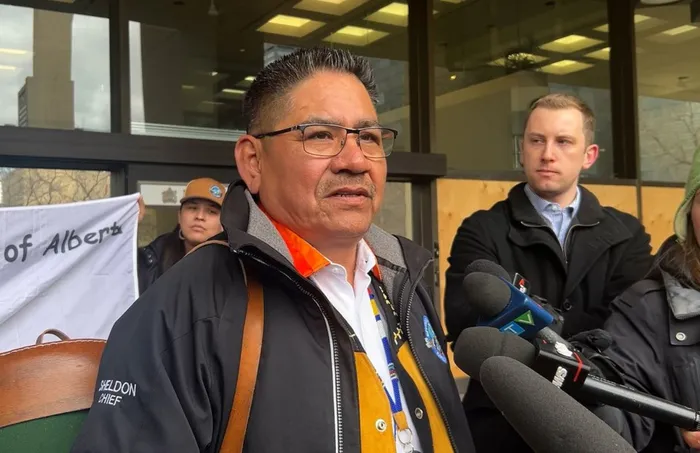
While the political pundits were busy arguing about transfer payments and oil royalties, a coalition of First Nations was preparing a legal blitz. The Athabasca Chipewyan First Nation (ACFN) and the Blackfoot Confederacy, supported by the Sturgeon Lake Cree Nation, aren't just annoyed—they’re claiming this entire referendum push is a flat-out violation of their treaties.
Think about it. Treaties were signed with the Crown. If Alberta leaves Canada, those treaties don't just magically transfer to some new "Republic of Alberta." The First Nations argue that the provincial government has a "duty to consult" before even entertaining the idea of blowing up the country.
The judge agreed that the harm here is "irreparable." If the petition moves forward and a referendum is triggered without Indigenous consultation, you can't just hit the "undo" button later. The damage to the treaty relationship would already be done. This is why the court stepped in. It’s a classic case of checking the provincial government's homework before they’re allowed to hand it in.
Breaking down the month long pause
Let’s be clear about what this ruling actually does and doesn't do. The news cycle moves fast, and it’s easy to get the details mixed up.
- Signature collection continues: The court didn't tell Stay Free Alberta to stop canvassing. They can still hit the streets and collect names until the May 2, 2026 deadline.
- Verification is frozen: Elections Alberta is legally barred from verifying those signatures. They can’t count them, they can't cross-reference them, and they certainly can’t certify them.
- The referral is blocked: Usually, once a petition is verified, it goes to Justice Minister Mickey Amery. That path is now blocked by a judicial "Do Not Enter" sign.
The Alberta government tried to argue that they don't need to consult anyone until they actually decide to act on a referendum result. Justice Leonard didn't buy it. She ruled that there are "numerous, serious issues" that need to be analyzed first. It’s a low bar for a stay, but it’s a high hurdle for the Premier’s office.
Why the Citizens Initiative Act is on the chopping block
The legal fight isn't just about separation; it's about the Citizens’ Initiative Act itself. This is the law that allows regular Albertans to force a vote on a policy or piece of legislation if they get enough signatures.
The First Nations groups are challenging the constitutionality of this Act. They argue that it bypasses the constitutional protections promised to Indigenous peoples. Sturgeon Lake Cree Nation is even fighting to block the removal of a section of the Act that originally required all petitions to comply with the Canadian Constitution.
If the court finds that the Act was tweaked specifically to allow for unconstitutional referendum questions, the whole foundation of the separation movement’s strategy could crumble.
What this means for the average Albertan
If you’re sitting at home wondering if you’re about to need a passport to visit Saskatchewan, take a breath. This legal pause means the "May surprise" the separatists were hoping for is likely delayed until June at the earliest.
Premier Danielle Smith has been walking a tightrope on this. She’s promised to put the issue on the ballot if the petition is verified, but her lawyers are currently in court trying to keep the process alive without having to sit down at the table with First Nations leaders. It’s a messy political game, and the courts just called a timeout.
Your next steps in the loop
The next thirty days are going to be a flurry of legal filings and backroom political maneuvering. Here is what you should watch for:
- The May 2nd Deadline: Watch to see if Stay Free Alberta makes a public show of submitting their signatures, even if Elections Alberta can’t touch them.
- The Final Ruling: Justice Leonard is expected to deliver a definitive decision in early May. This will determine if the petition process dies right there or if it moves to the next stage of political chaos.
- Indigenous Consultation: Keep an ear out for whether the provincial government starts making overtures to First Nations leaders to try and settle this out of court.
Don't expect the separatists to go quiet. They’ve already started calling the ruling "judicial activism." But in the world of Canadian law, treaties aren't just suggestions—they’re the highest law of the land.