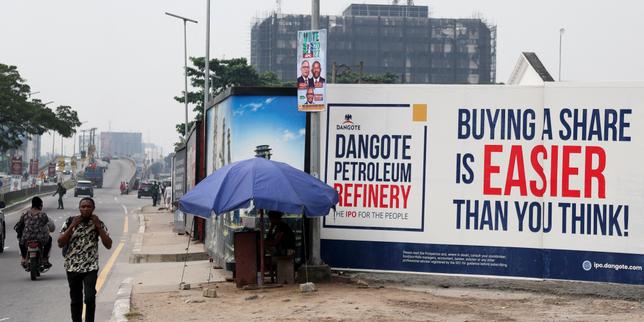
For decades, ordinary Nigerians watched fuel queues stretch down Lagos highways while massive industrial wealth stayed locked behind corporate and institutional walls. Now Aliko Dangote wants everyday people holding a piece of the action. His Lagos refinery IPO isn't just another mega-listing on the Nigerian Exchange. It's a deliberate push to turn a flagship industrial asset into a mass-market stock story, backed by massive appetite and some very real tension over who actually gets the shares.
When the public offer opened at ₦525 per share—with a small minimum entry starting at just 10 shares, or ₦5,250—the pitch was unmistakable. Dangote set out to bring retail buyers into an energy giant valued around $50 billion, aiming for a monumental retail wave across Nigeria and the wider continent. Even before the dust settled after the October 27 close, the numbers turned heads. Roughly 3.7 million to 3.8 million individual applicants stepped up, alongside bids totaling trillions of naira and billions of dollars.
Why a Mass-Market Lagos Refinery IPO Matters Right Now
Honestly, African stock exchanges have a retail participation problem. Most headline offerings are dominated by banks, pension funds, and foreign institutions, leaving everyday households on the sidelines. Making the Lagos refinery IPO an accessible public play changes the optics overnight. People who deal with fuel costs, logistics expenses, and currency swings every single week suddenly see a tangible asset they can own rather than just pay at the pump.
There's also a practical business reason behind opening the doors wide. Dangote Petroleum Refinery and Petrochemicals isn't sitting still; it's chasing a major expansion plan designed to push refining capacity toward 1.4 million barrels per day over the coming years, requiring billions in capital. Revenue momentum has been huge—with nine-month 2026 revenue reported at $22.48 billion, up more than 144% year-on-year—giving buyers a real operating business with hard numbers behind the hype.
Still, let's be clear about what a "people's IPO" actually gives you. Even with strong retail interest and plans to expand the offer size above the initial base target following heavy oversubscription, the public float represents a relatively small slice of the total company. Aliko Dangote stays firmly in the driver's seat with controlling ownership. So if you're buying shares, you're buying economic exposure to refining cash flows and industrial growth—not boardroom control.
The Numbers Behind the Hype and the Bottlenecks
Big headlines often blur the finer details, and that's where smart investors need to slow down. Having nearly 3.8 million individual participants is a massive jump from Nigeria's historically thin retail base—a huge milestone for capital market inclusion. Yet it still sits below Dangote's aspirational target of 10 million retail investors. That gap tells you something important: excitement was high, but friction, awareness, and account readiness still kept millions out.
Another detail worth watching is how the allocation gets sliced. When total bids run multiple times past the base offer—with reports pointing to demand exceeding ₦5.8 trillion against the initial base offer of 4.1 billion shares at ₦525 each—large institutional tickets naturally pull average order sizes upward. Meanwhile, Nigeria's Securities and Exchange Commission has been scrutinizing the basis of allotment to make sure small retail applicants aren't squeezed out by heavyweights.
Retail Dreams vs Institutional Reality
A common mistake retail first-timers make during a hot IPO is assuming "oversubscribed" means guaranteed wealth on day one. Oversubscription simply means demand exceeded supply at the offer price. Depending on the final allotment rules, small investors might get full allocations on modest tickets, partial allocations on larger requests, or refunds for excess cash tied up during processing.
Then comes the listing itself on the Nigerian Exchange. Once trading starts after regulatory sign-off and share crediting, market price discovery takes over. Energy and refining stocks aren't straight lines up. Crude oil spreads, refining margins, FX movements, operational uptime, and broader market liquidity all shape how the stock trades once the initial IPO excitement cools.
What Smart Investors Often Miss Before Buying In
I've watched plenty of retail waves hit emerging markets over the years, and the pattern is pretty consistent. People hear a famous founder's name, see a low entry ticket, and rush in without checking basic mechanics—or worse, they fall for fake brokers promising "guaranteed late allocations" after the window has already shut.
Watch out for three traps in particular:
- Chasing unofficial promises: Once a public offer closes, nobody legitimate is handing out secret backdoor IPO shares at a discount. Stick strictly to official registrar updates, licensed stockbrokers, and verified exchange notices.
- Ignoring account mismatches: Delays or headaches happen fast when your Bank Verification Number (BVN), Clearing House Number (CHN), and bank account details don't line up cleanly for Central Securities Clearing System (CSCS) crediting.
- Treating one stock like a savings account: Even a giant industrial refinery carries concentration risk. Putting every spare naira into a single energy stock—no matter how famous the plant—leaves your portfolio exposed to sector swings.
How to Approach the Listing Practically
If you applied for shares, focus on verification rather than guesswork. Check status updates through the bank, broker, or platform you used, confirm your CSCS account details match your records, and plan for refunds of any unallotted funds to return to your account once allotment clears.
If you missed the IPO window or want to wait for secondary market trading, you don't need to panic. Once shares officially list on the Nigerian Exchange, anyone with a proper brokerage setup can evaluate the stock on its own merits—looking at valuation, refinery throughput, expansion progress, and how it fits alongside the rest of your holdings rather than buying on FOMO alone.