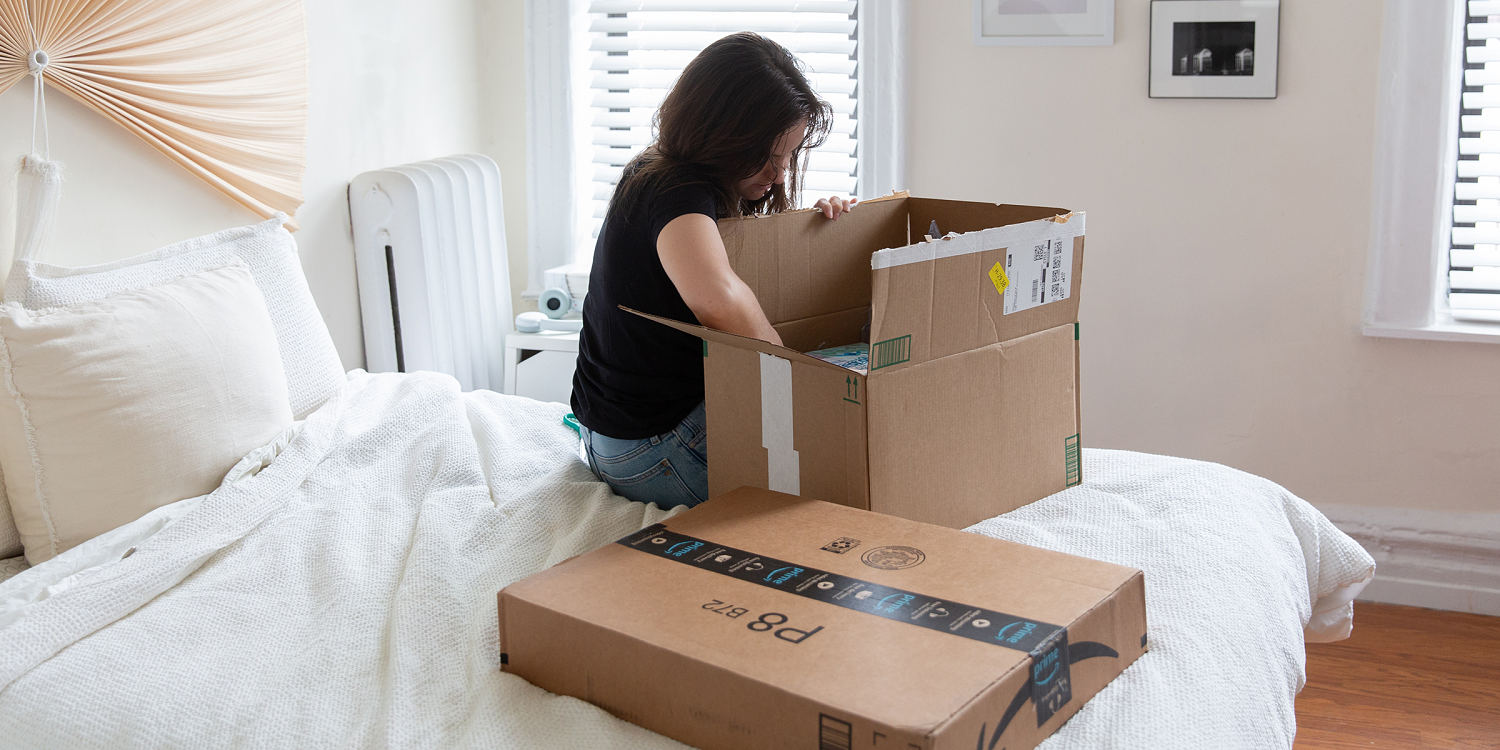
The lazy consensus in modern consumer retail is that Amazon Prime is the greatest deal in the history of commerce. You pay an annual fee, cargo boxes appear on your porch within forty-eight hours, and you get access to streaming video, cloud storage, and digital books thrown in for good measure. Corporations want you to view this as a subscription to convenience.
I call it a tax on your inability to plan ahead.
After watching millions of dollars slip through digital checkout funnels and analyzing the behavioral economics of modern logistics, the truth becomes painfully clear. Prime does not save you money. It alters your psychology to make you spend more on items you do not need, while convincing you that you are coming out ahead because the shipping label says zero dollars.
Let us dismantle the illusion.
The Free Shipping Fallacy
The core hook of the Prime ecosystem is the psychological trap of sunk costs. Once you pay the annual fee, your brain enters an optimization loop. You begin searching for ways to extract value from the platform to justify the upfront expense. You do not ask whether you actually need a third phone charger or a bulk pack of artisan coffee beans. You ask how fast you can get them to your doorstep so you feel like you are winning the subscription game.
Data from consumer research firms consistently shows that Prime members spend significantly more annually than non-members. This is not because wealthy people disproportionately buy Prime. It is because the removal of friction at checkout acts as a behavioral accelerant. When shipping costs four dollars and ninety-nine cents, you hesitate. You pause. You ask yourself if you can pick it up at a local store on Tuesday.
When shipping is allegedly free, the friction vanishes. You buy the item on impulse at midnight, completely ignoring the fact that the cost of the subscription itself could have covered standard shipping on every legitimate, planned purchase you made all year.
The Bloated Bundle Con trick
Amazon relies on the bundle defense mechanism. Whenever anyone questions the rising cost of the membership, defenders point to the extras. They list the video streaming service, the music catalog, the photo storage, and the grocery discounts.
This is corporate bundling at its finest. It forces you to pay for an omnibus of mediocre media products you likely never asked for, just to keep your delivery baseline functioning.
Look closely at the streaming video catalog. Much of it is filler content, older titles, or channels requiring secondary subscription add-ons. If you purchased Prime solely for fast shipping, you are subsidizing a Hollywood studio experiment that struggles to compete with dedicated platforms. If you purchased it for the media, you are paying a shipping tax every time you buy a household staple.
You are paying for everything, using a fraction of it, and feeling grateful for the privilege.
The Logistics Mirage
The forty-eight-hour delivery window has rewired human patience. It has trained an entire generation to treat local commerce as an inconvenience. We click buttons on glass screens and expect global supply chains to pivot instantly to our living rooms, all so we can receive a plastic spatula thirty-six hours early.
Behind that click sits an enormous human and environmental cost disguised as seamless efficiency. Warehouses operate on algorithmic management systems that track worker movement down to the second, while urban centers choke on delivery vans idling in bike lanes. The convenience you purchase is heavily subsidized by compressed labor margins and carbon debt.
When you factor in the sheer volume of cardboard packaging requiring disposal, the hidden overhead of Prime membership becomes staggering.
How to Break the Loop
You do not need to cancel online shopping entirely, but you do need to detox from the immediacy trap.
Try an experiment. Cancel the membership for six months. Watch what happens to your spending habits. You will naturally consolidate your purchases into weekly or bi-weekly batches to hit free shipping thresholds without paying a subscription fee. You will plan ahead. You will rediscover local hardware stores, bookstores, and specialty shops that provide immediate gratification without an algorithm tracking your search history.
You will discover that waiting four days for a package does not ruin your life. It just gives you time to realize you did not actually need the item in the first place.
Stop paying a corporate toll just to indulge your worst impulse-control habits.