The World Cup hasn't even kicked off its first official match, and it's already a logistical nightmare. While fans buy overpriced merchandise and cities brace for traffic, a much quieter crisis is unfolding at America's borders. It's a mess of denied entries, aggressive airport interrogations, and geopolitical finger-pointing.
If you think this is just a soccer problem, you're missing the bigger picture. The International Olympic Committee (IOC) is watching this disaster unfold with absolute dread. With Los Angeles set to host the Summer Olympic Games in 2028, the realization is sinking in. The American immigration system doesn't care about your global sporting event. You might also find this related article interesting: The Last Thread of Blue and White.
The warning shots have been fired. Somali referee Omar Artan, named Africa's top referee, flew into Miami only to be promptly blocked by US Customs and Border Protection. He was supposed to make history as the first Somali referee at a World Cup. Instead, he got sent back. Iraq’s star striker Aymen Hussein was held and interrogated for seven hours at Chicago's O'Hare airport. The team's photographer fared worse. Border agents searched his phone, detained him for ten hours, and refused his entry.
Then there's the Iranian national squad. Over a dozen vital staff and federation officials were denied visas entirely. The team was forced to ditch its planned training base in Arizona and relocate to Tijuana, Mexico. Their current reality is absurd. They basically have to commute across the border into Southern California and Seattle just to play their group stage matches. They cross the border, play the game, and get kicked back out the same day. As reported in recent reports by Yahoo Sports, the implications are significant.
The Olympic Panic Button Has Been Pushed
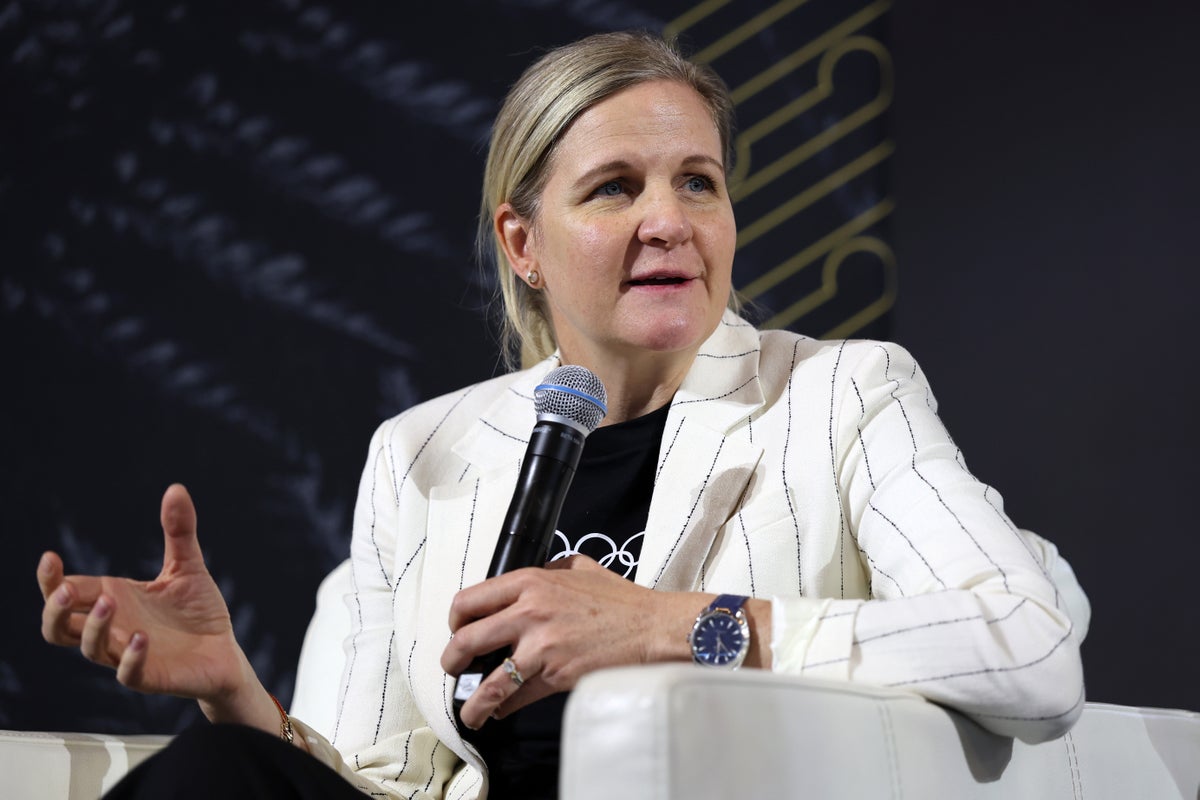
During an IOC executive board meeting in Lausanne, Switzerland, organizers dropped the polite diplomatic talk. International Olympic Committee President Kirsty Coventry openly admitted that LA 2028 organizers are scrambling to build a buffer against this exact kind of border chaos.
"I am confident that in two years we will be able to overcome a number of the challenges that the World Cup is facing right now," Coventry stated. But confidence won't fix a broken federal bureaucracy. It requires a massive education campaign aimed directly at American border agents.
To make that happen, LA 2028 organizers have quietly set up a dedicated diplomatic office in Washington, DC. Their primary objective isn't fundraising or marketing. It's building a direct pipeline to the Department of Homeland Security and the State Department.
IOC sports director Pierre Ducrey shed light on what this team is actually doing. They're spending hours explaining the precise profiles of the athletes, coaches, and delegates who will arrive in California. The goal is simple. Educate the federal agencies before the flights land so everyone operates from the same playbook.
But here's why the Olympic organizers are facing an uphill battle compared to FIFA. The World Cup features 48 nations. The Summer Olympics welcomes well over 200 countries and territories. If the US government is choking on a 48-team tournament, the 2028 Games could trigger a total system failure.
The Friction Between Global Sport and National Security
The core issue stems from a massive policy clash. The United States government has dramatically tightened its borders under the current administration. Tourist visa fees have skyrocketed to $435, and full or partial travel restrictions apply to dozens of countries, including nations like Iran, Somalia, and numerous African and Middle Eastern states.
The State Department claims it's protecting national security and stopping visa overstays. They issued a blunt statement reinforcing that they will not waive US law or lower vetting standards for a sporting event. They treat every single applicant on a case-by-case basis.
When FIFA or the IOC select a host country, they expect that host to open its doors to the world. FIFA completely washed its hands of the current mess. They released a defensive statement noting that they don't control immigration laws and that host governments have the final say. That lack of institutional spine is exactly why teams are currently stranded in Mexico.
The IOC operates with a bit more leverage. Historically, they've forced hard lines on host nations. Think back to major geopolitical shifts or past games where strict rules were bent to ensure athletes could compete. But bending the will of the United States federal government is a totally different beast.
Why LA 2028 Has a Slight Advantage
It isn't entirely hopeless for the Los Angeles games. The Olympics hold a different legal and cultural status in the US compared to soccer.
First, the federal government officially classifies the Olympics under specific major event exemptions. A State Department cable previously outlined that accredited athletes, coaches, and essential support staff for LA 2028 are technically exempt from broad travel bans.
But look at the fine print. That exemption applies only to a small subset of individuals. It explicitly excludes:
- International journalists and media broadcasters.
- Foreign corporate sponsors who fund the games.
- The global fanbases flying in to watch.
If a prominent international sports journalist from an African nation can't get a visa to cover their country's gold-medal favorite, the credibility of the entire event takes a massive hit.
Second, Los Angeles operates with a different political attitude than the federal government. Local leaders want a global, open image. The city has long positioned itself as an inclusive sanctuary environment. If athletes and fans can physically get past the federal Customs and Border Protection gates at LAX, local law enforcement isn't going to hassle them. But that's a massive "if." Local police don't run the airport immigration booths. The federal government does.
Real Steps for International Sports Federations Right Now
If you're managing an international sports federation, an Olympic committee, or working as an agent for athletes targeting the 2028 Games, you can't rely on the IOC's Washington office to save you. You need an aggressive, proactive strategy to avoid the fate of the Iranian soccer team or referee Omar Artan.
- Submit Visas Years, Not Months, in Advance: The standard window for visa processing is completely broken. Federations must begin compiling athlete rosters and submitting background data to US consulates immediately, even for athletes who haven't officially qualified yet.
- Secure Secondary Training Bases Outside the US: Do what the smart soccer federations did. Establish backup training camps in Canada, Mexico, or the Caribbean. If your support staff faces a last-minute visa delay or rejection, you need an accessible base where your entire squad can train together without border friction.
- Separate Athletic Credentials from Commercial Staff: Do not bundle your coaches and athletes with sponsors, media liaisons, or secondary executives in your visa applications. The US government vets athletes under strict sporting exemptions. Grouping them with commercial staff risks delaying the entire application block.
- Prepare for Extensive Digital Vetting: Border agents are aggressively searching devices. Team staff and athletes must ensure their digital footprints, public statements, and phone data strictly comply with standard entry expectations to avoid multi-hour detentions at major hubs like LAX or O'Hare.
The clock is ticking toward 2028. The current World Cup situation proves that immigration bureaucracy can humiliate world-class athletes and ruin years of preparation in a matter of seconds. Relying on the vague promises of organizing committees isn't an option. Start your logistical preparation immediately, or prepare to watch the Los Angeles games from a television screen across the border.
.png?width=1200&auto=webp&trim=0%2C0%2C0%2C0)