More than a single year passed before investigators finally placed handcuffs on a mother accused of leaving her newborn infant beside a cold dumpster during a torrential downpour. The timeline raises uncomfortable questions about modern police procedure, the limitations of physical evidence recovery, and the invisible safety nets that fail vulnerable families long before a child hits the pavement.
In journalism, time usually blunts the impact of a breaking crime. Headlines flare, outrage spikes for forty-eight hours, and the public moves on. But stories involving infant abandonment carry a distinct weight. They force communities to confront the rawest edges of desperation and neglect. When a newborn is discovered exposed to the elements, the immediate public demand is simple: find the person responsible. When that search stretches across fourteen months, the narrative shifts from immediate shock to a quiet, grueling puzzle of forensic backtracking and community silence.
The Timeline of a Cold Start
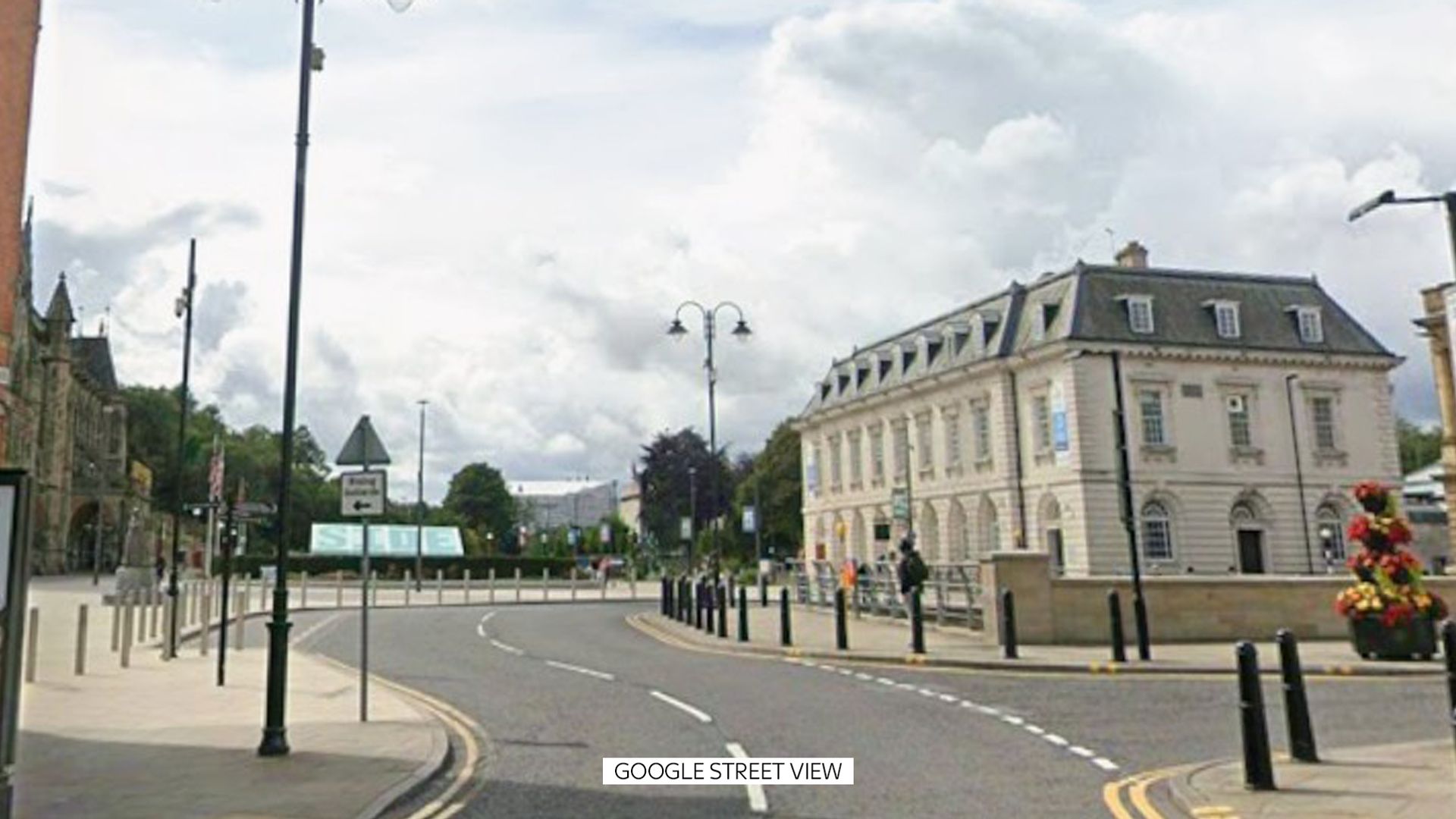
The case began on a stormy night when a passerby heard a faint sound near a commercial waste receptacle. Emergency responders arrived to find a hypothermic infant fighting for breath against the driving rain. Medical staff managed to stabilize the baby, shifting the immediate crisis from survival to identification.
Finding the mother required untangling a web of missing data. Hospitals track birth records meticulously, but home births or undocumented deliveries bypass standard institutional pipelines entirely. Investigators relied on surveillance footage from surrounding businesses, yet the storm had severely degraded camera quality. Grainy silhouettes and obscured license plates offered little traction. Days turned into weeks. Weeks stretched into months. Without an eyewitness or a tip from someone inside the mother's immediate circle, the trail went ice cold.
Detectives faced a wall of institutional hurdles. Modern privacy laws, while essential for protecting citizens, often create massive bottlenecks when law enforcement attempts to cross-reference medical databases with unverified birth reports. Investigators had to petition courts for specialized warrants to access broader regional health metrics, a legal process that eats up precious weeks.
The Breakthrough in Forensic Genealogy and Digital Trails
Cases that stall for over a year rarely break due to a lucky break on the street. They break because technology catches up or someone breaks their silence. In this instance, law enforcement utilized advanced DNA profiling alongside digital footprint analysis to narrow down the suspect pool.
While public attention often focuses on dramatic cinematic detective work, the reality of modern policing is far more bureaucratic. Analysts sift through terabytes of cell tower dumps, matching device pings near the crime scene against commercial database records. Coupled with familial DNA phenotyping, investigators slowly eliminated possibilities until a single name emerged.
The arrest brought relief, but it also opened a deeper sociological inquiry. Why did this mother feel she had no other choice?
Examining the Breakdown of Safe Haven Laws
Every jurisdiction in the region promotes safe surrender policies. Fire stations, police precincts, and hospitals are legally designated as safe zones where a parent can drop off an unwanted infant with zero questions asked and no threat of criminal prosecution.
Yet, utilization rates for these programs remain stubbornly low among individuals in severe crisis. Panic, fear of social stigma, and profound isolation often override rational decision-making. When a person is experiencing acute psychological distress or economic panic, institutional signage pointing toward a hospital emergency room becomes invisible.
Public awareness campaigns treat safe surrender as a logistics problem. Put up more billboards. Print more brochures. But logistics fail when human psychology enters a state of structural dissociation. A mother terrified of judgment or retaliation from abusive partners or family members does not evaluate legal immunity rationally. She acts out of immediate self-preservation, tragically miscalculating the survival of her child in the process.
The Path Forward for Accountability and Prevention
The legal system will now process the charges against the mother. Courtrooms will weigh intent against circumstance, and prosecutors will present their evidence to a judge and jury. The legal accountability is clear-cut.
Preventing a recurrence of this tragedy, however, requires looking past the courtroom doors. Communities must address the systemic gaps that isolate pregnant individuals in crisis. Strengthening social work outreach, expanding confidential maternal mental health resources, and removing the shame associated with unplanned or unsupported pregnancies are the only effective deterrents against desperate acts.
Justice requires holding individuals responsible for their actions. True safety requires building a world where no parent ever feels that a dumpster in the rain is their only remaining option.