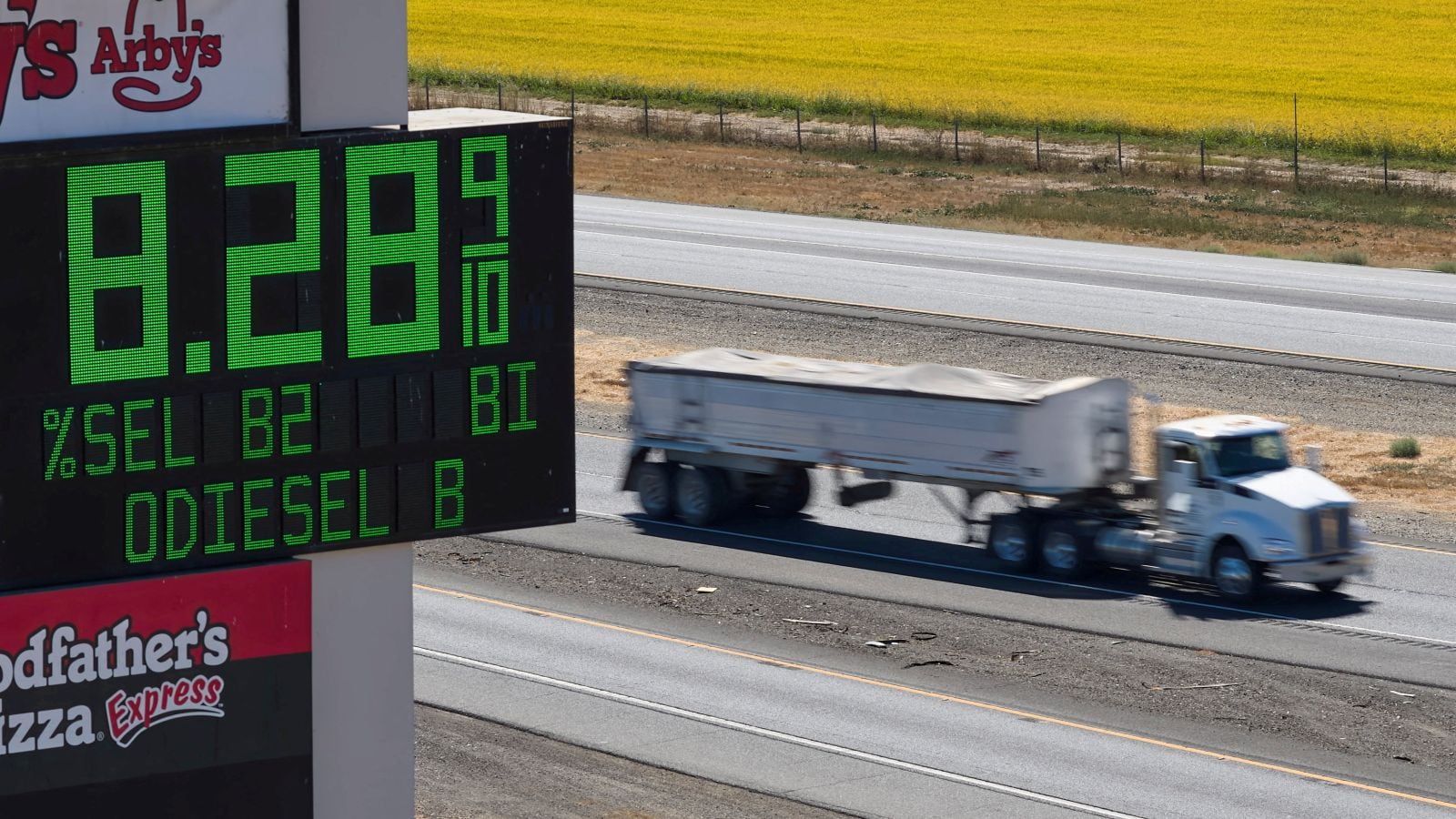
The mechanics of modern distillate pricing dictate a brutal reality: crude oil is a benchmark for gasoline, but middle distillates operate under an entirely different set of thermodynamic and logistical constraints. When the conflict in Iran disrupted maritime traffic through the Strait of Hormuz, it exposed the fragile equilibrium of the global refining complex. The resulting price surge past six dollars a gallon for retail diesel was not a random market anomaly. It was the predictable outcome of a severely constrained crack spread compounded by concurrent regional supply shocks.
Understanding this dynamic requires breaking down the modern fuel supply chain into three structural pillars.
The Three Pillars of Distillate Vulnerability
The first pillar is the geography of complex refining. Diesel cannot be produced simply by pumping crude out of the ground; it requires heavy coking and hydrocracking units capable of stripping sulfur and cracking heavy sour crude into middle distillates. Many of the world's most sophisticated refining hubs sit within striking distance of Middle Eastern shipping lanes or rely directly on feedstock sourced from the Persian Gulf. When geopolitical friction chokes the Strait of Hormuz, these refineries face immediate feedstock starvation, forcing utilization rates down precisely when demand profiles are most rigid.
The second pillar involves the compounding nature of secondary supply losses. While the Middle Eastern kinetic action choked off hundreds of thousands of barrels of daily distillate yield, the market absorbed a simultaneous blow from structural disruptions elsewhere. Ukrainian drone strikes on Russian refining infrastructure removed substantial volumes of export-grade diesel from the European and global balancing pools. Because global inventories were already operating at historical deficit lows, the system possessed zero shock-absorption capacity. The loss of marginal barrels triggered a non-linear price response.
The third pillar is inelastic end-user demand. Unlike retail gasoline, which sees immediate demand destruction as private motorists curtail discretionary driving when prices rise, diesel is consumed primarily by commercial trucking, maritime shipping, rail networks, and agricultural machinery. These sectors cannot simply halt operations; fuel costs are passed directly downstream into the logistics chain, creating economy-wide inflationary impulses before any market-clearing price reduction can take effect.
Evaluating Policy Interventions and Their Friction Costs
When retail diesel prices approached record highs, the federal response relied on fiscal and regulatory levers designed to alter the cost function of supply. These interventions highlighted the structural limitations of executive action during a physical commodity deficit.
Temporary tax suspensions, such as relief measures applied to dyed red diesel for agricultural use, alter the net price paid at the pump by shifting the tax burden to public treasuries. However, they do not manufacture a single physical gallon of fuel. If refinery output remains constrained by feedstock bottlenecks, lowering tax friction merely subsidizes scarcity rather than curing it, sustaining high demand in an environment where supply cannot expand.
Similarly, regulatory shifts aimed at unlocking external trade flows—such as temporary licensing frameworks designed to permit the movement of sanctioned Russian diesel onto the global market—encounter severe logistical and legal friction. Even when trade restrictions are administratively waived, secondary sanctions, domestic statutory bans, port liability concerns, and maritime insurance constraints prevent immediate delivery. The time lag between a policy announcement and physical molecules clearing customs in deficit regions can span months, leaving domestic consumers exposed to prolonged price elevation.
The Economic Impact on Downstream Sectors
The transmission mechanism of a diesel shock is swift and regressive. Heavy transport accounts for the bulk of overland freight movement. When fuel costs surge by seventy percent, operating margins for logistics providers collapse unless freight rates adjust upward instantly.
Agriculture bears an equally acute burden. Planting, harvesting, and tilling operations rely heavily on diesel-powered tractors and combines. A multi-billion-dollar increase in seasonal fuel expenses for producers translates directly into elevated food input costs, decoupling inflation from simple monetary dynamics and rooting it firmly in structural energy costs. Refineries capture extraordinary refining margins during these spikes—often dubbed crack-spread windfalls—while downstream commercial operators absorb the operational damage.
Strategic Assessment and Market Rebalancing
True market rebalancing relies not on political declarations or temporary administrative waivers, but on the restoration of refinery throughput, the physical reopening of maritime choke points, and seasonal demand contraction. As global oil supply slowly returns to surplus and seasonal autumn demand drops alongside the completion of refinery maintenance cycles, distillate inventories begin to claw back toward baseline levels.
To insulate commercial enterprises against future distillate shocks, logistics and manufacturing operators must transition from reactive fuel-surcharge models to predictive energy hedging strategies, multi-supplier regional diversification, and fleet electrification where torque and payload requirements permit. Relying on short-term regulatory adjustments to counter structural refinery deficits remains a high-risk operational posture.


