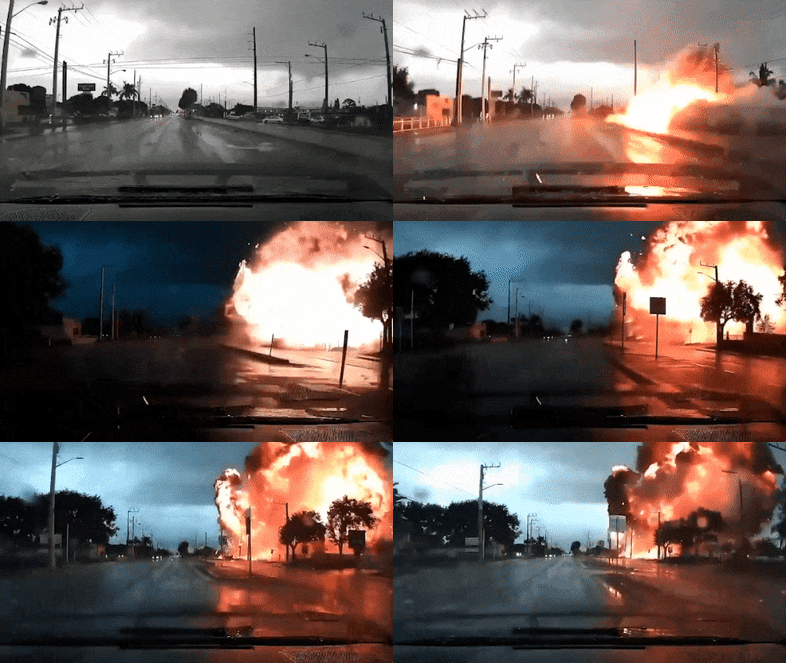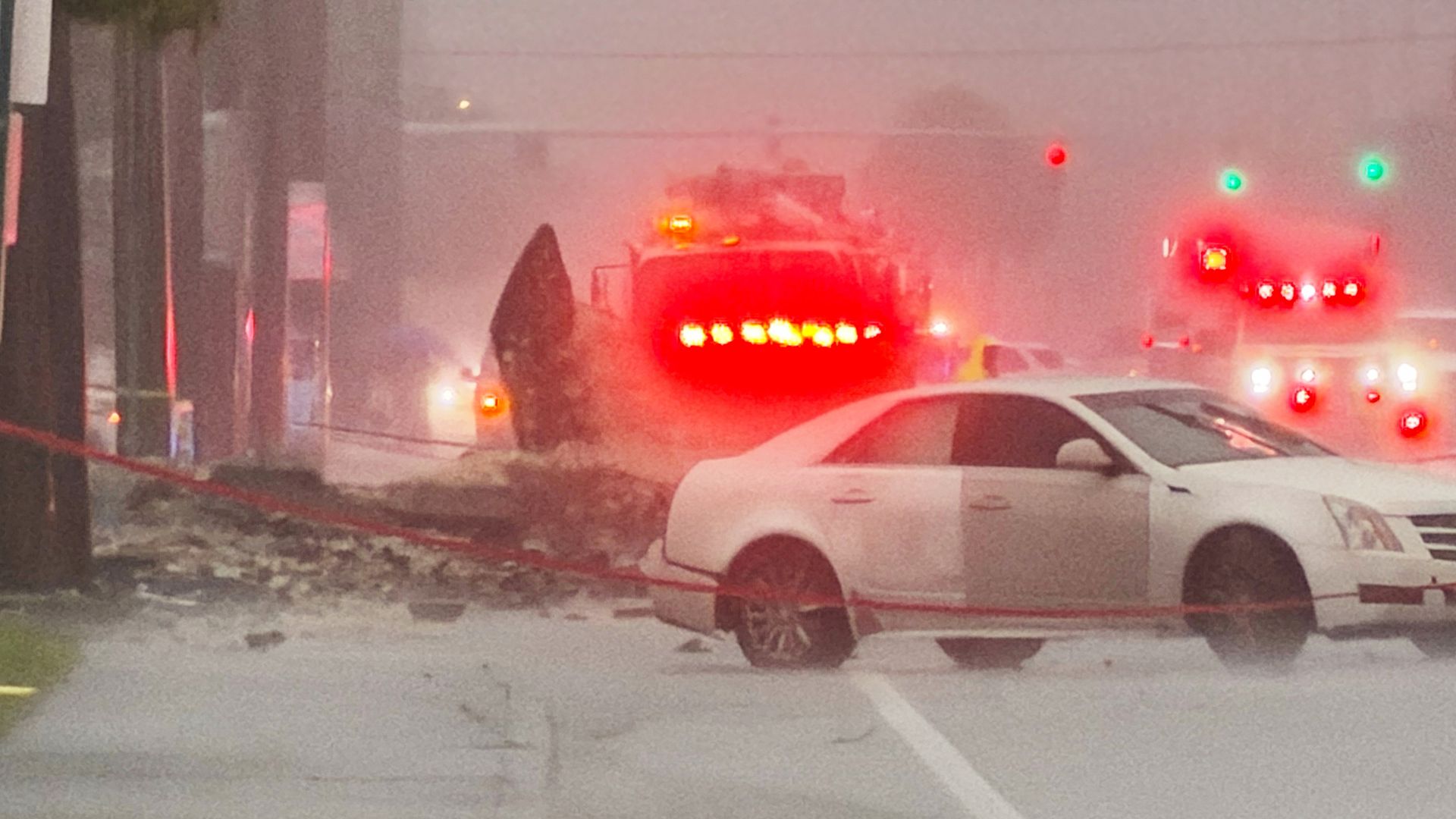
Fatal business aviation accidents rarely stem from a single catastrophic failure. When a private jet goes down in a high-traffic corridor like Florida, killing everyone on board, standard news coverage treats the event as an isolated tragedy defined by casualty counts and emergency response timelines. That framing obscures the operational reality. Every hull loss in corporate and charter aviation is the terminal output of a compounding chain of mechanical, environmental, and human-factor variables colliding inside a compressed timeframe.
Understanding how a nine-fatality business jet crash unfolds requires dismantling the flight profile into its constituent risk vectors. Because the competitor reference provides only the headline outcome—a business jet crashing in Florida with nine fatalities—without access to tail numbers, specific airframe models, or preliminary National Transportation Safety Board (NTSB) dockets, we must separate verified operational mechanics from unconfirmed event specifics. We do not know the exact root cause of this specific airframe loss yet. We do know the exact aerodynamic, regulatory, and systemic pressures that govern every business jet operating in Florida airspace, and how those pressures convert minor anomalies into unsurvivable impacts.
The Structural Vulnerability of Part 91 and Part 135 Operations
Business aviation operates under a bifurcated regulatory architecture in the United States, split primarily between 14 CFR Part 91 (non-commercial private operations) and 14 CFR Part 135 (on-demand commercial charter). While commercial airlines operate under the rigid, redundant oversight of Part 121, business jets carrying up to nine passengers routinely fly under rules that permit vastly different maintenance intervals, crew duty limits, and dispatch protocols.
- Dispatch Authority and Operational Pressure: Major airlines rely on licensed dispatchers who share legal responsibility with the pilot-in-command for flight safety. In many Part 91 and smaller Part 135 operations, the pilot acts as the sole arbiter of go/no-go decisions. When high-net-worth principals or time-sensitive corporate executives are waiting on the ramp, subtle psychological pressure—known in aviation human factors as "get-there-itis"—erodes conservative decision-making margins.
- Crew Resource Management (CRM) Compression: A standard light-to-midsize business jet carrying nine people typically operates with a two-pilot cockpit, though certain light jets are certified for single-pilot operation. In high-workload phases of flight, a two-person crew lacks the administrative buffer of a commercial flight deck. If one pilot becomes task-saturated managing an avionics failure or an air traffic control (ATC) reroute, the second pilot's capacity to monitor raw flight parameters drops precipitously.
- Maintenance and Fleet Utilization Variance: Corporate flight departments operating Fortune 500 aircraft often exceed Part 121 safety standards through voluntary third-party audits (such as IS-BAO or Wyvern). Conversely, aging airframes operating on the fringes of the charter market or under fractional ownership structures face tight turnaround schedules. A deferred maintenance item under a Minimum Equipment List (MEL) can interact unpredictably with an environmental stressor.
The Florida Airspace and Meteorological Matrix
Florida presents a distinct operational environment that amplifies baseline aviation risks. The peninsula acts as a meteorological convergence zone flanked by warm bodies of water, while simultaneously hosting one of the highest concentrations of business aviation traffic in the world. Airports like Teterboro, Van Nuys, and South Florida hubs (Opa-locka, Boca Raton, Palm Beach, and Naples) form the primary arteries of private jet travel.
Convective Instability and Microburst Dynamics
During much of the year, diurnal heating over the Florida peninsula generates rapid, localized convective activity. Unlike frontal weather systems that move predictably across a continent, air-mass thunderstorms in Florida can build from clear skies to towering cumulonimbus cells exceeding 45,000 feet in under thirty minutes.
For a business jet descending into a terminal area, these cells produce two lethal hazards: wind shear and microbursts. A microburst is a localized column of sinking air that hits the ground and spreads radially. An aircraft entering a microburst first encounters a strong headwind, which temporarily increases airspeed and lift, tempting the pilot to reduce power and pitch down. Seconds later, the aircraft passes through the core into a violent downdraft, followed immediately by a severe tailwind. Airspeed collapses, lift vanishes, and at low altitudes—such as final approach or initial climb—the aircraft lacks the vertical buffer required to recover before ground impact.
Terminal Congestion and Vectoring Constraints
High traffic density across the Miami, Jacksonville, and Tampa Air Route Traffic Control Centers forces business jets into narrow arrival corridors. Business jets generally fly higher and faster than commercial airliners during cruise, often occupying Flight Levels 410 through 450, before executing steep, high-energy descents into congested terminal airspace.
When ATC issues late runway changes, slam-dunk clearances (keeping an aircraft high until close to the airport), or sudden speed restrictions to sequence a private jet between heavy commercial traffic, the crew's workload spikes. Unstabilized approaches—where an aircraft fails to meet specific airspeed, glide path, and configuration parameters by 1,000 feet above field elevation—remain the single most reliable predictor of approach-and-landing accidents in business aviation.
Aerodynamic and Mechanical Failure Modes
When an accident results in total fatalities with zero survivors, the impact dynamics point toward high-energy ground contact rather than a controlled off-airport landing. In twin-engine turbofan aircraft—the standard propulsion configuration for a nine-passenger business jet—several specific failure pathways produce catastrophic energy states.
- Dual-Engine Flameout or Fuel Starvation: Modern turbofans exhibit extraordinary mechanical reliability, making simultaneous independent mechanical failure statistically negligible. However, common-mode failures bypass redundancy. Fuel contamination, fuel icing due to depleted anti-icing additives at high altitudes, or fuel exhaustion caused by miscalculated headwinds and inadequate reserves will silence both engines simultaneously. Without thrust, a swept-wing business jet transforms into a heavy glider with a steep descent ratio, leaving the crew minutes to execute a dead-stick landing onto terrain that, in Florida, frequently consists of dense urban sprawl, canals, or swampland.
- Asymmetric Thrust and Vmc Roll: Losing a single engine in a twin-jet is a standard certification scenario trained repeatedly in simulators. Yet, if an engine fails at low airspeed during takeoff or go-around—specifically below minimum controllable airspeed ($V_{MC}$)—the asymmetric thrust from the surviving engine generates a yawing moment that the rudder cannot counteract. The aircraft yaws violently toward the dead engine, the wing on that side stalls, and the jet enters an unrecoverable inverted roll into the ground.
- Flight Control Malfunctions and Trim Runaways: Business jets rely on complex hydromechanical or fly-by-wire flight control systems. A jammed stabilizer, a runaway pitch trim actuator, or an uncommanded thrust reverser deployment in flight creates immediate aerodynamic asymmetry. If the crew does not diagnose the anomaly and execute the memory-item cutout procedures within seconds, aerodynamic forces can exceed human physical strength on the control column, driving the airframe into an extreme nose-down attitude.
- Spatial Disorientation (Somatogravic Illusion): In Instrument Meteorological Conditions (IMC)—flying inside clouds or at night over unlit water or terrain like the Everglades—pilots lose visual horizon references. Under rapid acceleration during a go-around or missed approach, the vestibular system in the inner ear misinterprets linear acceleration as a steep nose-up pitch. If a pilot trusts their physiological instincts over the attitude indicator and pushes the yoke forward to "level off," they fly a mechanically sound airplane directly into the terrain—a phenomenon classified as Controlled Flight Into Terrain (CFIT).
The Swiss Cheese Model Applied to Nine-Fatality Hull Losses
Aviation safety practitioners rely on James Reason’s Swiss Cheese Model to map how systemic defenses fail. Every layer of defense—aircraft design, maintenance, pilot training, ATC oversight, weather forecasting—contains microscopic holes (latent conditions). An accident occurs only when the holes across every single layer align momentarily, allowing a hazard trajectory to pass straight through.
In a typical fatal business jet sequence, the alignment looks like this:
- Latent Organizational Factor: A flight crew approaches the end of a long duty day, accumulating subtle cognitive fatigue that degrades working memory and situational awareness.
- Environmental Trigger: Destination weather deteriorates below forecast minimums, introducing crosswinds and low visibility.
- Tactical Error: Rather than diverting to an alternate airport—which disrupts passenger schedules and incurs logistical costs—the crew attempts an instrument approach to minimums.
- Systemic Breakdown: A minor equipment degradation (e.g., an inoperative autopilot channel) forces the pilot flying to hand-fly the approach in heavy turbulence while the pilot monitoring manages complex ATC communications.
- Terminal Event: The aircraft dips below the glide slope on short final, encounters a wind shear downdraft, and impacts terrain before the engines can spool up from idle to full go-around power—a lag that takes critical seconds in turbine engines.
The Forensic Reconstruction Timeline
Following a fatal crash in Florida, the investigative jurisdiction falls immediately to the NTSB, supported by the Federal Aviation Administration (FAA) and technical advisors from the airframe and engine manufacturers. Because initial news reports rely on eyewitness accounts and first-responder radio traffic, early narratives are routinely distorted by perceptual bias. Eyewitnesses frequently report "the plane was on fire in the air" or "the engines cut out," when post-impact fire or Doppler shift acoustics explain the perception.
Actual forensic truth emerges through three distinct phases of physical and digital reconstruction:
- Phase 1: Perishable Evidence and Radar Plottings (Days 1–14). Investigators secure the debris field to map the impact angle and energy distribution. A tight, cratered debris field indicates a steep, high-speed vertical impact; a long, narrow debris path indicates a shallow, controlled flight trajectory into trees or structures. Simultaneously, investigators pull Automatic Dependent Surveillance–Broadcast (ADS-B) data and ATC radar tracks to reconstruct the exact altitude, groundspeed, and vertical rate of descent second by second.
- Phase 2: Black Box Extraction and Metallurgical Analysis (Weeks 2–12). Depending on the aircraft's weight and certification date, it may carry a Cockpit Voice Recorder (CVR), a Flight Data Recorder (FDR), or a combined lightweight recorder. Laboratories extract audio and parametric data to verify switch positions, control inputs, and crew callouts. If engines are recovered, metallurgists examine turbine blades: blades bent backward against the direction of rotation prove the engine was producing high power at the moment of impact, immediately ruling out fuel exhaustion or flameout.
- Phase 3: Probable Cause Determination (Months 12–24). The NTSB synthesizes human factors, maintenance logs, toxicology reports, and aerodynamic modeling into a final docket. The agency does not assign legal blame; it isolates the probable cause and issues safety recommendations to prevent recurrence.
Limitations of Current Risk Mitigation Frameworks
No regulatory framework or technological intervention eliminates risk entirely in high-performance aviation. Even fleets equipped with Synthetic Vision Systems (SVS), Enhanced Ground Proximity Warning Systems (EGPWS), and autothrottles suffer hull losses.
Technology introduces its own failure modes: automation complacency and mode confusion. When pilots rely heavily on automated flight management systems during routine flights, their manual flying proficiency atrophies. When an unexpected anomaly disconnects the autopilot during a critical phase of flight, the transition from passive systems monitor to active manual manipulator requires a cognitive shift that fatigued or startle-impaired crews occasionally fail to execute in time. Furthermore, regulatory oversight by the FAA cannot physically inspect every private flight ramp-side; the system depends fundamentally on operator integrity and self-reporting culture.
Strategic Mandate for Flight Departments and Charter Consumers
For corporate flight directors, aviation risk managers, and principals chartering private aircraft into high-density corridors like Florida, passive reliance on baseline FAA certification is an inadequate risk strategy. Organizations must enforce internal operational guardrails that supersede regulatory minimums.
Implement a mandatory Stabilized Approach Gate policy with zero punitive consequences for go-arounds: if an aircraft is not fully configured, on speed, and on glide path by 1,000 feet above ground level in instrument conditions (or 500 feet in visual conditions), a missed approach must be executed automatically without discussion. Pair this with strict Flight Risk Assessment Tools (FRAT) that assign hard numerical penalties to compounding variables—such as night operations, convective weather advisories, unfamiliar runways, and crew duty times exceeding ten hours—requiring executive-level sign-off or mandatory flight cancellation once a cumulative risk threshold is breached. Finally, any entity chartering aircraft must restrict vendor selection strictly to operators holding active, audited safety ratings (ARGUS Platinum or Wyvern Wingman) and mandate two-pilot crews regardless of whether the airframe is certified for single-pilot flight.