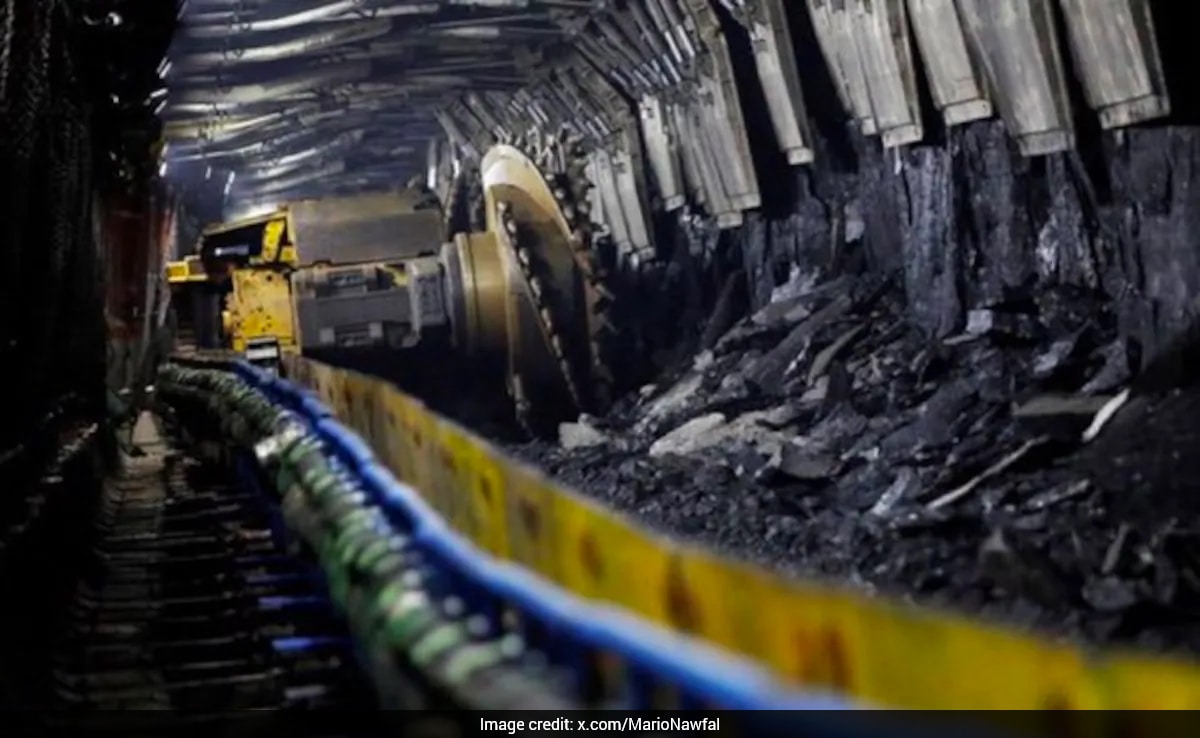
The fatal explosion at a Chinese coal mine resulting in 82 confirmed fatalities and 9 missing personnel demonstrates that industrial disasters are rarely the result of isolated mechanical failures. Instead, they are the predictable output of systemic friction where economic production quotas collide with geological realities and compromised safety protocols. In deep-underground mining operations, safety cannot be managed as an emotional or ethical compliance obligation; it must be analyzed as a complex optimization problem where gas management, ventilation kinetics, and structural geology dictate the hard boundaries of survivability.
When a catastrophic event of this scale occurs, standard journalistic accounts focus heavily on the immediate human toll and surface-level symptoms, such as the ignition of methane gas. A rigorous operational analysis, however, requires deconstructing the incident into its constituent engineering and regulatory failures. By evaluating the structural mechanics of underground explosions, the economic incentives driving compromised oversight, and the physical limits of secondary rescue operations, we can map the exact causal chain that converts a volatile underground environment into a mass-casualty event.
The Triad of Underground Ignition Mechanics
To evaluate how an underground coal mine transitions from a stable operating state to an active explosion zone, we must analyze the interaction between three distinct variables: gas accumulation rates, ventilation efficiency, and ignition energy thresholds.
Methane Liberation and Stratification Kinetics
Coal seam extraction inherently releases trapped methane ($CH_4$) into the active workings. The rate of this liberation is directly proportional to the speed of the shearer drums cutting the coal face and the depth of the overburden. As mines descend deeper into the earth, ambient rock pressure increases, trapping higher concentrations of highly pressurized gas within the coal matrix.
Methane possesses a specific gravity of 0.55 relative to air, meaning it naturally rises and stratifies along the roof of mine workings if undisturbed. The critical explosive limit for methane in ambient air rests between 5% and 15% by volume. Below 5%, the mixture is too lean to sustain a flame front; above 15%, the oxygen displacement prevents sustained combustion. The hazard window is narrow but highly volatile.
Ventilation Failure Modes
The primary defense against methane accumulation is dilution via continuous, high-velocity airflow. A breakdown in ventilation kinetics usually traces back to one of three operational errors:
- Short-Circuiting of Airflow: Damaged stopping walls, improperly managed airlocks, or poorly positioned brattice cloths allow fresh intake air to bypass the active coal face entirely, bleeding directly into the return airway. This creates stagnant zones where methane levels rapidly climb past the 5% threshold.
- Fan Outages and Methane Inundation: If a primary surface fan experiences a power interruption or mechanical breakdown, the drop in pressure allows methane to rapidly desorb from the exposed coal faces, flooding the tunnels faster than auxiliary systems can handle.
- Goaf Accumulation Ingress: The "goaf" or "gob"—the collapsed, unventilated area behind a longwall mining face—acts as a massive reservoir for low-oxygen, high-methane gas mixtures. Sudden atmospheric pressure drops on the surface or roof falls within the goaf can displace thousands of cubic meters of concentrated methane directly into the active, populated areas of the mine.
The Catalyst: Ignition Source Profiling
An explosive gas mixture requires an external thermal energy input exceeding the minimum ignition energy threshold of methane, which is roughly 0.28 millijoules. In modernized yet improperly maintained operations, this energy is supplied via:
- Frictional Heat: Continuous miner bits or longwall shearer picks striking quartz-rich sandstone strata instead of coal, generating localized sparks exceeding 1,200°C.
- Electrical Non-Compliance: Damaged trailing cables powering heavy machinery, or the use of non-explosion-proof equipment (non-intrinsically safe electronics) within return airlanes.
- Blasting Malpractices: The use of non-permissible explosives or improper stemming of blast holes, allowing open flames to interact with the mine atmosphere.
The Compounding Velocity of Secondary Coal Dust Explosions
While a methane ignition is frequently the initiating event, it rarely possesses the kinetic energy or volume required to cause mass casualties across an entire mining complex. The true agent of widespread devastation in major mining disasters is the secondary coal dust explosion.
The physics of this phenomenon rely on a violent chain reaction. When the initial methane blast occurs, the resulting pressure wave travels down the mine entries at supersonic speeds, ahead of the actual flame front. This shockwave lifts settled, microscopic coal dust from the floor, ribs, and roof supports, suspending it in the moving air mass.
+---------------------+       +---------------------+       +---------------------+
|  Methane Ignition   | ----> | Shockwave Dislodges | ----> | Flame Front Ignites |
| (5-15% Concentration|       |  Settled Coal Dust  |       | Suspended Coal Dust |
+---------------------+       +---------------------+       +---------------------+
                                                                       |
                                                                       v
+---------------------+       +---------------------+       +---------------------+
| Widespread Structural| <----| High-Pressure Wave  | <---- | Explosive Chain     |
| Collapse & Poisoning|       |  Propagates Onward  |       | Reaction Continues  |
+---------------------+       +---------------------+       +---------------------+
Once suspended, this coal dust acts as a highly concentrated solid fuel. The trailing flame front catches up to the dust cloud, igniting it almost instantly. This secondary explosion generates vastly higher pressures and temperatures than the initial methane blast, propagating through kilometers of underground workings as long as there is an uninterrupted supply of loose coal dust and oxygen.
The structural damage caused by this secondary wave systematically destroys heavy concrete ventilation stoppings, overcasts, and roof supports. This instantly collapses the mine's respiratory architecture, trapping workers far from the source of the initial ignition.
The Toxicity Matrix and Post-Explosion Atmospheric Dynamics
The immediate trauma from blast forces and thermal radiation accounts for only a fraction of total fatalities in major mine explosions. The true killer is the rapid shift in atmospheric chemistry within the isolated tunnels, transforming the environment into a highly toxic chamber.
The Production of Afterdamp
A stoichiometric combustion of methane yields carbon dioxide and water vapor. However, the incomplete combustion characteristic of coal dust explosions produces "afterdamp"—a lethal mixture of gases dominated by carbon monoxide ($CO$), carbon dioxide ($CO_2$), nitrogen, and severely depleted oxygen levels.
| Gas Component | Concentration Post-Explosion | Physiological Impact on Human Body |
|---|---|---|
| Carbon Monoxide ($CO$) | Often >1.0% (10,000 ppm) | Binds to hemoglobin with an affinity 200 times greater than oxygen, causing rapid cellular asphyxiation and death within minutes. |
| Carbon Dioxide ($CO_2$) | Elevated (>5%) | Acts as a respiratory stimulant, forcing miners to inhale higher volumes of toxic carbon monoxide. |
| Oxygen ($O_2$) | Depleted to <10% | Causes immediate cognitive impairment, loss of motor control, and rapid unconsciousness. |
The Failure of Self-Rescue Infrastructure
When the atmosphere turns toxic, miners rely on Self-Contained Self-Rescuers (SCSRs)—portable breathing apparatuses designed to provide a closed-loop supply of oxygen for a limited duration, typically 30 to 60 minutes under high-exertion conditions.
The high fatality count of 82 workers suggests a systemic failure in the deployment or availability of these lifelines. If workers are situated several kilometers from the drift mouth or shaft bottom, a 60-minute oxygen supply is mathematically insufficient to navigate collapsed, debris-strewn tunnels filled with dense smoke and toxic gas. Furthermore, if a mine lacks survivable, positive-pressure refuge chambers equipped with independent oxygen scrubbers, food, and communication links, miners trapped behind cave-ins face a zero-percent chance of survival once their portable SCSR units are exhausted.
Search and Rescue Logistics in High-Risk Environments
The status of 9 missing personnel highlights the extreme friction inherent in underground rescue operations. Following an explosion of this magnitude, the entry of rescue teams is severely constrained by thermodynamic and structural barriers.
Atmospheric Re-Ignition Risks
Command centers cannot simply dispatch rescue teams into a damaged mine. The initial blast frequently leaves behind localized fires, smoldering coal piles, and highly unstable roof structures.
As ventilation controls are destroyed, methane levels in the blast zone may begin to rise again. If a rescue team alters the airflow to clear out toxic smoke, they risk pushing a fresh pocket of oxygen into a smoldering zone containing methane gas, triggering a tertiary explosion that would wipe out the rescue party. Consequently, teams must meticulously monitor gas ratios—specifically tracking the ratio of carbon monoxide to oxygen deficiency (Graham’s Ratio)—to determine if an active underground fire is expanding or stabilizing before making physical entry.
Structural Obstacles and Toxic Logistics
Rescuers operate under severe physical constraints:
- Weight of Gear: Rescuers carry heavy closed-circuit breathing apparatuses (BG4 units) weighing approximately 15 kilograms, limiting their speed and agility through collapsed entryways.
- Zero Visibility: Thick particulate matter and smoke render high-powered lights useless, forcing teams to navigate by physical contact along the rib lines or remaining rail tracks.
- Seismic Instability: The initial blast destroys roof bolting and crossbeams, leading to continuous secondary roof falls. Rescuers must artificially timber and stabilize their path forward, reducing advancement speeds to mere meters per hour.
Economic and Regulatory Root Causes
To understand why 91 miners were exposed to these conditions in the first place, we must examine the underlying economic and regulatory frameworks that govern deep-surface extraction in high-demand regions.
Production Quotas vs. Safety Compliance Costs
The coal sector operates on tight commodity margins balanced against rigid output mandates. When regional energy grids experience high demand, mining enterprises face immense pressure to maximize throughput.
This creates a perverse operational incentive to bypass mandatory safety procedures. For example, continuous longwall mining should ideally be halted periodically to apply rock dust (limestone powder) to the floors and ribs to inertize the coal dust. However, shutting down production to rock-dust reduces daily tonnage. Under aggressive production targets, management may delay these preventative measures, accepting a higher risk profile to maintain output metrics.
The Limits of Regulatory Oversight
Even in jurisdictions with stringent mining codes on paper, enforcement clarity degrades due to asymmetrical information. Regulatory inspectors can only evaluate a mine's operating state at a specific snapshot in time.
Operating companies can easily manipulate ventilation monitors or alter production pacing during scheduled audits. True compliance requires continuous, tamper-proof digital telemetry transmitted directly to independent, off-site monitoring centers. When regulatory bodies rely on self-reported data or sporadic physical inspections, the system remains vulnerable to systemic cutting of corners until a catastrophic failure exposes the reality.
Strategic Playbook for Deep Mining Risk De-escalation
To completely eliminate the conditions that allowed this tragedy to occur, asset owners and regulatory agencies must transition from reactive post-incident analysis to a predictive, zero-tolerance operational framework.
Implementation of Continuous Automated Inertization
Deep mines must install automated, automated barrier systems capable of detecting a methane ignition within milliseconds. These systems deploy localized bursts of specialized powder or water vapor curtains immediately ahead of the expanding blast wave, quenching the flame front before it can interface with suspended coal dust and escalate into a secondary explosion.
Mandatory Transition to Autonomous Longwall Mining
The most effective way to reduce fatalities in high-gassy mines is to remove human capital from the high-risk zones entirely. Operations must accelerate deployment of fully automated longwall shearers and autonomous continuous miners operated from surface-level control centers. By limiting underground personnel strictly to highly trained maintenance crews operating during non-extraction intervals, the human exposure vector is reduced by over 80%.
Real-Time Telemetry and Immutable Compliance Logs
All environmental sensors tracking methane levels, air velocity, and carbon monoxide concentrations must be integrated into an unalterable, cloud-based data architecture. This data must be accessible in real-time by third-party safety auditors and state regulatory agencies simultaneously. If a methane sensor reads above 1.5% for more than a continuous 60-second window, the system must trigger an automated, hardcoded electrical interlock that cuts power to all production machinery at the face, removing human discretion and economic bias from the safety equation.