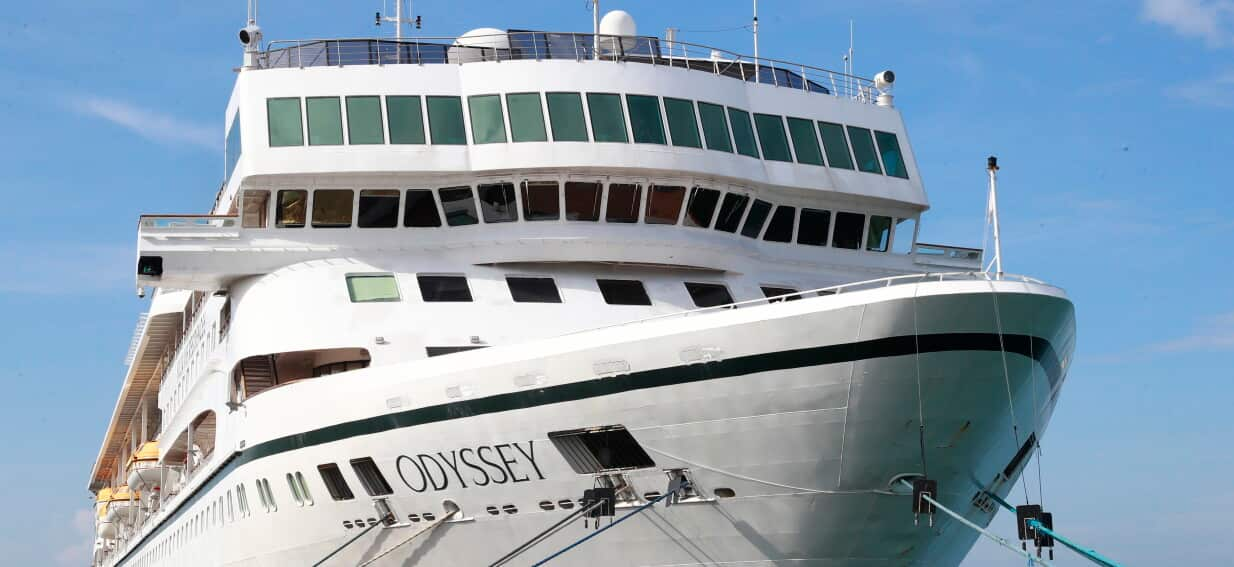
A residential cruise venture fails long before a vessel drops anchor in a foreign port without fuel or regulatory clearance. When a multi-year maritime operation strands paying residents in a port like Sihanoukville, Cambodia, the collapse is never an isolated operational accident; it is the terminal symptom of a broken unit-economic model colliding with strict maritime compliance laws. The failure mechanisms of residential cruising follow a predictable sequence of capital shortfalls, deferred maintenance, and regulatory bottlenecks that anyone evaluating fractional or full-time sea living can audit before wiring a deposit.
To understand why residential cruise startups repeatedly stall—most notably in high-profile cases where three-year world voyages were abruptly canceled or indefinitely delayed in port—analysts must separate consumer travel marketing from commercial maritime reality. Conventional cruise lines operate on high-turnover, high-margin yield management, subsidizing low base fares with onboard casino, beverage, and shore excursion revenue. Residential cruise startups invert this model. They rely on massive upfront capital injections from cabin sales or long-term leases to fund vessel acquisition and retrofitting, leaving thin recurring revenue streams to cover volatile, fixed operational expenses.
The Structural Economics of Residential Cruising
The foundational flaw in most startup residential cruise models is an asset-liability mismatch. Operators collect upfront capital from buyers—often marketed as multi-year leases or cabin ownership—and immediately deploy that cash to purchase aging tonnage from conventional cruise lines and finance shipyard dry-docking. Once the vessel leaves the shipyard, the operator no longer has a scalable revenue engine to absorb unexpected cost spikes.
The Fixed-Cost Trap
Maritime operations are governed by unforgiving fixed costs that do not scale down when cabin occupancy lags. A mid-sized cruise vessel carrying several hundred residents requires a specialized marine crew, hotel staff, continuous auxiliary power generation, freshwater production, and waste treatment systems.
- Bunker Fuel Volatility: Marine gas oil and low-sulfur fuel oil represent one of the largest variable-yet-mandatory expenses. Unlike commercial cargo lines that utilize sophisticated fuel-hedging instruments or pass costs directly through dynamic freight rates, startup passenger operators rarely possess the balance sheet creditworthiness required by institutional commodity desks. A sudden geopolitical spike in crude prices directly erodes operating cash reserves.
- Port Agency and Pilotage Fees: Every port call incurs mandatory charges calculated by gross tonnage, berth duration, and compulsory pilotage. In a standard seven-day Caribbean itinerary, a major cruise line negotiates volume discounts with port authorities and recovers fees through port taxes billed to thousands of rotating passengers. A residential ship visiting off-the-beaten-path global ports pays retail rates through local port agents, often requiring cash-in-advance escrow before a harbor master will grant entry clearance.
- Maintenance and Dry-Dock Amortization: Under international maritime regulations, commercial passenger vessels must undergo rigorous hull inspections and dry-docking twice within every five-year period. Startup operators frequently purchase 25-to-30-year-old vessels because newer tonnage is unavailable or cost-prohibitive. Older hulls suffer from accelerated corrosion, obsolete propulsion components, and cascading mechanical failures that turn routine port stays into unscheduled repair layovers.
Working Capital Deficits and Cash Burn
In a healthy corporate structure, customer deposits are held in escrow until service delivery, while working capital is funded through equity or credit facilities. In undercapitalized cruise startups, customer deposits often serve as de facto working capital. When regulatory delays push back a departure date, the operator enters a cash-burn death spiral. The ship still requires crew wages, marine insurance, and dockage fees while generating zero new sales—because prospective buyers stop wiring money the moment a launch date slips.
The Four Early Warning Signs of Operational Collapse
When a residential cruise line is heading toward stranding passengers, specific operational indicators appear months before the vessel is detained or abandoned. These signals are observable in public corporate filings, maritime registries, and customer contract revisions.
1. Chronic Departure Deferrals and Dry-Dock Drift
Shipyard refits are notoriously complex, yet experienced marine superintendents build 20% to 30% buffer windows into dry-dock schedules. A primary red flag is serial, short-increment postponement—pushing a launch date back by two weeks, then another three weeks, repeatedly. This pattern indicates that the operator lacks the liquidity to pay shipyard contractors upfront for materials and overtime labor, causing the yard to deprioritize the vessel in favor of paying commercial clients.
2. Asset Substitution and Tonnage Downgrades
A common pre-launch failure mode occurs when an operator markets a specific flagship vessel, collects deposits based on its deck plans, and subsequently announces a switch to a smaller or older hull. This happens when the seller of the original vessel terminates the memorandum of agreement due to missed escrow deadlines. Switching ships mid-stream forces a complete re-engineering of cabin allocations, invalidates prior marine survey assumptions, and triggers a wave of refund demands that immediately drains the company's remaining cash.
3. Regulatory and Classification Society Opacity
Every commercial passenger ship must maintain active status with a recognized Classification Society—such as DNV, Lloyd's Register, or the American Bureau of Shipping—and operate under the regulatory oversight of a Flag State. Class societies certify that the vessel is structurally sound and compliant with the International Convention for the Safety of Life at Sea (SOLAS).
When a startup operator becomes vague about its Flag State registration or delays announcing its classification status, it signals unresolved technical deficiencies. Without active class certification, Protection and Indemnity (P&I) clubs will revoke marine liability insurance. Without P&I coverage, no legitimate international port will allow the vessel to disembark passengers.
4. Unilateral Contract Amendments and Refund Friction
As liquidity tightens, operators routinely alter their terms of service. Watch for sudden changes to refund clauses, force majeure definitions, or arbitration venues. If an operator attempts to convert cash refund obligations into future travel credits, or demands supplemental "fuel surcharges" and "port fee assessments" from residents who supposedly purchased all-inclusive packages, the company is attempting to bridge an immediate payroll or bunker fuel shortfall.
Cause and Effect How Vessels Get Trapped in Foreign Ports
The progression from financial distress to physically stranding passengers in a port like Sihanoukville follows a rigid maritime legal chain reaction. Port states enforce international conventions strictly because an uninsured, under-crewed, or mechanically compromised passenger ship poses an immediate environmental and humanitarian liability to the host nation.
Port State Control Detention
Under international maritime law, Port State Control (PSC) officers have the authority to board any foreign-flagged vessel entering their waters to inspect safety equipment, crew certifications, and living conditions. If a startup operator has deferred maintenance to save cash, PSC inspectors will identify detainable deficiencies—such as inoperable lifeboat davits, faulty fire suppression systems, or expired crew contracts. Once a detention order is issued, the vessel is legally prohibited from sailing until every deficiency is rectified and verified by a class surveyor.
The Escrow and Bunkering Freeze
Simultaneously, word of financial distress spreads rapidly through the tight-knit global network of ship chandlers, bunkering suppliers, and port agents. Maritime suppliers operate on thin margins and protect themselves through maritime liens—the legal right to seize a vessel for unpaid debts. Once a cruise operator misses a single invoice, suppliers switch from net-30 credit terms to strict cash-in-advance requirements.
If the operator cannot wire cash to pay the local port agent for departure clearance, tugboats, and pilotage, the harbor master will withhold port clearance. The ship becomes physically trapped at the pier—not necessarily because the engines do not work, but because the administrative and financial keys required to leave port are locked behind unpaid invoices.
Crew Repatriation and Minimum Safe Manning
The Maritime Labour Convention (MLC) mandates strict standards for seafarer wages, repatriation, and living conditions. When an operator misses a payroll cycle, crew members have the legal right to file complaints with port authorities and Flag State representatives. If unpaid crew members abandon the vessel or demand repatriation, the ship drops below its Minimum Safe Manning Certificate threshold. At that point, moving the ship becomes illegal under international law, regardless of whether fuel is in the tanks.
Evaluating Maritime Viability Before Committing Capital
Prospective buyers evaluating fractional ownership or multi-year residential voyages cannot rely on glossy cabin renderings or itineraries. Due diligence must mirror the underwriting process used by institutional maritime lenders.
- Verify Direct Vessel Ownership: Confirm through public maritime databases (such as Equasis or IHS Markit) whether the operating company actually owns the hull via a clean special-purpose vehicle, or if it is operating under a fragile bareboat charter with onerous default triggers.
- Audit the Escrow Structure: Require proof that buyer deposits are held in an independent, third-party escrow account governed by a reputable maritime jurisdiction, with funds released to the operator only upon verified milestones—such as completion of sea trials and issuance of valid class certificates.
- Inspect the Management Team's Marine Pedigree: Differentiate between hospitality marketers and licensed marine professionals. A viable operation requires a seasoned Designated Person Ashore (DPA), a veteran VP of Marine Operations with direct experience managing SOLAS passenger vessels, and established relationships with tier-one ship management firms like V.Ships or Columbia Shipmanagement.
- Demand Transparency on P&I Club Coverage: Ask for the name of the vessel's Protection and Indemnity insurer. Membership in one of the twelve International Group of P&I Clubs indicates that the vessel has passed rigorous independent risk assessments; reliance on obscure, fixed-premium insurers suggests the vessel could not meet tier-one underwriting standards.
The Structural Reality of Niche Cruise Ventures
The residential cruise sector suffers from a fundamental capital-intensity barrier. Operating a global passenger ship requires the balance sheet resilience of a publicly traded corporation, yet the market size for multi-year sea residency remains a narrow niche. Startups attempting to bridge this gap by pre-selling cabins to fund vessel acquisition transfer massive institutional construction and operational risk onto individual consumers—who lack the legal protections of secured creditors when the venture fails.
Until a residential cruise operator secures institutional equity backing sufficient to fund two full years of zero-revenue operating expenses—completely separate from customer cabin deposits—every prospective passenger must treat their upfront payment not as a real estate purchase, but as an unsecured venture capital bet on an asset class notorious for destroying capital.