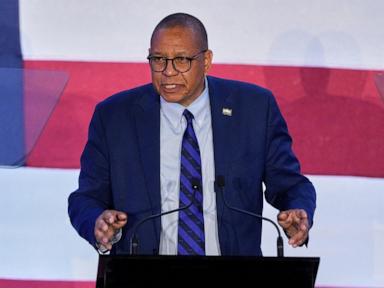
Political executive structures operate under fragile equilibrium frameworks where trust acts as the foundational currency. When a high-ranking official exits abruptly due to substantiated misconduct, the fracture exposes systemic vulnerabilities within administrative vetting pipelines and internal compliance enforcement. The sudden departure of New Jersey Lieutenant Governor Dale Caldwell following an independent ethics investigation provides a clear case study in how administrative oversight failures materialize and destabilize executive branches.
The Mechanics of Ethics Enforcement
Administrative bodies rely on codified ethical boundaries to maintain operational integrity. When these boundaries are breached, the governing architecture faces a dual burden: assessing the severity of the infraction and mitigating institutional fallout.
The investigation into Caldwell revealed a two-pronged violation profile. First, the inquiry substantiated allegations of repeated sexual harassment and inappropriate workplace behavior directed at subordinates. Second, it uncovered administrative overreach, specifically involving attempts to improperly secure professional advancement for a state employee with whom he maintained a personal relationship.
From an organizational design perspective, these violations indicate a breakdown in supervisory accountability. Internal compliance mechanisms failed to intercept the behavior during its early stages, forcing reliance on retrospective independent investigations. This reactive posture introduces acute operational friction, shifting executive bandwidth away from governance toward crisis management.
The Cost Function of Executive Turnover
A vacancy in the second-highest executive office alters the political and administrative output of a state government. The cost function of such a departure includes several quantifiable and qualitative variables:
- Administrative Displacement: Executive leadership must reallocate time and legal resources to manage fallout, oversee investigations, and vet replacement candidates.
- Policy Momentum Loss: Legislative agendas, particularly those spearheaded by the departing official, encounter execution stalls while administrative stability is restored.
- Public Trust Erosion: Repeated ethical scandals degrade constituent confidence, raising the transaction costs of passing future policy initiatives.
Governor Mikie Sherrill's administration moved swiftly to demand Caldwell's resignation and initiate transition protocols, appointing acting Comptroller Shirley Emehelu to the Department of State while navigating the constitutional window for a permanent lieutenant governor replacement. This speed limits prolonged organizational paralysis, but it underscores the ongoing vulnerability inherent in high-level executive appointments.
The Vetting Deficit
The speed of political campaigns often creates a structural tension with rigorous background evaluation. When executive tickets are assembled under electoral timelines, the screening process for non-elected or secondary administrative roles frequently prioritizes demographic representation, coalition-building, or geographic balance over deep behavioral audits.
The recurrence of ethics-related departures across various levels of government points to a systemic flaw in predictive vetting. Standard background checks focus on financial disclosures and legal histories, rarely capturing interpersonal dynamics, workplace conduct patterns, or adherence to informal ethical boundaries. Until administrative vetting protocols incorporate continuous behavioral monitoring and confidential grievance channels that bypass political loyalty chains, executive offices will remain exposed to sudden structural shocks.
Execute replacement procedures by decoupling political expediency from administrative vetting criteria. Institutional survival requires establishing independent compliance offices with direct reporting lines outside the immediate control of elected principals to ensure misconduct is intercepted before it reaches systemic crisis levels.
N.J. lieutenant governor resigns after ethics probe
This video provides concise news coverage regarding the resignation of New Jersey's lieutenant governor following the release of the ethics investigation findings.