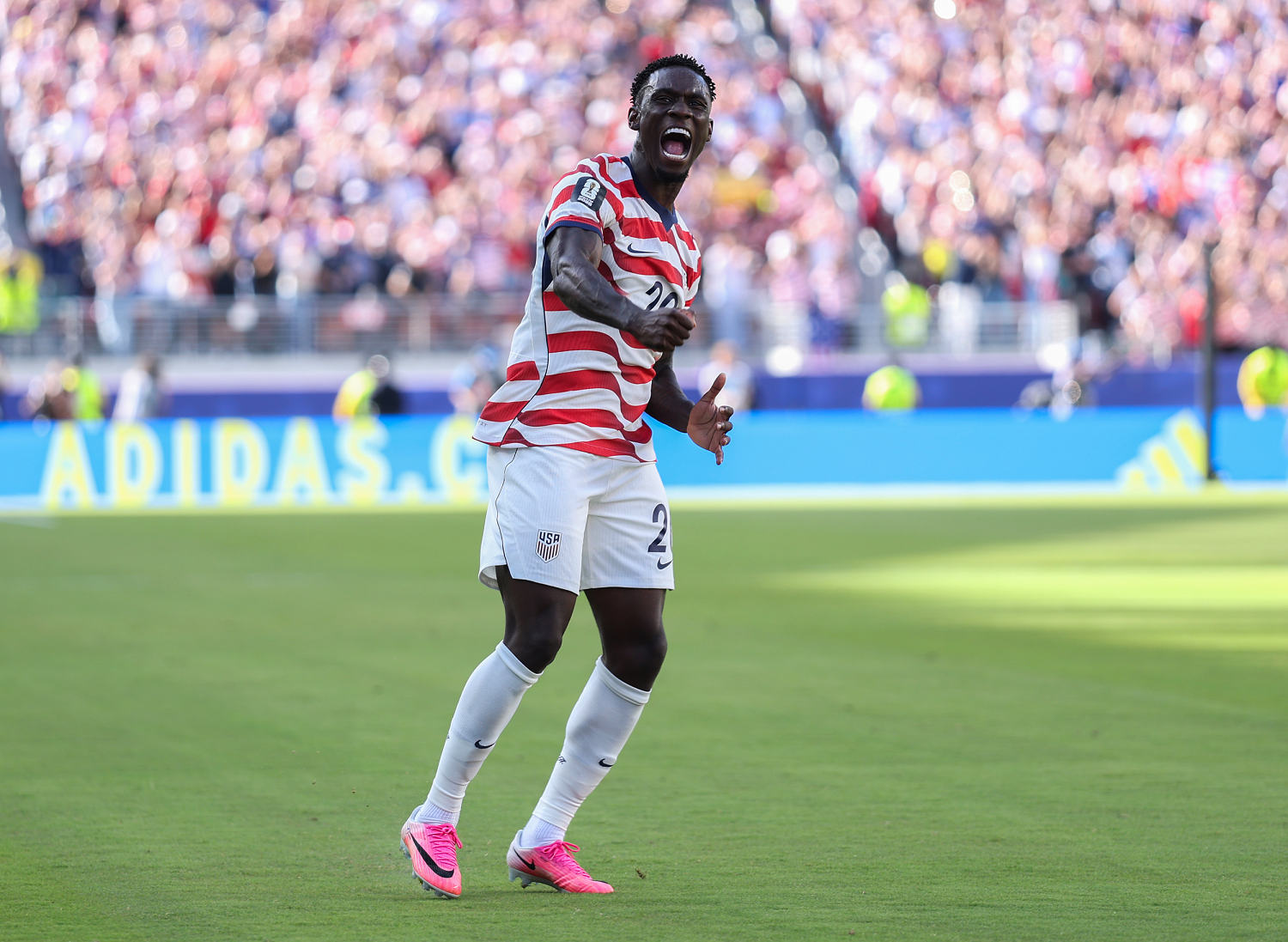
The silence inside a stadium when a red card leaves a referee’s pocket is unlike any other sound in sports. It is a vacuum. For Folarin Balogun, standing on the grass under the searing lights of the World Cup round of 32, that silence must have felt heavy enough to crush him. He had just scored the goal to give his country the lead. Minutes later, a clumsy, accidental stepping of a boot, a dramatic slow-motion replay on the video monitor, and his tournament was over.
Or so everyone thought.
Soccer analytics often treat players like chess pieces, calculating probability and expected goals with cold detachment. But a World Cup campaign on home soil is not a math problem. It is an emotional crucible. When global soccer's governing body stepped in on Sunday to suspend Balogun’s one-match ban, they did not just cite Chapter 4, Article 27 of the disciplinary code. They handed a young striker his career back.
Consider what happens next: a knockout match against Belgium in Seattle. The stakes could not be more immense. For a generation of American fans, the round of 16 has been a recurring wall of heartbreak—exit stages in 2010, 2014, and 2022. To break through that wall without your most lethal attacking threat felt like climbing a mountain without oxygen. Balogun leads the team with three goals in this tournament, chasing historical ghosts like Landon Donovan and Bert Patenaude.
The bureaucracy of sports rarely acknowledges its own capacity for clinical coldness. Usually, once the whistle blows and the report is signed, the machinery moves on. A mistake by a video assistant is treated as an acceptable margin of error, leaving the athlete to swallow the injustice. The legalistic language of FIFA’s statement—mentioning a one-year probationary period where any further infraction instantly revokes the reprieve—masks the profound human drama at play. Imagine the psychological tightrope Balogun must now walk. He has been given a second chance, but he must play the most aggressive position on the pitch while knowing a single mistimed tackle could ruin it all.
This isn’t about rules. It is about a young man who was forced to face the premature end of a lifelong dream, only to be pulled back from the edge by the stroke of a bureaucrat's pen. When the United States takes the field in Seattle, they will not just be playing with eleven men. They will be playing with a striker who knows exactly what it feels like to lose everything, and what it means to get it back.