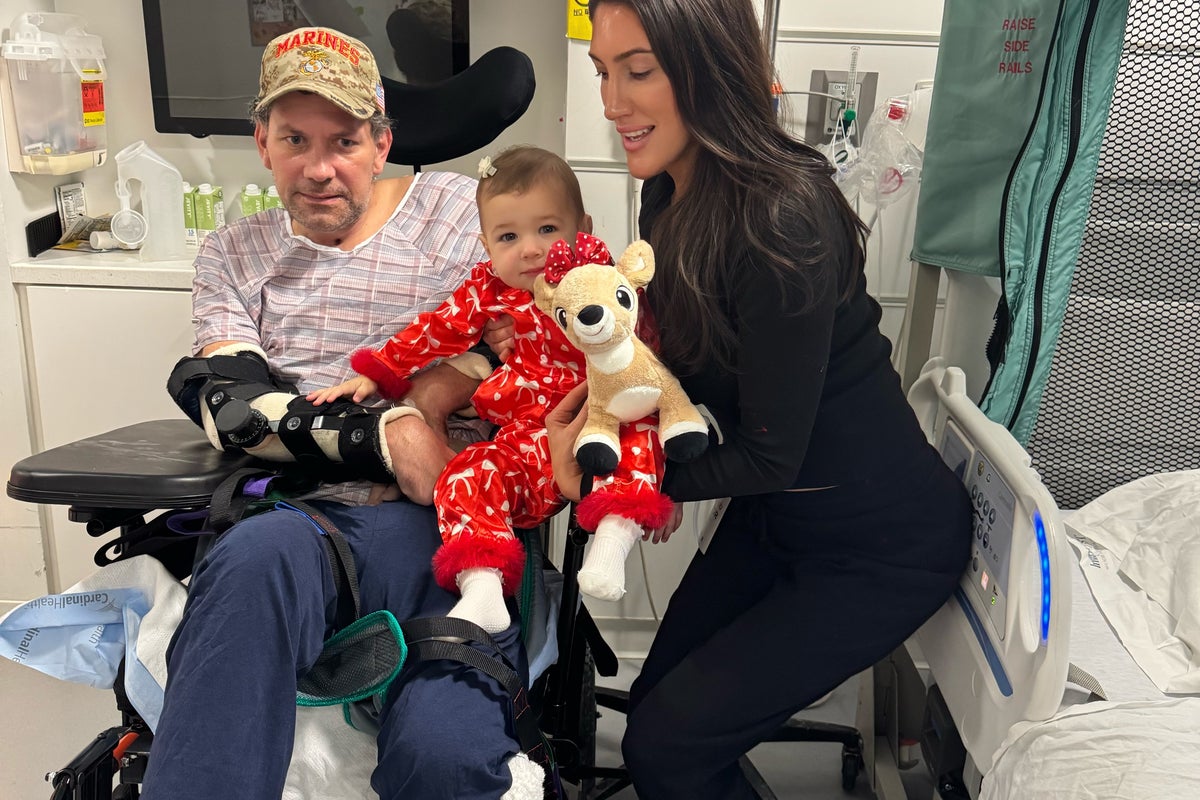
Foodborne illness litigation involving commercial dining establishments follows a highly predictable trajectory. When a consumer experiences acute physiological distress attributed to a specific meal, the distance between the point of ingestion and a formal legal complaint is bridged by a combination of diagnostic uncertainty, strict liability statutes, and regulatory reporting gaps. The legal action initiated by a former firefighter alleging severe neurological injury from raw oysters consumed at a commercial steakhouse provides a structural blueprint for how single-incident food safety failures transform into complex multi-variable lawsuits. Understanding this escalation requires deconstructing the biological vectors of seafood-borne pathogens, the evidentiary burdens of tort law in food contamination cases, and the operational vulnerabilities inherent in high-throughput restaurant supply chains.
The Biosecurity Failure Vector in Raw Molluscan Consumption
Raw oysters present a distinct operational risk profile compared to thermally processed proteins. As filter feeders, bivalves concentrate suspended particles from their surrounding aquatic environment, including organic matter, heavy metals, and pathogenic microorganisms. When water temperatures rise, microbial proliferation accelerates exponentially, turning the animal's internal organs into culture media for opportunistic bacteria and viruses.
The Pathogen Spectrum
- Vibrio vulnificus: A gram-negative, halophilic bacterium naturally occurring in warm coastal waters. While healthy individuals may experience mild gastroenteritis, immunocompromised patients or those with underlying liver disease face rapid systemic invasion, resulting in primary sepsis, necrotizing fasciitis, and high mortality rates within forty-eight hours of symptom onset.
- Vibrio parahaemolyticus: A close relative causing acute, self-limiting gastroenteritis characterized by watery diarrhea, abdominal cramps, and nausea.
- Norovirus: A highly contagious viral pathogen transmitted via contaminated water or infected food handlers, causing acute gastroenteritis with a rapid onset.
The critical variable in commercial service is time-temperature control. Harvesting logs, transport refrigeration, and holding temperatures at the point of sale dictate whether bacterial loads remain static or multiply to infectious doses. In jurisdictions where temperature abuse occurs during transit or storage, the legal liability shifts along the distribution chain from the harvester to the distributor, and ultimately to the final vendor who served the product.
Evidentiary Hurdles in Foodborne Injury Litigation
Establishing causation in a food contamination lawsuit is an uphill evidentiary battle. Unlike a motor vehicle accident where physical debris and electronic telemetry provide objective footprints, a foodborne illness relies heavily on biological sampling, epidemiological tracking, and temporal proximity.
To survive a motion for dismissal, a plaintiff must establish four legal elements: duty of care, breach of duty, causation, and damages. In the context of a restaurant serving raw food, the implied warranty of merchantability and the implied warranty of fitness for a particular purpose establish strict standards of duty. The restaurant warrants that the food is safe for human consumption. A breach occurs simply by serving contaminated food.
The friction point in litigation is not proving the breach, but proving causation. Because incubation periods vary widely depending on the pathogen—ranging from hours for bacterial toxins to days for viral infections—defendants frequently argue that the plaintiff contracted the illness from a different source prior to or following the meal in question.
The Diagnostic Bottleneck
Definitive causation requires stool cultures, blood cultures, or tissue samples identifying the exact pathogenic strain, which must then be matched genetically to leftover samples from the same lot at the restaurant. If the suspect batch has been completely consumed or discarded, the evidentiary chain breaks. Plaintiffs must then rely on clinical diagnosis, temporal correlation, and expert medical testimony. When injuries involve rare complications or long-term neurological deficits—such as those claimed in severe neurotoxic shellfish poisoning or secondary autoimmune responses like Guillain-Barré syndrome triggered by campylobacter or related infections—proving direct lineage from a single plate of oysters demands extensive forensic medical reconstruction.
Operational Vulnerabilities in High-Volume Hospitality Supply Chains
Commercial kitchens operating high-volume raw bars manage a perishable inventory with narrow margins of error. The vulnerability of these systems lies in traceability and handling protocols.
Traceability Gaps
Federal and state regulations require shellstock identification tags to accompany every container of oysters or clams, detailing the harvester's identification number, harvest date, and location. Restaurants must retain these tags for ninety days following the sale of the product. When an outbreak occurs, public health departments use these tags to trace the contamination back to specific harvest waters, triggering mandatory closures or recalls.
However, operational breakdowns occur when:
- Commingling happens, where oysters from multiple tags are mixed into the same storage container, obscuring the precise origin of a contaminated specimen.
- Tag retention logs are maintained manually, introducing human error, missing entries, or delayed record-updating.
- Refrigeration units experience localized temperature fluctuations that go unrecorded by automated data loggers.
Cross-Contamination Dynamics
In a commercial kitchen, the raw bar is often situated in close proximity to cooked food stations or dishwashing areas. Without strict zoning, dedicated utensils, and strict sanitation schedules, pathogens from raw shells can transfer to ready-to-eat foods via employee hands, cutting boards, or wash basins. While this vector typically results in widespread gastrointestinal outbreaks rather than isolated severe injuries, it represents a foundational breach of standard Hazard Analysis Critical Control Point protocols.
The Economic Impact of High-Profile Contamination Claims
When a patron files a high-stakes lawsuit alleging permanent neurological or physiological damage, the financial repercussions extend far beyond the direct legal defense costs and potential settlements.
The immediate cost function includes crisis management consulting, public relations expenditures, and retained legal counsel specializing in products liability and personal injury defense. Concurrently, public health agency inspections trigger mandatory operational audits. If systemic sanitation failures or record-keeping lapses are uncovered, health departments can issue temporary shutdowns, destroying inventory value and halting revenue generation.
The secondary cost is brand equity erosion. In the restaurant industry, consumer trust is directly tied to perceived food safety standards. High-profile litigation generates local and national media coverage, leading to immediate reservations cancellations, depressed foot traffic, and long-term valuation hits. For independent operators, a single catastrophic incident can render the business insolvent within months. For corporate restaurant groups, insurance premiums across all portfolio properties spike significantly following a major payout or protracted trial, altering unit-level operating margins permanently.
Risk Mitigation Architecture for Commercial Food Service
Operators attempting to insulate their enterprises from catastrophic liability cannot rely solely on standard compliance checkboxes. Minimizing exposure requires a proactive risk engineering framework built on three operational pillars.
Real-Time Chain of Custody Tracking
Moving from manual tag retention to digital inventory management systems eliminates traceability blind spots. Scanning shellstock tags into a cloud database upon receipt, automatically linking them to point-of-sale timestamps, and maintaining immutable digital logs ensures that if an incident occurs, the exact source, delivery batch, and service time can be isolated within seconds. This protects the business from generalized liability if the contamination originated upstream at the harvest level.
Environmental Monitoring and Audit Trails
Relying on manual temperature checks twice a day leaves eighteen hours of unaccounted-for variables. Installing continuous wireless data loggers in walk-in coolers and raw bar display cases provides continuous data streams. Automated alerts notify management immediately if refrigeration units drift outside safe thermal parameters. These digital audit trails serve as powerful defensive evidence in court, demonstrating that the establishment adhered strictly to safety thresholds up to the moment of service.
Transparent Disclaimers and Informed Consent
While not a complete bar to liability, clear point-of-sale warnings regarding the inherent risks of consuming raw or undercooked animal proteins shift the consumer awareness baseline. Standardized menu disclosures coupled with explicit staff verbal warnings create an operational record that the consumer understood the inherent biological risks associated with raw mollusks.
The structural integrity of a restaurant enterprise depends on its ability to treat food safety not merely as a regulatory hurdle, but as a core risk management discipline. When protocols fail and litigation ensues, only rigorous data, immaculate logs, and verifiable supply chain tracking can successfully defend the enterprise against catastrophic liability.