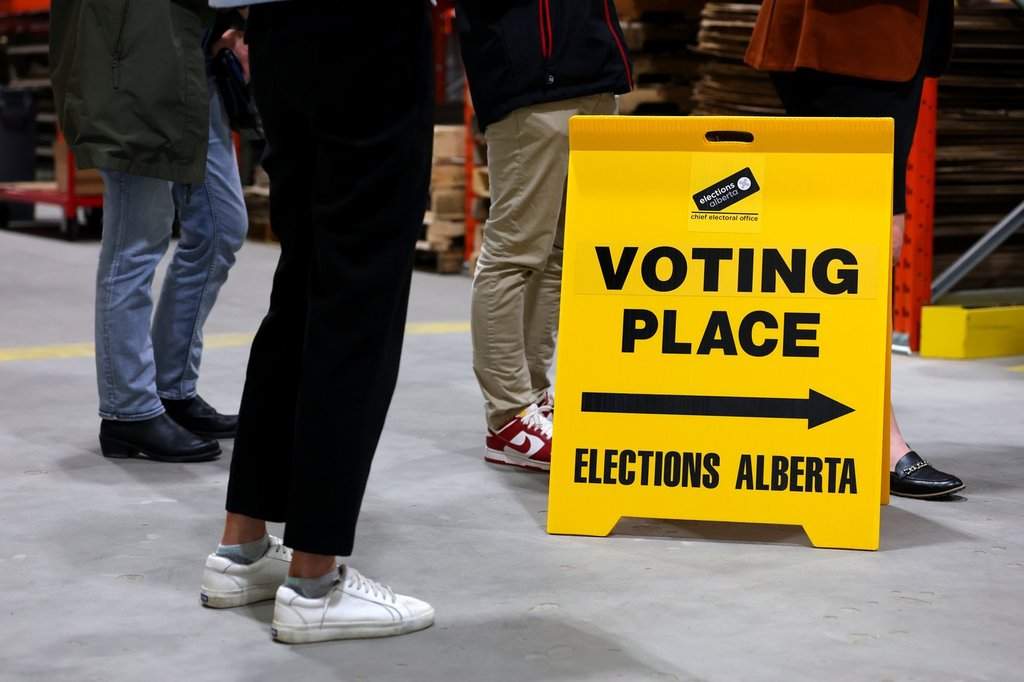
Subnational electoral mechanisms are uniquely vulnerable to external manipulation due to regulatory asymmetries between federal oversight bodies and provincial jurisdictions. When an administrative entity like the Office of Murphy's or the Foreign Influence Transparency Commissioner of Canada confronts systemic vulnerabilities during a contentious provincial vote, the core challenge is not merely identifying bad actors, but quantifying the velocity and impact of unauthorized cross-border capital and messaging campaigns.
The mechanics of external interference in regional votes operate through distinct vectors. Understanding these vectors requires breaking down the threat architecture into three structural components: jurisdictional gaps, ideological alignment loops, and digital amplification infrastructure.
The Three Vectors of Subnational Interference
The first vector is the exploitation of regulatory blind spots. Federal transparency mandates, such as the Countering Foreign Influence Transparency Act, establish registries for individuals acting on behalf of foreign principals. However, enforcement mechanisms often stall at the boundary between national security oversight and provincial electoral administration. Federal watchdogs monitor broad state-level actors, but local or municipal policy debates frequently lack the mandatory disclosure thresholds required at the national level. This creates a regulatory arbitrage window where foreign entities can channel resources through intermediary non-governmental organizations or private advocacy networks without triggering public registries.
The second vector relies on ideological resonance loops. Foreign state and non-state actors rarely create domestic grievances from scratch; instead, they weaponize pre-existing regional discontent. In the context of western Canadian separatism, external commentators and digital networks amplify local economic grievances, energy policy friction, and federal-provincial tax distribution debates. By injecting external validation into these localized talking points, foreign actors accelerate polarization. The objective function is not necessarily to secure a specific electoral outcome, but to fracture the broader constitutional fabric and erode trust in democratic institutions.
The third vector involves automated digital amplification. Coordinated behavior across social media platforms distorts the information diet of the electorate. Astroturfing campaigns utilize bot networks and algorithmic manipulation to inflate fringe separatist discourse, making marginal policy positions appear representative of mainstream consensus. Because digital platforms operate globally, tracing the ultimate origin of micro-targeted advertising and viral narrative engineering remains exceptionally difficult for resource-constrained provincial enforcement agencies.
The Cost Function of Regulatory Enforcement
Enforcing transparency compliance during an active referendum cycle incurs severe institutional costs. Law enforcement and specialized oversight bodies face significant resource constraints, juggling low staff numbers against complex, decentralized digital threats.
When watchdogs issue public warnings or monitor compliance deadlines, they operate under a compressed timeline. For instance, mandatory registration windows for individuals maintaining relationships with foreign principals often collide with the final weeks of an election campaign. By the time investigative bodies audit financial flows or issue administrative monetary penalties, the voting window has closed, rendering retroactive enforcement functionally irrelevant to the democratic outcome.
Furthermore, public transparency reports risk becoming politicized. If an oversight agency flags foreign interference without providing exhaustive, unclassified evidentiary backing, the integrity of the entire electoral process becomes a partisan battleground. Public skepticism rises, and accusations of institutional bias overshadow the factual findings of the watchdog.
Strategic Countermeasures for Electoral Integrity
Defending subnational democratic exercises against sophisticated external influence requires a transition from reactive compliance monitoring to proactive operational hygiene. Jurisdictions facing heightened vulnerability must implement specific defensive protocols:
- Real-Time Digital Forensics: Establish dedicated cross-jurisdictional task forces between federal intelligence agencies and provincial election officers to track and publicly expose coordinated inauthentic behavior within seventy-two hours of detection.
- Friction in Information Distribution: Mandate rigorous provenance labeling for digital political advertising, requiring platforms to verify the geographic origin of funding sources before ads can run on regional feeds.
- Expanded Disclosure Thresholds: Lower the monetary and organizational thresholds for foreign agent registries during active referendum periods, capturing private funding pools directed toward domestic third-party advertisers.
The presence of a foreign influence watchdog is a necessary structural deterrent, but registries alone cannot neutralize asynchronous digital operations. Institutional resilience depends on closing the gap between intelligence collection and public disclosure before polarized electorates head to the ballot box.
The Foreign Influence Watchdog Statement
This official statement outlines the watchdog's mandate and registration requirements regarding foreign influence activities directed at the Alberta referendum.