When law enforcement agencies transition from an active manhunt to a recovery operation, the underlying operational mechanics shift from containment protocols to forensic verification. The discovery of Karen Solomon’s body behind a Worcester rehabilitation hospital marks the conclusion of a multi-day search that paralyzed local neighborhoods and strained regional resources. Her husband, 31-year veteran police officer Kurt Solomon, was found dead in their Wildwood Avenue home, setting off a complex investigative sequence that exposes how acute domestic crises intersect with public safety infrastructure.
The Operational Perimeter and Search Vector Dynamics
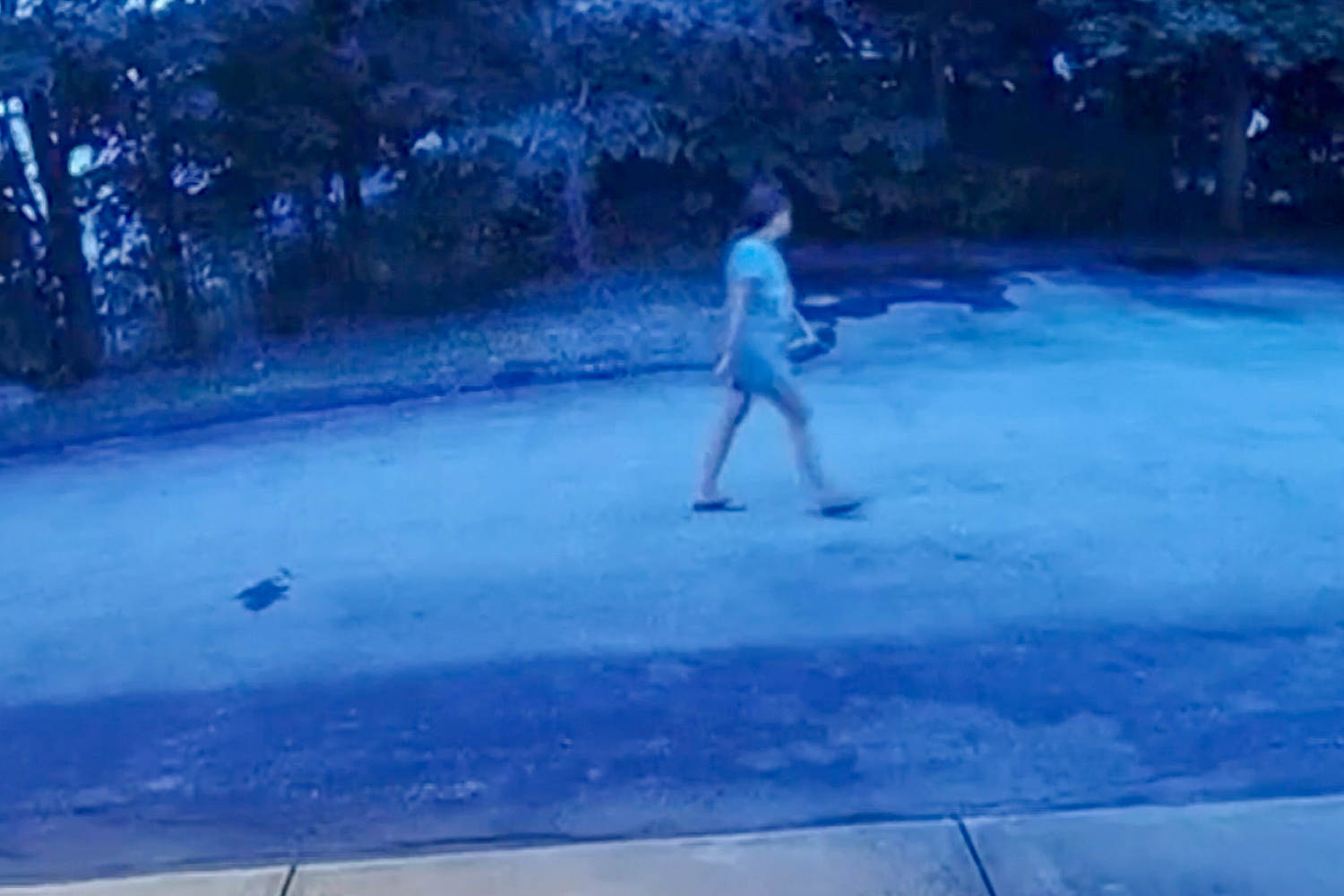
An intensive search operation relies on spatial probability modeling. When Karen Solomon vanished early Tuesday morning, investigators faced an immediate containment problem. Doorbell camera footage placed her within a narrow temporal window, walking away from the primary residence in minimal attire—shorts, a T-shirt, and flip-flops. This established a maximum displacement radius based on human kinetic limits over a specific timeframe, factoring in environmental exposure and physical terrain.
The search grid concentrated heavily on the Coes Pond and Mill Street corridor, incorporating multi-agency assets:
- Aerial reconnaissance via drones and U.S. Customs and Border Protection helicopters
- Aquatic recovery units utilizing boats and professional divers to clear water volumes
- K-9 tracking teams deployed across wooded tracts and urban interfaces
Despite the deployment of advanced tracking technology, the eventual location of the body—discovered roughly a half-mile to a mile from the initial crime scene by civilian hospital employees—highlights a persistent variable in search operations: urban blind spots. Dense brush and uneven topography within immediate proximity to medical and recreational infrastructure often create localized concealment zones that systematic grid sweeps can inadvertently bypass during initial phases.
Forensic Pathologies and the Murder-Suicide Framework
Worcester Police Chief Paul Saucier classified the sequence as a suspected murder-suicide, shifting the analytical focus from suspect apprehension to forensic reconstruction. Kurt Solomon sustained fatal injuries from a sharp object, while the secondary scene yielded a firearm recovered near Karen Solomon's remains, pointing to a self-inflicted gunshot wound.
Establishing motive in high-consequence domestic incidents requires deconstructing behavioral indicators prior to the event. Investigators noted an absence of documented domestic abuse history within the household. This introduces a significant analytical challenge: acute stress-induced violence occurring outside chronic behavioral typologies.
The psychological profile of the principals complicates standard risk assessment models. Karen Solomon was a recognized advocate for first-responder mental health and a co-founder of First H.E.L.P., an organization dedicated to mitigating suicide and psychological trauma within law enforcement communities. This creates a sharp divergence between public professional advocacy and private psychological crisis. The juxtaposition of professional expertise in trauma management with an unmitigated domestic collapse underscores the limitations of institutional frameworks in identifying acute, internal psychological deterioration.
Jurisdictional Coordination and Inter-Agency Mechanics
The investigation required a coordinated response across municipal, state, and federal tiers. The Worcester Police Department operated alongside the District Attorney's office, the U.S. Marshals Service, and Homeland Security.
Multi-agency integration introduces both operational redundancy and communication friction. In this case, the rapid dissemination of surveillance stills via media channels mobilized civilian observation networks, directly supplementing municipal patrols. However, the allocation of federal assets underscores the initial classification of the suspect as armed and dangerous, triggering maximum resource deployment to mitigate potential public safety risks during the active flight phase.
Resource Allocation and Community Impact
The financial and logistical cost of a week-long urban manhunt involves significant diversion of municipal services. Road closures, recreational area shutdowns around Coes Reservoir, and round-the-clock staffing of perimeter checkpoints strain department budgets and deplete patrol availability for routine public safety functions.
The immediate community response—culminating in scheduled wakes and memorial services at local institutions such as Our Lady of the Angels Church—acts as a social stabilization mechanism for a department mourning a veteran officer while simultaneously processing the internal friction of the investigation.
Future institutional adjustments must focus on predictive early-warning systems that bridge the gap between occupational wellness programs and domestic environment monitoring. Departments can mitigate catastrophic outcomes by expanding confidential intervention pathways that account for the intersection of occupational trauma and family dynamics.