The television monitor in the corner of a crowded tea stall in Islamabad flickered, casting a blue glow over faces weathered by decades of shared history and division. On screen, a politician spoke. The words were sharp, calculated to sting, aimed across a border that is both an invisible line and an insurmountable wall.
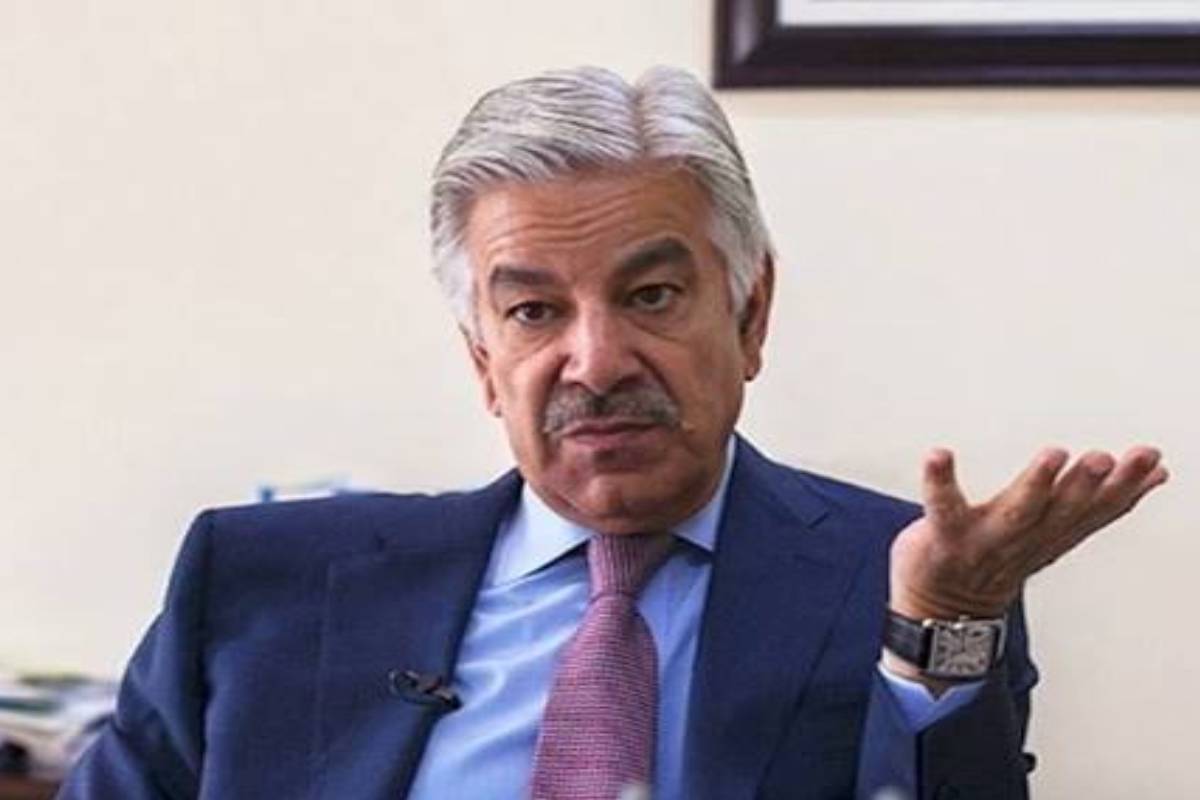
Khawaja Asif, Pakistan’s Defense Minister, was delivering a speech. He took aim at a recent international honor bestowed upon Indian Prime Minister Narendra Modi. His commentary did not just critique policy; it questioned the very validity of the recognition.
Hours later, the response from New Delhi did not arrive via traditional diplomatic cables. It came with the force of an official, public dismissal. Ministry of External Affairs officials in India did not merely disagree. They called the Pakistani Defense Minister "mentally unstable."
Words in diplomacy are rarely just words. They are mirrors reflecting deep-seated domestic anxieties, fractured political landscapes, and the heavy burden of historical rivalry. When state actors resort to calling each other unstable, the veneer of diplomatic protocol shatters, revealing the raw, human friction underneath.
The Weight of the Metal
To understand why a medal sparks a geopolitical firestorm, look at what the award represents to the person receiving it and the public watching. International honors are not just tokens of appreciation. They are stamps of legitimacy on the global stage.
When a country honors a foreign leader, it sends a message to the rest of the world: We validate this path. We partner with this vision. For India, these accolades are proof of a growing footprint, evidence that the global balance of power is shifting eastward. For the average citizen watching the news in Delhi or Mumbai, it brings a sense of national pride, a feeling that the country is finally getting its due.
But cross the border into Lahore or Islamabad, and that same medal looks entirely different.
To a Pakistani leadership grappling with economic turmoil, internal political fractured lines, and shifting alliances, India's growing collection of international accolades looks like encirclement. It feels like isolation. When Khawaja Asif stood up to criticize the award, he was not just speaking to the international community. He was speaking to his own base. He was trying to push back against a narrative of shifting regional dominance.
The Strategy of the Sharp Rebuke
Standard diplomacy dictating measured, cautious language exists for a reason. It prevents escalation. It keeps doors open when windows slam shut.
So, when India responded by calling Asif "mentally unstable," it was a deliberate choice to bypass the standard playbook.
Psychologically, dismissing an opponent as unstable is a tactic designed to strip them of authority. It tells the world: Do not engage with this argument, because the person making it is not rational. It shifts the focus away from the critique of the award and places it squarely on the credibility of the critic.
Consider the reality of the officials drafting these responses. They sit in offices filled with files of past provocations, broken treaties, and cross-border skirmishes. They are hyper-aware of how every word will be parsed by the media. A soft response is often viewed internally as weakness. A hyper-aggressive response can trigger a crisis.
By utilizing the "mentally unstable" label, the Indian establishment chose a path of public devaluation. It was a verbal eye-roll, scaled up to the level of international relations.
The Reality Behind the Rhetoric
Away from the podiums and press releases, the everyday reality for people in both nations remains tethered to these outbursts. The rhetoric filters down. It shapes how a generation views their neighbors. It turns complex geopolitical equations into simple stories of heroes and villains.
The tragedy of the constant verbal warfare is that it obscures the actual human stakes. While politicians debate the mental stability of their counterparts and argue over the validity of international medals, the structural issues facing the region continue to simmer.
- Trade corridors remain blocked by distrust.
- Water sharing agreements are strained by political posturing.
- Families divided by partition continue to navigate bureaucratic nightmares just to visit ancestral homes.
The true reality of Pakistan that India sought to highlight through its sharp dismissal is a nation caught in a cycle of reactive politics. When internal pressures mount—whether from inflation, energy shortages, or political polarization—the oldest, most reliable deflection mechanism is to look across the border and find a grievance.
The Echo Chamber
The internet ensures that these diplomatic insults do not fade away into archives. They become memes. They become viral video clips. They are sliced and diced by prime-time news anchors looking for ratings, amplifying the anger tenfold.
A Pakistani news channel plays Asif’s speech on loop, framing it as a brave stance against regional hegemony. An Indian news channel plays the "mentally unstable" retort, framing it as a decisive takedown of a desperate neighbor.
The viewers consume the narrative that matches their worldview. The gap between the two sides widens, not because of a new border dispute or a military skirmish, but because the language used leaves no room for retreat or reconciliation.
Diplomacy requires a theater where both sides can save face. When the language turns personal, the theater burns down.
The latest back-and-forth over the Modi award is a reminder that the relationship between these two nuclear-armed neighbors is governed as much by emotion, pride, and domestic insecurity as it is by strategy and statecraft. The facts of the dispute are simple: an award was given, a neighbor criticized it, and the recipient nation lashed out in return.
But the human truth is far more complex. It is a story of two nations forever locked in a mirror gaze, unable to move forward because they are too busy reacting to the ghost of every insult thrown across the line.