Dust and Distance
The wind off the Hindu Kush does not care about borders. It carries the bite of winter across jagged stone, sweeping down through the Khyber, spilling into the plains of the subcontinent until it settles over the crowded, humid sprawl of New Delhi. For centuries, this movement was automatic. Traders walked it. Empires fought over it. Poets wrote about the ache of it.
Today, that wind carries something heavier. Recently making headlines lately: The Architecture of Deterrence: Quantifying the Strategic Constraints on Iran's Nuclear Program.
It carries an urgent question.
Across dusty ministry desks in Kabul, officials stare at maps and trade ledgers, seeking a lifeline that goes beyond humanitarian rations and temporary fixes. They want a partnership. A real, durable, political and economic anchor with India. They call it regional stability. They call it shared prosperity. More details into this topic are explored by NPR.
To a diplomat sitting in a sterile conference room thousands of miles away, those phrases sound like bureaucratic parchment. Dry. Hollow. Easily filed away and forgotten.
Step outside the conference room.
Imagine an Afghan merchant named Tariq standing inside his cold warehouse in Kabul. (This is a hypothetical scenario grounded in everyday economic reality, designed to illuminate the human stakes behind high-level diplomacy). Tariq holds a handful of dried figs, inspecting their quality. Once, those figs traveled overland through Pakistan, a route fraught with arbitrary blockades, sudden closures, and exorbitant transit fees. Or they flew out at punishing cargo rates that swallowed his profit margin whole. Every shipment was a gamble. Every border crossing was a small war of nerves.
Tariq does not care about geopolitical theories. He cares about whether his children will eat, whether his workers can feed their families, and whether the dried fruit rotting in his storage room can reach a market before it spoils.
When Kabul calls for stronger ties with New Delhi, Tariq hears a different language. He hears about open trade corridors through Chabahar port. He hears about reduced tariffs, predictable shipping lines, and the quiet dignity of earned income rather than the bitter humiliation of perpetual aid dependency.
The Weight of Geography
History is a heavy ghost.
India and Afghanistan share no physical border, yet they are tethered by an umbilical cord of culture, cinema, language, and trade that stretches back into antiquity. Walk through the bustling streets of Lajpat Nagar in Delhi, often called Little Kabul, and you will breathe it in. The scent of cardamom and roasting lamb. The cadence of Dari spoken over cups of dark, sweet tea. The look in the eyes of exiles and students who left a piece of their heart behind in the valleys of Bamiyan or the gardens of Paghman.
Yet geography has often played a cruel trick on them. Wedged between complex neighbors, Afghanistan has historically struggled to find an independent economic breath. When supply lines constrict, ordinary life suffocates.
Consider the alternative. What happens when cooperation stalls?
Smugglers win. Extremism thrives in the vacuum of empty bellies and idle hands. When a young man in Kandahar or Herat cannot earn an honest wage because trade routes are choked shut, the recruitment posters of desperation begin to look like employment opportunities. Poverty is a radicalizing agent. It is a slow-acting poison that erodes societies from the inside out.
Economic partnership is not charity. It is insulation.
When Indian engineers built the Salma Dam in Herat, or paved roads, or constructed the sprawling Afghan-India Friendship Parliament building in Kabul years ago, they were not just pouring concrete. They were pouring foundations. They were betting on a future where people could flip a light switch, irrigate a field, and watch their children walk to a brick-and-mortar school instead of fleeing down a dusty road.
The Architecture of Tomorrow
Diplomacy often moves at the speed of glacial ice. Speeches are drafted. Press releases are polished. Ambassadors shake hands under chandeliers while flashbulbs pop.
But beneath the pageantry, the stakes are existential.
India’s strategic calculus in Central Asia relies heavily on stability to its west. An isolated, economically collapsed Afghanistan is a security nightmare—a breeding ground for transnational threats, refugee crises, and volatile instability. Conversely, an economically engaged Afghanistan, integrated into regional trade networks through strategic corridors like Iran's Chabahar port, becomes a stabilizing bridge.
It connects the vast mineral wealth and agricultural bounty of Central and South Asia.
Let us look at the numbers through human eyes. When trade volume rises by even a modest margin, it translates directly to thousands of small-scale farmers in Helmand finding a legitimate buyer for their pomegranates instead of turning to illicit crops. It means textile workers in Kabul keep their jobs. It means pharmaceutical imports reach clinics where mothers hold sick infants.
This is the invisible architecture of prosperity. It is built brick by brick, transaction by transaction, policy by policy.
When Kabul urges New Delhi to deepen this politico-economic embrace, it is an acknowledgment of a simple truth: no nation is an island, least of all one recovering from decades of trauma. Isolation is a cage. Partnership is a key.
The Unwritten Ending
The tea in Tariq’s warehouse has gone cold.
Outside, the afternoon sun dips low behind the western mountains, painting the Kabul sky in bruised shades of purple and gold. The dust motes dance in the fading light.
He sets the dried fig down on the wooden table.
Somewhere in New Delhi, a trade attaché reviews a docket marked urgent. A file that proposes new shipping protocols, tariff adjustments, and joint economic frameworks.
The distance between them is measured not in miles, but in political will.
If the leaders in both capitals can look past the immediate noise, past the complex security dilemmas and the tangled webs of regional rivalries, a different story emerges. A story where trade replaces tension. Where commerce builds what conflict tore down.
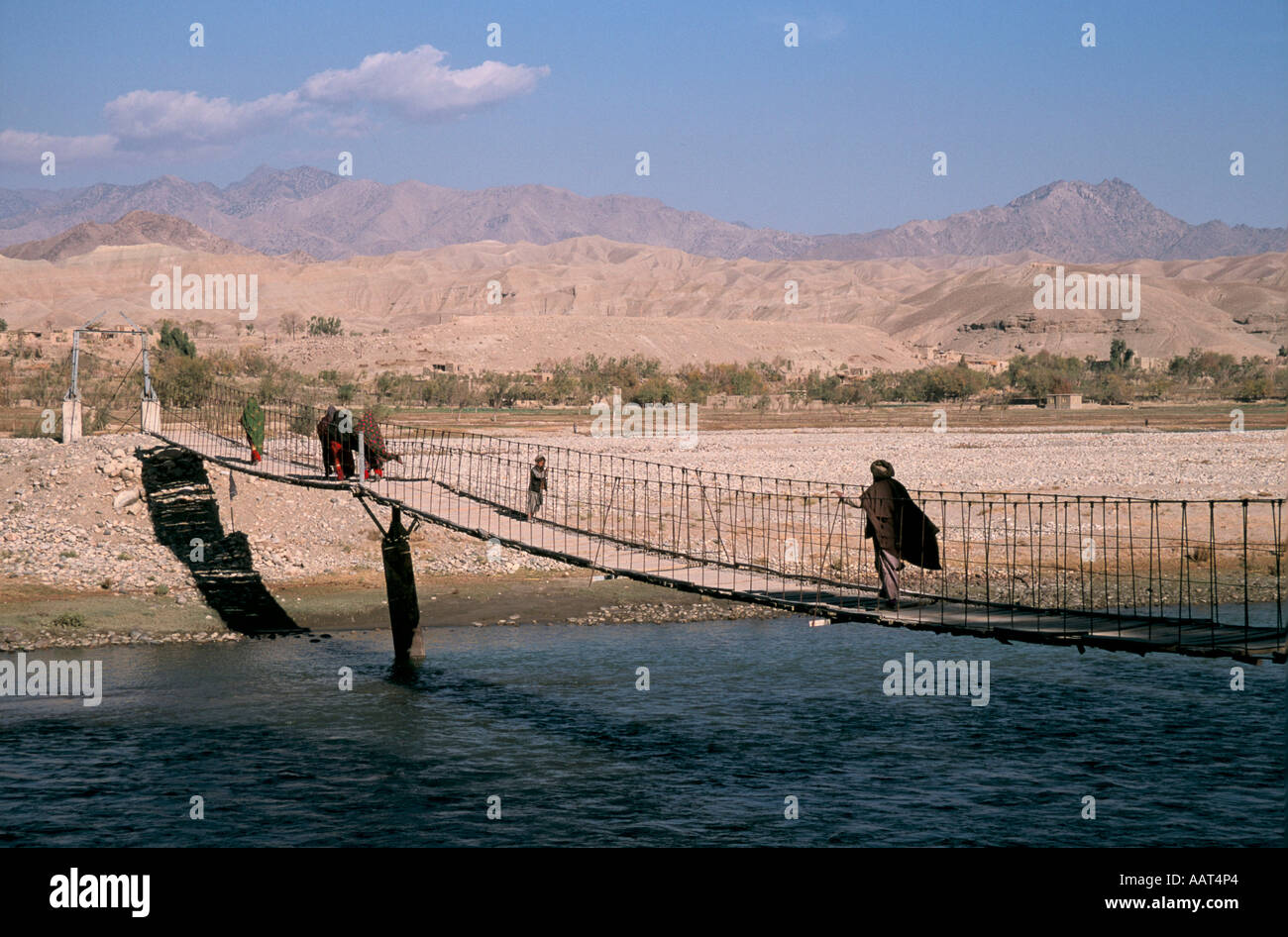
The wind continues to blow off the Hindu Kush, indifferent to protocols and treaties. But down below, in the quiet spaces between the mountains and the plains, the people are waiting to see which way the bridge will swing.