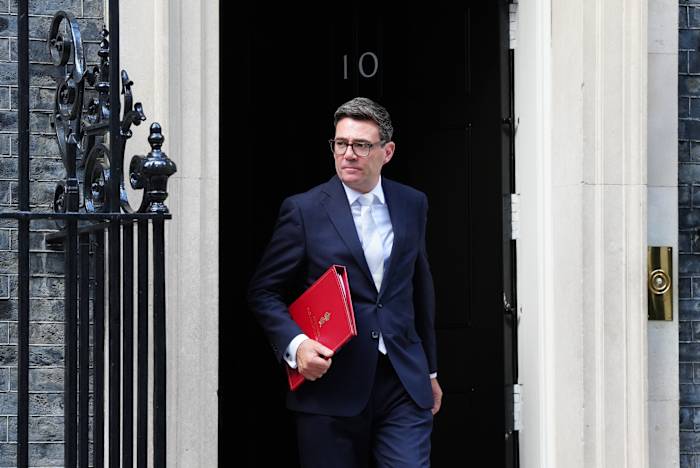
The political commentariat is treating Andy Burnham’s inevitable return to Westminster as the second coming of political salvation. Watch the television pundits and read the glowing broadsheet profiles. They tell you that a charismatic northern mayor sweeping back into the House of Commons to lead the country is the ultimate antidote to national malaise. They argue that local executive competence translates automatically to national legislative dominance.
It is a comforting narrative for people who spend their lives inside the Westminster bubble. It is also completely wrong.
Burnham stepping off the 8:15 from Manchester Piccadilly straight into the chamber is not a triumphant homecoming. It is a walk into a velvet-lined abattoir.
The Fallacy of Executive Nostalgia
The lazy consensus holds that Burnham’s brand of muscular northern localism gives him a superpower that current backbenchers and frontbenchers lack. He stood up to Whitehall on transport. He defended his constituents during lockdowns. Therefore, the theory goes, he will effortlessly bend the entire apparatus of the British state to his will once he commands a parliamentary dispatch box.
This ignores the structural reality of the British constitution. Westminster is not a mayor's office with better upholstery. A metro mayor operates with a clear mandate, executive power, and a relatively streamlined bureaucracy designed to execute specific regional briefs. Parliament is a swamp of institutional inertia, ancient procedural tripwires, and party tribalism designed precisely to crush independent power centers.
I have watched career executives enter Westminster thinking their operational track record matters. Within six months, they are neutralized by the whips office, bogged down by early-day motions, and compromised by the endless horse-trading required to keep a broad coalition of backbenchers from mutinying.
Burnham’s strength has always been his ability to play the outsider standing up to the machine. The moment he takes a leadership badge inside that machine, he becomes the machine. The populist edge that made him popular in Greater Manchester gets blunted by the very machinery he is trying to hijack.
Why Westminster Crushes Outsiders
To understand why this homecoming will backfire, look at the mechanics of modern parliamentary politics.
- The Whip System: Independence of thought is punished with committee exile and blocked legislation. A leader with a distinct personal brand immediately triggers the immune system of the party apparatus.
- Fiscal Constraints: A metro mayor can demand specific funding pots and leverage devolved powers. A national leader inherits a structurally broken fiscal settlement, a stagnant tax base, and public services that require trillions just to stop leaking.
- The Media Meatgrinder: Local media treats a popular mayor with kid gloves compared to the national press corps. Every word Burnham utters will no longer be about regional transport links; it will be weaponized by every faction within his own party looking to secure their own succession ambitions.
The commentators projecting their fantasies onto Burnham are making a fundamental error. They assume political capital is a savings account that accumulates interest. In Westminster, it is a melting ice cube. The moment you walk through those oak doors, the clock starts ticking.
The Alternative Nobody Wants to Discuss
If Burnham genuinely wanted to change British politics, he would stay in the North. Greater Manchester represents a genuine power base outside the suffocating gravitational pull of SW1. By surrendering that executive freedom for a seat on the green benches, he is trading actual authority for the illusion of supreme power.
Power in the twenty-first century does not reside in the House of Commons. Parliament has devolved into a glorified television studio where ritualistic combat substitutes for actual governance. Real decisions are made in fractured regional economies, corporate boardrooms, and decentralized administrative units.
When Burnham makes his debut, watch the faces of the frontbenchers opposite him. They aren't looking at a savior. They are looking at a rival who is about to trade his greatest asset—independence from the Westminster cult—for a front-row seat to his own political containment.
Enjoy the speeches. Savor the media frenzy. Just do not expect the system to break for him. The system never breaks for anyone. It simply absorbs them, digests them, and leaves their reputation behind on the division lobbies.