Johor is heading to the polls on July 11, and the political temperature in the southern state is hitting a boiling point. If you think this is just another routine regional vote, you're missing the bigger picture. The stakes are massive.
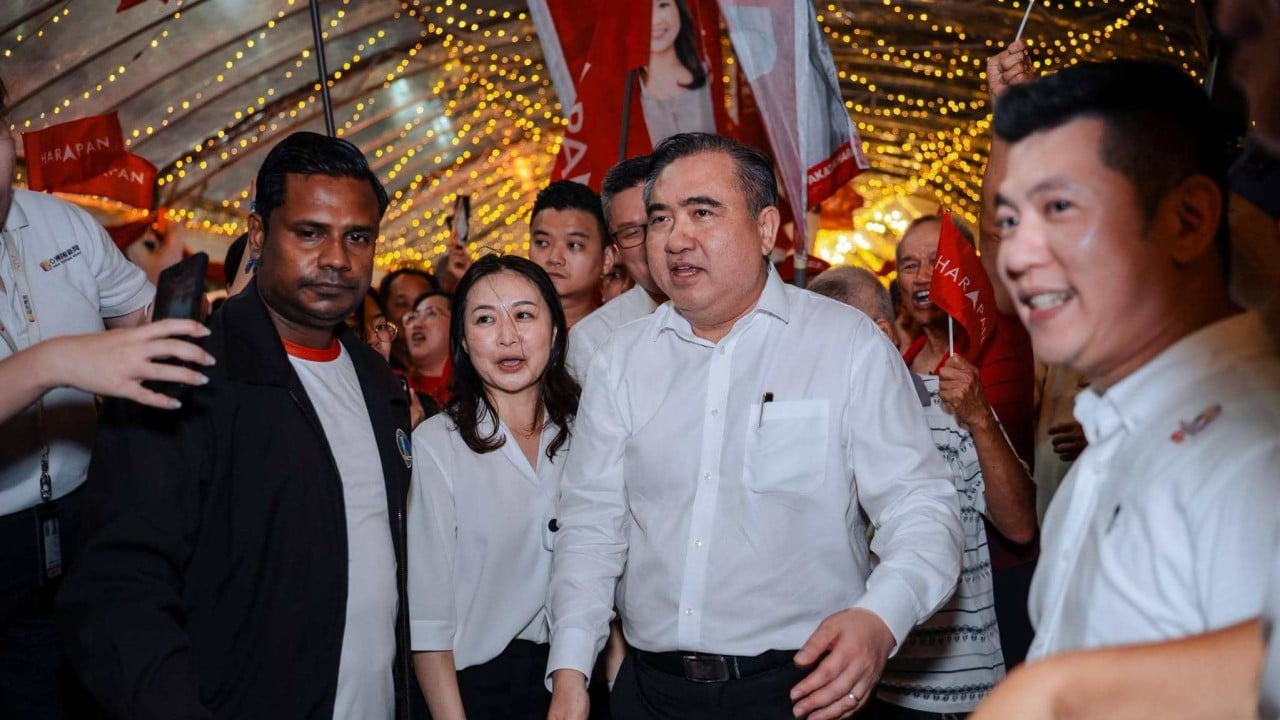
DAP secretary-general Anthony Loke didn't mince words at a recent campaign dinner in Kluang. He flatly warned voters about the dangers of letting a single coalition dominate the state administration. When one party holds all the cards, accountability dies. There's no alternative voice, no real debate, and absolutely no checks and balances.
This isn't just theory. Caretaker Menteri Besar Onn Hafiz Ghazi made a risky power move by deciding that Barisan Nasional (BN) would contest all 56 state seats completely alone. That decision effectively tore up the informal electoral understanding BN had with Pakatan Harapan (PH) at the federal level. By going solo, BN is aiming for total control, leaving its federal "unity government" partners out in the cold.
The Illusion of Unity on the Campaign Trail
Walking around Johor right now reveals a bizarre political reality. At the federal level in Kuala Lumpur, Umno and PH leaders sit in the same cabinet, smile for photos, and run the country together. But down here in Johor, the gloves are completely off. They're fighting each other tooth and nail for every single seat.
Loke's urgent plea to voters isn't just about winning a few seats for DAP or PH. It's about political survival. In the 2022 state elections, a low voter turnout allowed BN to grab a commanding supermajority of 40 out of 56 seats. If they repeat that performance or expand on it now, the current power balance will shift dramatically, not just in Johor Bahru, but across the entire country.
The federal opposition, Perikatan Nasional (PN), seems to have lost its spark in this race. Loke openly pointed out that PN has effectively given up on taking on BN in Johor, fielding candidates in only 33 seats instead of a full roster. This leaves PH as the primary force standing between BN and absolute dominance.
Why Chinese Voters are Shifting
For decades, the Chinese community in Johor served as a reliable base for DAP. That support isn't guaranteed anymore. Voters are growing fatigued by the slow pace of federal reforms and the complicated compromises of the unity government.
Local dynamics have shifted. Take a look at Jementah, a seat DAP won by a tiny margin of just 714 votes back in 2022. During a recent campaign stop, Loke was busy handing out solar panel funds and motorcycle helmets to win over locals. The reception was polite, but the undercurrents are different this time. Voters are looking at bread-and-butter issues rather than grand political ideologies.
The Malaysian Chinese Association (MCA), a key component of BN, is capitalizing on this exact sentiment. They're making a aggressive push to win back urban Chinese seats by focusing heavily on local government performance and economic stability. MCA leaders argue that Chinese voters have become intensely pragmatic, prioritizing the economy and cost-of-living issues over old party loyalties.
The Royal Factor and Local Pride
You can't talk about Johor politics without talking about the palace. The state has a distinct identity, often referred to as "Bangsa Johor." The influential royal family cast a long shadow over political decisions here.
When Onn Hafiz was selected as Menteri Besar over the initially proposed candidate after the 2022 election, it became clear that royal preferences matter. His decision to drop the electoral pact with PH and run solo was widely interpreted as an assertion of local state autonomy, backed by powerful local interests who aren't interested in Kuala Lumpur dictating terms to Johor.
Interestingly, regular voters don't seem overly bothered by this royal influence. For cashiers, boutique workers, and grab drivers in Iskandar Puteri, it's just business as usual. They care far more about whether they can afford their groceries or if the nearby data center boom will actually translate into high-paying local jobs.
The Threat of a Disengaged Electorate
The real enemy for Anthony Loke and PH isn't necessarily Umno or MCA. It's voter apathy.
Look at the numbers from recent years. When turnout plummeted to just over 50 percent in the 2022 state election, BN wiped the floor with the opposition. But during the general election later that same year, turnout jumped to 75 percent, allowing PH to capture 14 out of 26 parliamentary seats in the state.
High turnout favors the opposition. Low turnout plays right into the hands of BN's highly disciplined, traditional machinery. If out-of-state voters working in Singapore or Kuala Lumpur decide to stay home on July 11, Loke's fears of a total BN monopoly will almost certainly become a reality.
Adding to the complexity is the emergence of new political entities like Bersama, led by former economy minister Rafizi Ramli, which could further split the anti-BN vote in crucial marginal seats.
What Happens After July 11
The outcome of this vote will send shockwaves through the national political landscape. If BN scores a massive landslide, it will severely weaken Prime Minister Anwar Ibrahim's position federally. Umno will realize it doesn't need PH to win elections, potentially leading to a collapse of the federal alignment ahead of the next general election.
If you're a voter in Johor, your next moves are simple. Don't treat this as a minor state affair. Check your voting status immediately on the Election Commission portal. Plan your travel well ahead of July 11, especially if you need to cross the causeway from Singapore. Talk to your family members about why a healthy democracy requires a strong opposition to question spending, policies, and governance. Balance is everything, and letting a single group run unchecked rarely ends well for the average citizen. Go out and vote.


