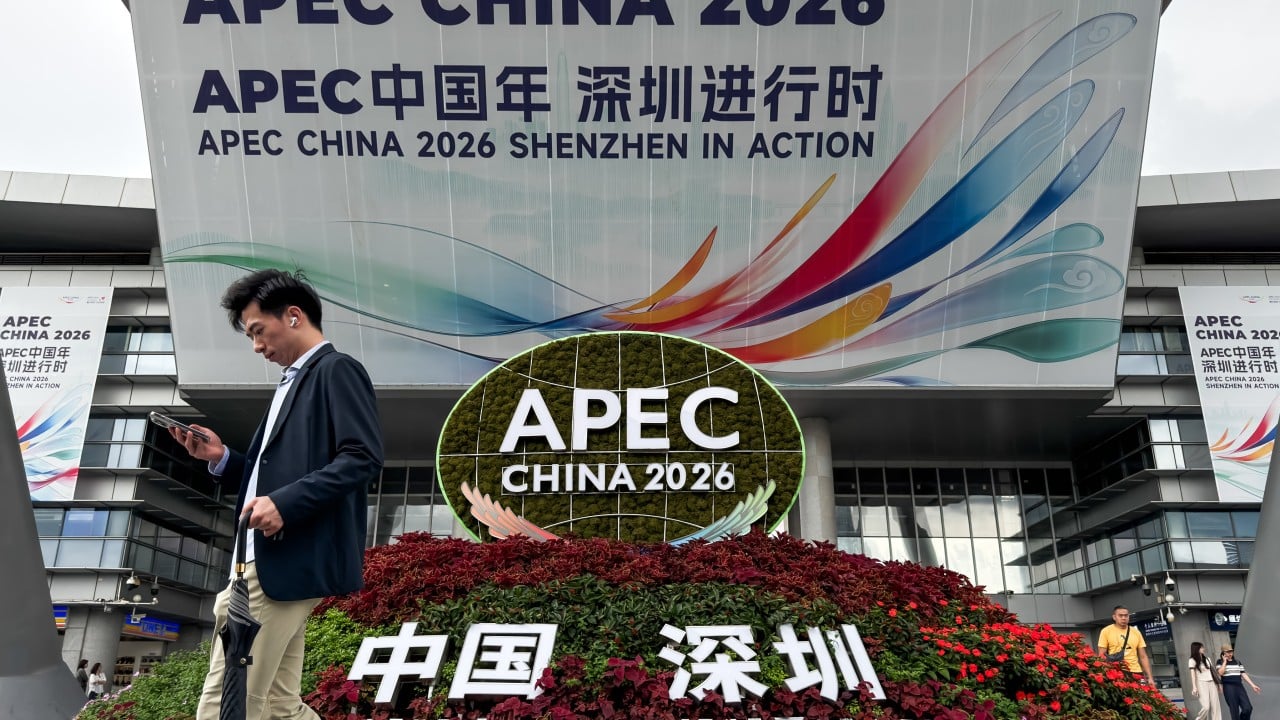
Every diplomatic summit attracts a predictable circus of commentators gasping over handshakes, seating charts, and speculative corridor chatter. The recent media frenzy surrounding Vladimir Putin, Xi Jinping, and Donald Trump allegedly engineering a grand realignment at APEC follows this exact tired script. Observers breathlessly analyze every minor protocol shift as if it signals a tectonic ideological realignment.
This narrative is worse than wrong; it is a distraction from how global power actually operates. If you enjoyed this article, you might want to look at: this related article.
International relations are not negotiated over canapés at a regional trade forum. Leaders do not alter national security doctrines because they exchanged pleasantries under the flash of television cameras. When analysts suggest that a multilateral photo-op can bridge fundamental structural fractures between superpowers, they are projecting their desire for neat diplomatic resolutions onto a chaotic and transactional reality.
The Myth of the Multilateral Breakthrough
The lazy consensus holds that massive economic blocs and multilateral summits serve as the primary engines of diplomatic breakthroughs. This is the exact opposite of reality. Major diplomatic accords are hammered out in subterranean bilateral channels, quiet intelligence exchanges, and economic choke points long before any cameras are allowed into the room. For another angle on this story, check out the recent update from NBC News.
Apec is an acronym-heavy talk shop. Its foundational mandate is trade facilitation and economic cooperation among Pacific Rim nations, not the renegotiation of the global security architecture. Expecting Putin, Xi, and Trump to redraw the geopolitical map in such a venue is like expecting a board game convention to rewrite corporate tax law.
When Trump engages with foreign adversaries or competitors, his playbook is transactional, bilateral, and deeply personalized. He does not negotiate grand multilateral pacts; he seeks deals that play directly to immediate domestic leverage. Xi Jinping operates through long-range structural planning, securing supply chains and resource corridors over decades, entirely unbothered by the performative theatrics of rotating summit hosts. Putin, meanwhile, weaponizes diplomatic isolation to project strength at home, treating every international gathering as a domestic broadcast feed rather than a venue for compromise.
Dismantling the Trilateral Illusion
The underlying premise of the summit rumor mill assumes a convergence of interests between Moscow, Beijing, and Washington that simply does not exist.
Russia and China share a marriage of convenience dictated by Western sanctions and mutual antagonism toward Washington. Yet, their long-term interests in Central Asia, energy pricing, and sovereignty are fundamentally misaligned. Beijing views Moscow increasingly as a junior economic partner—a gas station with nuclear weapons that provides discounted commodities. Moscow knows this, and the resentment runs deep.
Injecting Trump into this dynamic as a potential third partner in a grand bargain ignores his America First protectionism and his administration's historic hostility toward both Russian ambitions and Chinese trade practices. The idea that these three figures could walk into a room and forge a stable tripartite understanding defies every historical precedent of great power competition.
Great powers do not cooperate because they like each other or because a host country arranges seating near a prime window. They cooperate when the alternative is mutually assured destruction or economic ruin. Right now, none of the three capitals sees enough upside in genuine compromise to abandon their adversarial postures.
Follow the Money, Not the Press Releases
If you want to understand where global power is actually shifting, stop reading the transcripts of summit closing statements. Look at shipping insurance rates in the Black Sea. Look at semiconductor export controls enforced by the Department of Commerce. Look at bilateral currency swap agreements bypassing the US dollar.
These are the operational metrics of modern conflict and alignment. They happen quietly, without press releases or photo calls. While pundits hyperventilate over who shook whose hand, supply chains are quietly rerouting, sovereign wealth funds are shedding Western debt, and industrial policies are being weaponized into economic shields.
The fixation on summit theater persists because it provides simple narratives for complex systems. Journalists need heroes and villains, dramatic turning points, and clear resolutions. Geopolitics provides none of those things. It is a grinding, unglamorous contest of attrition, resources, and institutional resilience.
The next time an international forum generates headlines about secret deals and impending summits, remember the basic rule of modern statecraft. Those who are actually cutting deals are not talking about them, and those who are talking about them have nothing to sign.
Stop waiting for the handshake that changes the world. The world is already being changed by people who stopped caring about the cameras a long time ago.