Diplomacy is rarely a matter of grand declarations delivered under the glare of flashbulbs. More often, it resembles a quiet conversation in a room where the air is thinning, conducted by people who have spent decades learning how to mask their exhaustion. You can smell the stale coffee and the weight of history in the hallways of international negotiation. Outside, millions of lives hang in the balance of a syntax choice, a misplaced comma, a stubborn refusal to blink first.
Consider what happens when a door closes for the final time in a generation. Meanwhile, you can explore similar stories here: Inside the Brutal Calculus of Russian Missile Salvos Targeting Civilian Blocks.
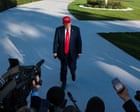
Senator Marco Rubio recently stepped back into the harsh light of public scrutiny to deliver a blunt assessment of a protracted, agonizing stalemate: Tehran, he argued, had systematically let slip multiple historic windows of opportunity to secure a comprehensive nuclear deal. To the casual observer tracking headlines over morning toast, it sounds like standard political posturing. Another accusation traded across an impassioned floor. Another casualty of an endless chess match played in the shadows of the Middle East.
Yet, behind those official statements lies a human tragedy of hesitation, miscalculation, and the crushing momentum of missed timing. To understand the complete picture, check out the recent report by USA Today.
To understand the weight of this deadlock, you have to look past the uranium enrichment centrifuges spinning in subterranean bunkers at Natanz. You have to strip away the complex lexicon of international inspectors, heavy water, and breakout timelines. Look instead at the human cost of prolonged isolation. Picture a family in Tehran sitting around a kitchen table, watching the value of their savings evaporate by the hour, wondering if the next round of sanctions will make essential medicine an impossible luxury. Picture an Iranian technician who entered his laboratory full of idealistic dreams about peaceful energy decades ago, now aging under the suffocating cloud of a state cornered by its own unyielding dogma.
Stalemate is not a neutral state. It is an active weight. It grinds down futures while leaders posture.
For years, successive American administrations and European intermediaries have laid out blueprints for detente. These frameworks were rarely perfect. They demanded painful concessions, awkward compromises, and a bitter swallowing of pride from regimes built on defiance. But they offered an exit ramp. They offered a chance for a nation of nearly ninety million people to rejoin the global economy, to trade freely, to breathe without the boot of maximum pressure grinding into their collective chest.
According to diplomatic insiders and senior lawmakers like Rubio, those moments were not merely ignored; they were actively squandered.
Why? Fear is a powerful architect. When a political structure derives its primary legitimacy from an external enemy, peace becomes an existential threat to the rulers, even as it remains an absolute necessity for the ruled. Every time a reformist voice within Iran tentatively reached for a pen to sign an accord, hardline factions pulled the hand back, whispering warnings of betrayal, weakness, and loss of control. They chose the certainty of struggle over the terrifying unpredictability of normalcy.
And so, the windows slammed shut, one by one.
History is littered with the wreckage of doors left uncrossed. In diplomacy, timing is everything. A compromise that is politically impossible today might have been celebrated yesterday, and will be catastrophically unavailable tomorrow. When leadership lacks the courage to seize a fragile opening, reality steps in to fill the vacuum. Technology advances. Enrichment levels tick upward. Hardlines harden into concrete.
What remains in the wake of these missed opportunities?
Silence. The kind of heavy, pregnant silence that precedes escalation.
As the standoff drags on, the margin for peaceful resolution shrinks to the width of a razor's edge. The rhetoric grows sharper. The military options, once whispered only in the deepest basements of the Pentagon and the Islamic Revolutionary Guard Corps, move closer to the surface of operational planning. Every failed dialogue brings the region one step closer to a precipice where nobody wants to stand, yet toward which everyone seems compelled to march.
We are left watching a tragedy unfold in slow motion. We see the warning signs flashing red on the dashboard, yet the car accelerates anyway, steered by drivers who are terrified of changing direction.
The tragedy of Tehran's hesitation is not just a geopolitical failure. It is a reminder that nations are made of flesh, blood, and time—and time is the one resource that cannot be renegotiated once it has slipped away.