Let's cut straight to the chase. Argentina's push to attract foreign capital through residency and citizenship pathways won't spark a massive buying spree from mainland China or Hong Kong anytime soon.
On paper, the pitch sounds tempting. You get a strong South American passport, access to Mercosur, visa-free travel across Europe's Schengen Area, and some of the cheapest prime real estate per square meter in any major global capital. Buenos Aires is gorgeous. Steak and Malbec cost a fraction of what you'd pay for a mediocre lunch in Central or Pudong. For a different look, check out: this related article.
Yet when you actually talk to cross-border wealth advisors and property brokers working with East Asian clients, the enthusiasm hits a brick wall. The distance is brutal, the currency controls have left deep scars, and mainland China’s strict dual-nationality ban creates a massive legal headache that most wealthy families simply refuse to deal with.
What Argentina Actually Offers Foreign Investors
First, let's clear up a common misconception about how Argentina handles residency and citizenship. Unlike Caribbean nations that sell you a passport in ninety days for a flat donation, Argentina historically hasn't operated a traditional "cash-for-passport" program. Similar analysis on the subject has been published by Forbes.
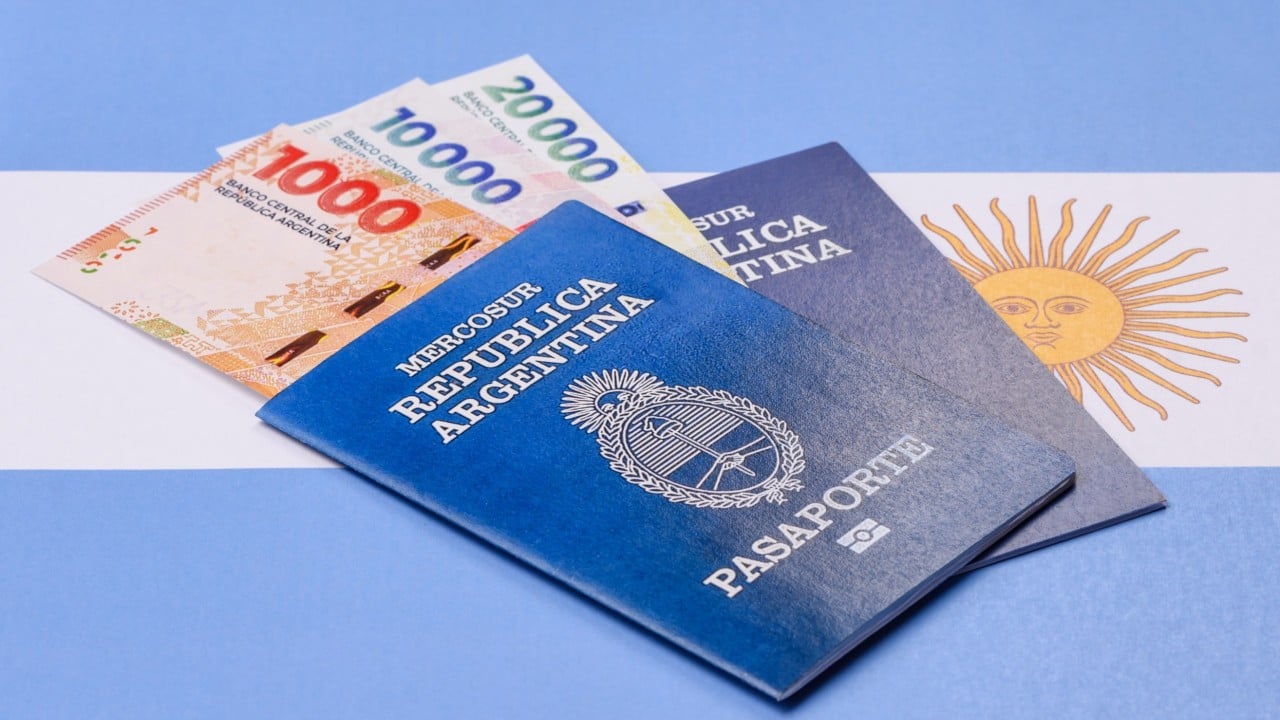
Instead, the country relies on its Rentista and Inversionista (investor) visa frameworks, alongside a famously fast naturalization clock. Under Argentine law, a foreigner who establishes legal, continuous residence for just two years can apply for citizenship through the federal courts. That two-year timeline is one of the shortest on the planet.
Recent reforms under President Javier Milei’s administration have aimed to streamline bureaucratic bottlenecks and welcome foreign investment back into the country. Proposals and regulatory tweaks around investment-linked residency—and broader citizenship-by-investment concepts—have generated plenty of headlines in the international migration press. The core idea is simple: bring hard currency into an economy starved for dollars, buy assets or fund local projects, and fast-track your status.
Real estate in Buenos Aires looks absurdly cheap when priced in US dollars. Luxury apartments in Recoleta or Palermo often trade at prices that wouldn't buy a parking space in Hong Kong's Mid-Levels. For an investor sitting on cash, the math looks like a steal.
The Mainland China Dual Citizenship Roadblock
Here is where theory collides with reality. Under Article 3 of the Nationality Law of the People's Republic of China, Beijing does not recognize dual nationality for any Chinese citizen.
If a mainland Chinese buyer acquires an Argentine passport, they legally forfeit their Chinese citizenship the moment naturalization goes through. Losing your hukou—your household registration—isn't just a symbolic loss. It complicates everything from owning domestic property and holding local bank accounts to accessing healthcare and managing onshore business interests in Shanghai, Beijing, or Shenzhen.
Most high-net-worth mainlanders aren't looking to burn their bridges back home. They want a Plan B, not a permanent exit.
That's why Golden Visas in places like Greece, Portugal, or even permanent residency programs in Southeast Asia have historically crushed citizenship-only plays. Residency gives you an escape hatch and travel flexibility without forcing you to surrender your Chinese passport. A two-year path to Argentine citizenship sounds great until you realize a mainland buyer doesn't actually want the final product if it costs them their domestic status.
Why Hong Kong Buyers Think Differently
Hong Kong residents operate under a completely different set of rules. Because of the city's unique legal framework, Hongkongers can hold multiple travel documents—such as a Hong Kong SAR passport alongside a British National (Overseas) passport or a Canadian passport—without losing their right of abode in Hong Kong.
So the dual-citizenship trap doesn't stop them. Something else does.
When buyers from Hong Kong look overseas for property, they prioritize three things above almost everything else:
- Direct flight connectivity so they can check on assets or visit family without spending thirty hours in transit.
- Predictable tax and legal systems rooted in familiar common-law protections.
- Liquid rental markets denominated in stable currencies like the US dollar, British pound, or Australian dollar.
Argentina fails on all three counts. There are no direct flights between Hong Kong and Buenos Aires. You're looking at long layovers in the Middle East, Europe, or North America just to get there.
More importantly, Hong Kong investors have long memories when it comes to capital controls. For years, Argentina's cepo cambiario—strict currency restrictions—made it notoriously difficult to convert pesos back into dollars and wire rental yields out of the country. Even as Milei’s government works aggressively to dismantle these controls and stabilize the peso, trust takes years to rebuild. Nobody in Hong Kong wants rental income trapped in a volatile local currency twelve thousand miles away.
Moving Money Out of China Is Harder Than Ever
Even if a mainland buyer falls in love with a historic townhouse in San Telmo, getting the money there is a logistical nightmare.
China enforces a strict annual foreign exchange quota of $50,000 per individual. You can't buy a $400,000 apartment in Buenos Aires with fifty grand a year unless you coordinate complex, legally gray transfers across multiple family members—a practice China's State Administration of Foreign Exchange (SAFE) actively monitors and penalizes.
In the mid-2010s, Chinese buyers bypassed these hurdles in markets like Vancouver, Sydney, and London through informal underground banking networks or offshore corporate structures. Those loopholes have largely slammed shut. Cross-border capital scrutiny is tighter today than at any point in the last two decades.
Argentina's banking system adds another layer of friction. Local real estate transactions in Buenos Aires still rely heavily on physical US dollar banknotes changing hands at closing—a quirk born from decades of domestic inflation and distrust of local banks. Try explaining to a compliance officer in Hong Kong or a private banker in Singapore that you need to wire funds into an Argentine escrow structure to settle a deal in physical cash. Most compliance teams will shut down the transfer before you finish the sentence.
The Language and Management Reality Check
Buying overseas property is easy. Managing it from twelve time zones away is where people lose their shirts.
In London, Melbourne, or Toronto, a Hong Kong or mainland buyer can easily hire a Cantonese- or Mandarin-speaking property manager, lawyer, and tax accountant. Entire ecosystems exist in those cities specifically to cater to Chinese landlords.
Buenos Aires has an established Chinese diaspora, largely centered around retail and supermarkets, and a growing Chinatown district in Belgrano. What it doesn't have is a deep bench of bilingual institutional wealth managers, cross-border tax attorneys, and luxury property management firms fluent in Mandarin or Cantonese.
Everything runs in Spanish. Lease agreements, municipal tax filings, building consortium (consorcio) disputes, and court naturalization proceedings require local Spanish-language representation. If a pipe bursts in your Palermo apartment or a tenant stops paying rent, navigating Argentina's tenant-friendly eviction laws from Taipei or Kowloon is pure misery.
What East Asian Investors Actually Do Instead
If you watch where capital from Hong Kong and mainland China actually flows in 2026, the pattern is obvious. Investors aren't chasing exotic passports on the other side of the globe just because the entry price looks cheap.
Instead, they're splitting their strategies into distinct buckets:
- Regional safe havens for liquidity and lifestyle. Tokyo, Osaka, and Singapore continue to absorb massive amounts of Chinese and Hong Kong real estate capital. Flights take three to five hours, property rights are rock-solid, and cultural friction is minimal.
- Established English-speaking hubs for education and generational wealth. Despite higher taxes and stricter foreign buyer rules in places like Australia, the UK, and Canada, families still buy there because their kids go to university there. Property follows education. Very few families from Shanghai or Hong Kong are sending their children to college in Buenos Aires.
- Flexible residency programs without citizenship traps. Programs like Malaysia's revamped MM2H, Thailand's Privilege visas, or European residency permits let buyers keep their primary nationality intact while securing a backup base.
Argentina's real estate market will undoubtedly attract interest from North American remote workers, European retirees, and regional Latin American investors looking to park dollars in undervalued bricks and mortar. Those buyers understand the rhythm of the region, handle the time zone easily, and don't face Beijing's nationality restrictions.
For buyers in mainland China and Hong Kong, though, cheap square footage and a fast passport won't overcome a thirty-hour flight, strict capital controls, and a legal system that forces you to choose between your new passport and your home country. If you're advising clients in Asia on global mobility or cross-border property right now, keep your focus on jurisdictions with clean capital repatriation rules, residency-first structures, and direct flight access—and treat Argentina as a niche lifestyle play rather than a serious wealth-preservation hub.