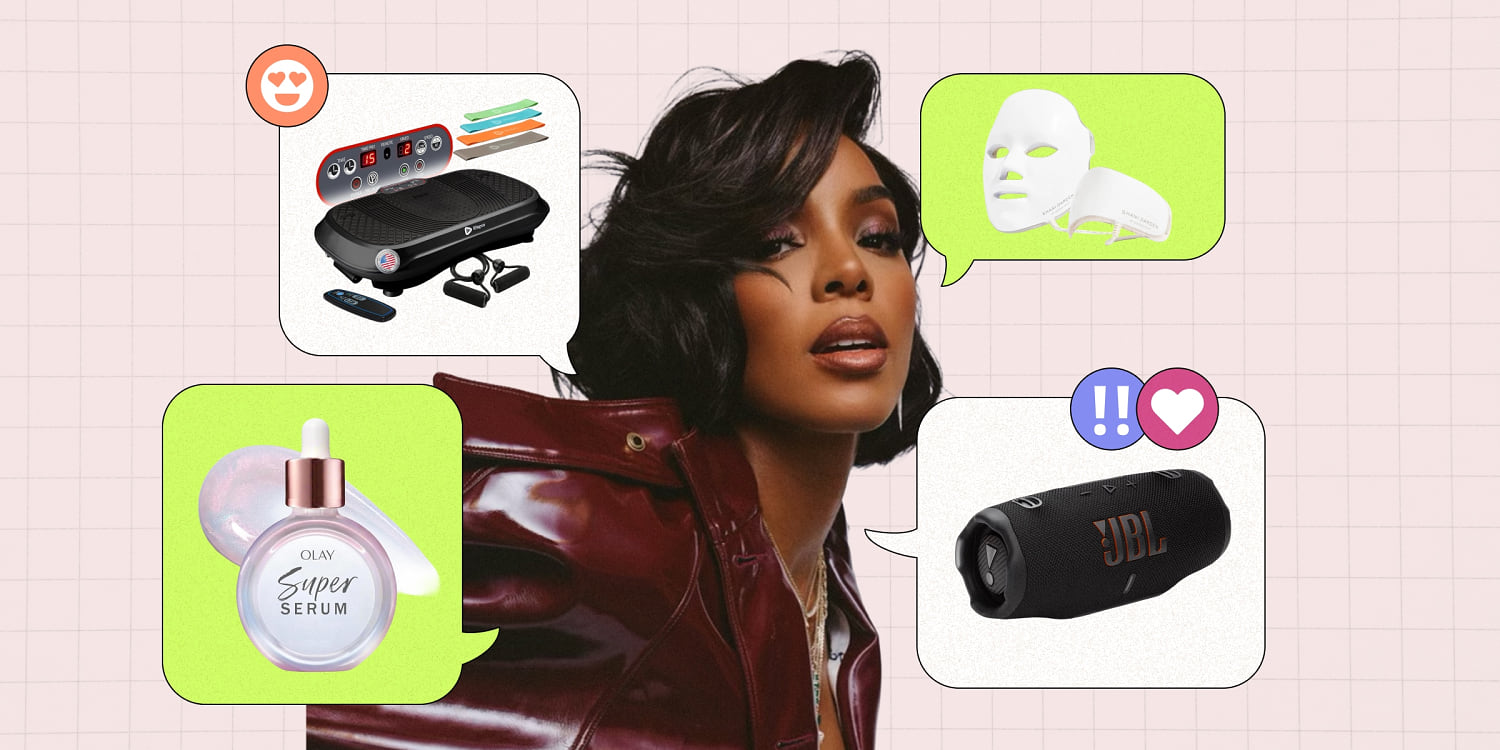
Fame is a strange kind of invisible architecture. From the outside, it looks like a monument of glass and steel—towering, radiant, and entirely out of reach. But stand inside it for long enough, and you realize it is built mostly of mirrors. Every hallway reflects a version of you that other people need to see: polished, composed, and endlessly accessible.
Kelly Rowland knows those corridors intimately.
Most of us first met her through a television screen or a booming stadium speaker, part of a cultural phenomenon that defined an entire era of modern music. Destiny’s Child was not merely a group; it was a juggernaut. Yet, long after the pyrotechnics faded and the stadium lights cooled, the real work of living began. That transition—from the relentless velocity of global superstardom to the quiet, deliberate curation of an authentic life—is rarely captured in headline-grabbing interviews.
We tend to think of celebrities as beings who exist in a perpetual state of performance. We imagine their mornings filled with stylists, their afternoons mapped out by publicists, and their evenings spent under the heavy gaze of the public. But strip away the red-carpet garments and the meticulously lit interviews, and you find something surprisingly ordinary: a mother trying to pack a school lunch without burning the toast, a creative executive negotiating the messy balance between ambition and peace, and a woman who has spent decades learning how to protect her own joy.
Consider what happens when you spend your formative years under a microscope. Every misstep is archived. Every growth spurt is debated. For Kelly, the journey from a teenager navigating the dizzying heights of the music industry to a mature artist and entrepreneur required a radical act of reclamation.
"People forget that behind the album covers and the award shows, there is a literal human being trying to figure out who she is," notes a veteran talent manager who worked closely with major R&B acts in the early two-thousands. (Note: This is a composite perspective based on decades of industry observation regarding child and adolescent stardom.) "The machinery demands perfection. The soul demands honesty. Those two things are constantly at war."
The battlefield of that war is often found in the small moments. It is the decision to turn down a lucrative tour because your children need you at home. It is the courage to release music on your own terms, stepping away from the predictable formulas that major labels love to enforce. Independence is expensive. It costs you guaranteed safety nets, and it trades immediate applause for long-term self-respect.
When you sit down to talk shop with someone who has weathered the storms of the entertainment business for over twenty-five years, you expect industry jargon. You expect talk of monetization strategies, brand synergy, and cross-platform visibility. But what happens instead is far more grounding. The conversation inevitably drifts toward vulnerability.
We talk about boundaries.
In an era where digital connectivity turns every public figure into a 24-hour broadcast, maintaining a private interior life is an act of quiet rebellion. Kelly has spoken openly about the necessity of stepping back—of recognizing that the person on the stage is merely a facet of the whole human being, not the entirety of her worth.
This brings us to a truth that applies far beyond the glittering confines of the music charts. Most of us, in our own smaller spheres, struggle with the exact same friction. We build careers that demand our complete surrender. We wear professional masks until they graft themselves to our skin. We chase metrics of success—titles, follower counts, bank balances—that promise security but often deliver only exhaustion.
We look at people like Kelly Rowland and assume they solved the puzzle. We assume that once you reach a certain echelon of success, the existential dread of being misunderstood simply evaporates.
It does not. If anything, the amplification makes the echoes louder.
The real masterclass isn't in how she achieved multi-platinum status or how she transitioned into acting, writing, and entrepreneurship. The masterclass is in her refusal to let the industry define her humanity.
Think about the sheer resilience required to reinvent yourself publicly. When an artist steps out of a historic group, the world waits for them to fail or to desperately recreate the past. Instead, she carved out a distinct lane, embracing dance-pop anthems, soulful R&B, and independent ventures with equal grace. She didn't try to outrun her history; she integrated it. She took the lessons of her past—the intense discipline, the sisterhood, the rigorous work ethic—and applied them to building a life that feels authentic to who she is right now.
There is a distinct aroma of instant coffee and cold studio air that lingers in the memories of those early recording sessions. Long nights stretched into dawn. The pressure to deliver a hit song was suffocating. Yet, in interviews and candid reflections, she often returns not to the chart positions, but to the laughter shared in dressing rooms, the humbling moments of learning how to use her voice, and the profound support of women who understood her unique burden because they were carrying it right beside her.
Sisterhood, it turns out, is the ballast that keeps the ship upright when the cultural winds blow hardest.
And that is where the narrative shifts from celebrity gossip to universal advice. We all need our circles. We all need those rare, trusted spaces where the performance can finally stop. Where the makeup comes off, the posture relaxes, and you are allowed to simply exist without having to justify your presence to the room.
The gloss of celebrity culture fades quickly when exposed to the elements of real life. What remains—what truly matters—is the quiet integrity with which a person handles their own evolution.
When the cameras finally stop rolling and the interview concludes, the lights in the studio dim. The crew packs up their gear, the publicists check their phones, and the room returns to a profound, ordinary silence. In that quiet, there is no audience to please, no chart position to defend, and no image to maintain. There is only the quiet satisfaction of knowing that, through all the noise and all the mirrors, the person standing in the center of it all is still entirely, unmistakably herself.