October used to belong to falling leaves, the smell of damp earth, and the slow, deliberate winding down of the year. Now, it belongs to the notification.
Ping. Your package has shipped.
We have invented a mid-autumn holiday out of pure air and algorithms. October Prime Day—or whatever corporate banner hangs over the autumn flash-sale frenzy—arrives not with the reverence of a traditional season, but with the sudden, blinding flash of a camera shutter. Millions of us huddle over glowing screens in darkened living rooms, thumbing through digital aisles, hunting for the thrill of the discount.
Take Sarah, for instance. A fictional composite built from a thousand midnight shoppers, Sarah sits on her living room rug at 11:42 PM, surrounded by laundry that needs folding. She is staring at a cart containing a smart thermostat, a pair of noise-canceling headphones, and an obscure brand of air fryer she did not know existed forty-eight hours ago. She does not necessarily need the air fryer. But the red strikethrough price whispers a dangerous promise: You are saving money by spending it.
This is the alchemy of modern commerce. We are not just buying goods; we are buying a momentary antidote to friction.
When the aggregate data rolls in from these massive retail blitzes, the analysts look for numbers. They talk about billions in gross merchandise volume, supply chain velocity, and category dominance. But those metrics are just the skeleton. The beating heart of the story is human desire translated into logistics. What we actually buy during these October frenzies reveals a quiet anxiety about the months ahead.
Look closely at the data sets from recent autumn sales events, and a fascinating behavioral pattern emerges. The items soaring to the top of the charts are rarely frivolous novelties. Instead, they cluster around three distinct psychological impulses: preparation, comfort, and escape.
The Architecture of the Cart
Consider the preparation category. As the northern hemisphere tilts away from the sun, our instincts sharpen. We want to seal the cracks in our nests. Smart home devices, weather-stripping, high-efficiency heaters, and heavy bedding dominate the early hours of the sale. We buy these items because winter is a known adversary. It demands a defense.
Then comes comfort. This is where the air fryers, gourmet coffee beans, and premium loungewear live.
Imagine Mark, sitting in a mid-sized apartment in Chicago. He works remote tech support, a job that requires him to smile through a headset while solving problems for people who are angry at their Wi-Fi. By October, Mark is fraying at the edges. When he scrolls past a deal on an expensive weighted blanket, he doesn't see fabric and glass beads. He sees an embrace. He clicks buy.
We use these purchases to self-soothe. The economy might be volatile, the news cycle might be exhausting, but for thirty-eight dollars, free two-day shipping can deliver a small, tangible piece of comfort directly to the front steps. It is retail therapy elevated to an art form, practiced on a mass scale.
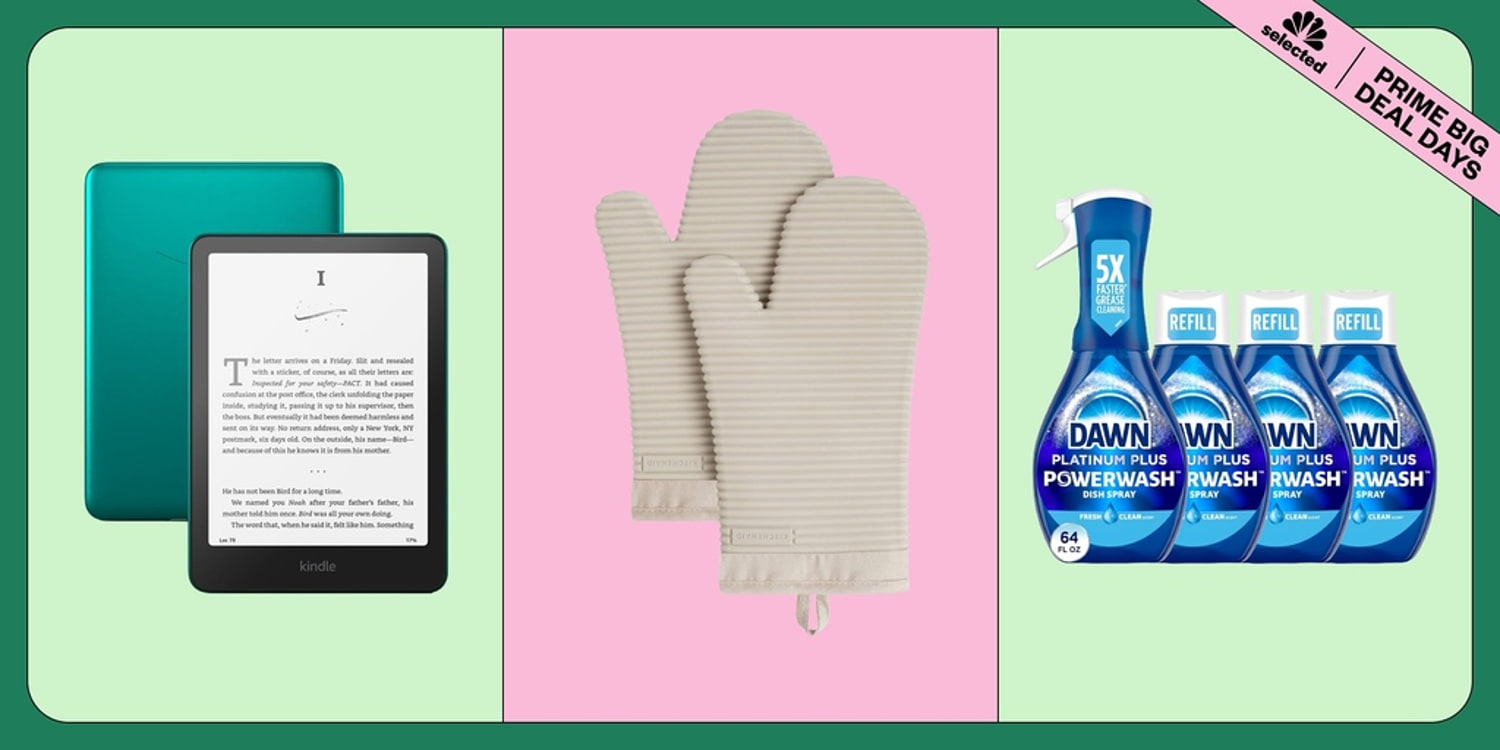
And finally, there is the escape. Books, Kindle devices, board games, and crafting kits spike during these events. We are arming ourselves against the long, dark evenings. We are building a fortress of indoor hobbies because we know that soon, the outdoors will offer little invitation.
The Invisible Engine Behind the Door
None of this happens by accident. While Sarah and Mark are tapping glass screens, an invisible, hyper-synchronized choreography is unfolding across continents.
Think of a fulfillment center in Ohio at 3:00 AM. It is a cathedral of concrete, steel, and amber light. Automated guided vehicles glide across the floor like mechanical ghosts, carrying towers of goods to human pickers whose scanners beep in a rhythmic, hypnotic cadence. Every single item bought during an October flash sale is a command issued to a global network that never sleeps.
We marvel at the speed, yet we rarely consider the human cost of our sudden impulses. The warehouse worker logging a ten-hour shift, the delivery driver navigating suburban cul-de-sacs long after dark, the software engineers monitoring server loads to prevent a catastrophic crash—they are all part of the machinery of convenience.
When we buy a discounted vacuum cleaner at midnight, we are pulling a microscopic thread that stretches all the way across the Pacific Ocean, weaving through cargo ships, customs desks, sorting facilities, and local delivery vans. The modern miracle is not that the package arrives on Tuesday. The miracle is that we are so entirely disconnected from the labor that made it possible.
Why October Owns Us Now
Why did retail giants invent a shopping holiday just weeks before the traditional holiday shopping season even begins?
The answer lies in behavioral psychology and the calendar void. Summer is over; the year’s grand vacations are a memory. Winter’s financial obligations—holiday gifts, travel, end-of-year expenses—are looming on the horizon like a storm cloud. October is the financial twilight zone.
Retailers recognized this psychological vulnerability years ago. By offering a massive discount event right before the squeeze, they short-circuit our budget anxiety. They tell us: Buy now. Beat the holiday rush. Save yourself.
It is a brilliant, manufactured urgency. We rush to participate because we feel the walls of the year closing in. We want to cross things off our mental lists. We want to feel proactive, even if the items we are checking off were invented by a marketing department six months ago.
Yet, to dismiss October shopping as mere corporate manipulation is to miss the deeper truth. We participate because we want to feel a sense of agency. In a world where so much feels out of our control—interest rates, global conflicts, the weather—the ability to choose a new set of bedsheets and track its journey across a digital map gives us a micro-dose of control.
The truck turns down the street. The brakes hiss softly in the crisp morning air. The driver steps out, carrying a brown cardboard box taped shut with corporate logos.
For a brief moment, anticipation hangs in the air. Sarah opens her front door. She picks up the box. As she carries it inside and reaches for the utility knife, she isn't thinking about supply chains, algorithms, or gross merchandise volume. She is just feeling the simple, ancient human satisfaction of provision. The box has arrived. The preparation is complete. The long nights can begin.