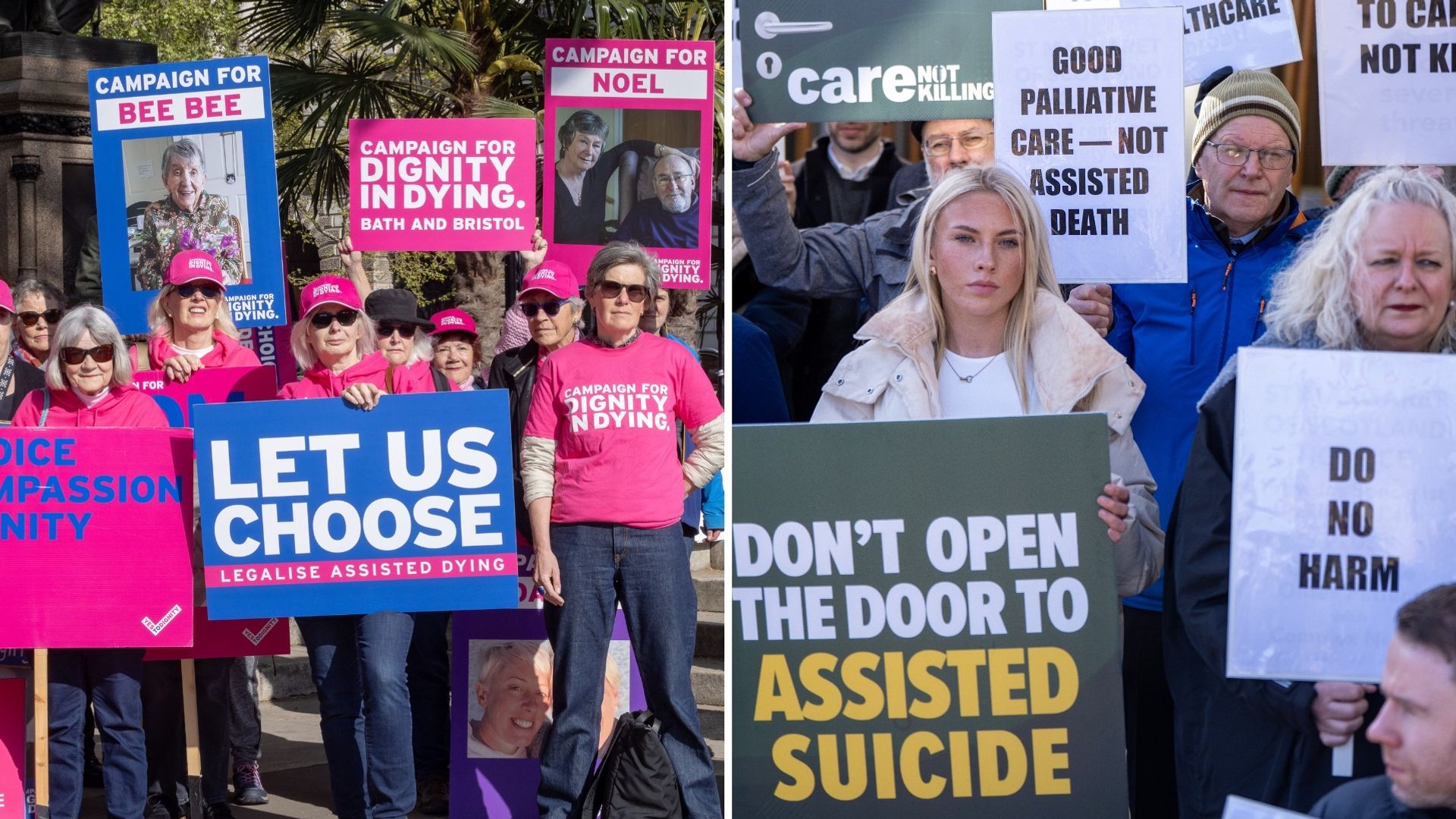
Westminster is once again bracing for a deeply personal and fiercely contested showdown over assisted dying. If you thought the issue was quietly buried after stalling in the House of Lords, think again. The debate is back on the table, forcing Members of Parliament to confront one of the most ethically complex questions of our time.
The core issue remains simple yet polarizing: should terminally ill adults with mental capacity have the legal right to choose the timing and manner of their death? Public opinion polls consistently show overwhelming support for reform. Yet, inside the corridors of power, the path forward is bogged down by intense institutional friction, medical caution, and fierce moral arguments.
The Reintroduction Battle
The legislation is back in play thanks to Labour MP Lauren Edwards, who has seized the baton to reintroduce the Terminally Ill Adults (End of Life) Bill. The previous iteration, originally championed by Kim Leadbeater, managed to clear the House of Commons after intense hours of scrutiny. However, it ultimately ran out of time in the House of Lords after a small minority of peers loaded the text with hundreds of amendments.
Critics of that procedural gridlock argue that an unelected chamber should never frustrate the clear will of elected representatives. Proponents of the bill are tired of watching terminally ill individuals and their families suffer while legislation gets kicked down the road. On the other side, opponents and cautious backbenchers warn against rushing through sweeping social changes without bulletproof safeguards.
Safety Nets Versus Slippery Slopes
The proposed bill outlines strict criteria to keep vulnerable people safe. We aren't talking about a free-for-all. The draft legislation demands that an individual must be a mentally competent adult, registered with a GP in England or Wales, and diagnosed with a terminal illness expected to claim their life within six months.
The bureaucratic and medical hoops are substantial by design:
- Two independent doctors must evaluate the patient separately to verify eligibility and confirm freedom from coercion.
- A multidisciplinary review panel featuring a senior lawyer, a psychiatrist, and a social worker must give unanimous approval.
- Mandatory reflection periods are built into every single step, allowing the patient to change their mind at any point.
- Self-administration of medication is required, meaning medical practitioners are legally barred from taking any direct action to end a life.
Despite these tight guardrails, major medical bodies and disability rights groups remain deeply divided. Some clinicians worry about compromising the foundational doctor-patient relationship. Others argue that no set of legal safeguards can completely eliminate the risk of subtle societal or financial pressure on elderly and disabled citizens.
The Palliative Care Dilemma
Another powerful argument driving opposition is the state of end-of-life care itself. Many MPs point out that hospices are chronically underfunded and access to expert palliative care remains a chaotic postcode lottery.
The sentiment from skeptics is straightforward: Parliament should fix broken social care and guarantee universal access to pain relief before opening the door to assisted dying. Why offer people a choice out of life, they ask, when we haven't properly invested in giving them a comfortable life until the very end?
Proponents counter that palliative care and assisted choice are not mutually exclusive. Pain management cannot alleviate every symptom or stop every agonizing trajectory. For some patients, advanced palliative medicine is simply not enough.
What Happens Next
As the bill faces its upcoming second reading, MPs find themselves trapped between vocal constituents demanding reform and cautious institutions warning of unintended consequences. Talk of utilizing the Parliament Act to bypass blockages in the Lords adds even more constitutional tension to an already volatile mix.
The debate forces a rare kind of political honesty. Because this is a traditional conscience vote, party whips are thrown out the window. Lawmakers must vote entirely based on their personal convictions, lived experiences, and the stark realities facing dying constituents. Whether parliamentarians choose to back the bill this time will depend entirely on whether they believe current safeguards can hold the line.