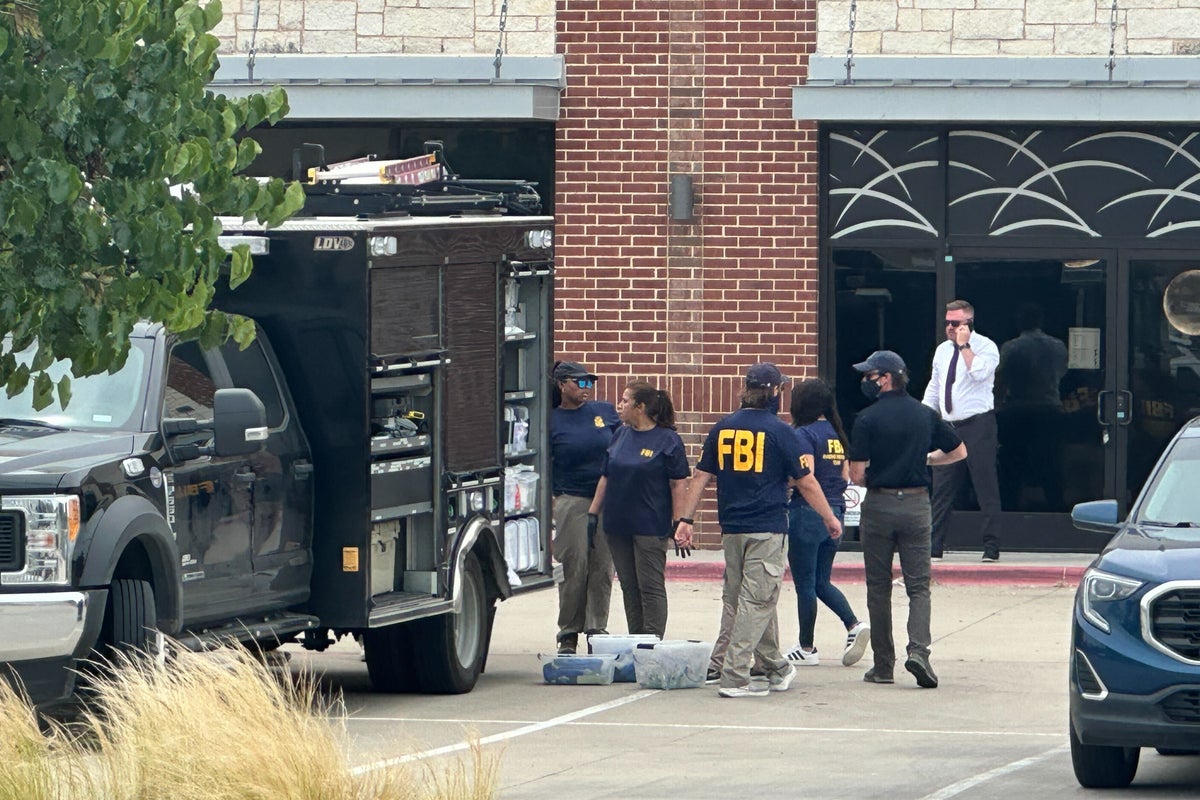
Two people are dead and several others are fighting for their lives after a shooter opened fire near a busy shopping center in Austin, Texas. It happened at the Arboretum, a place usually filled with families grabbing dinner or people checking out the latest tech at the Apple Store. Instead, it became a scene of absolute chaos. Law enforcement flooded the area, sirens drowned out the evening hum, and everyone was left asking why this keeps happening in spaces that should be safe.
When a shooting occurs in a high-traffic area like the Arboretum, the impact ripples far beyond the physical crime scene. It's not just about the numbers or the statistics. It's about the erosion of public trust. People don’t want to look over their shoulders while they’re buying groceries or meeting a friend for coffee. Yet, that's exactly where we are.
What Actually Happened at the Arboretum
The calls started hitting 911 dispatchers late in the afternoon. Early reports were frantic. Callers described hearing multiple rounds of gunfire near a business in the 10000 block of Research Boulevard. Austin Police Department (APD) and Austin-Travis County EMS (ATCEMS) scrambled to the scene.
What they found was grim. Two individuals were pronounced dead at the scene. One of them was the shooter. While the investigation is ongoing, authorities have indicated that the gunman likely took their own life after targeting others. This wasn't a random stray bullet situation. It was targeted, violent, and fast.
In addition to the deceased, two other victims were rushed to local trauma centers with critical, life-threatening injuries. The medical teams at Dell Seton Medical Center have been working around the clock, but when you're dealing with high-caliber wounds, the recovery is never a guarantee. Several other people suffered minor injuries, mostly sustained during the panicked rush to find cover.
The Immediate Law Enforcement Response
APD didn't take any chances. They issued a "reverse 911" call to everyone in the immediate vicinity, telling people to shelter in place. If you've ever been in one of those situations, you know the feeling. The silence is heavy. You're staring at the door, wondering if it's locked tight enough.
Officers spent hours clearing the buildings one by one. They had to ensure there wasn't a second shooter or any explosive devices left behind. While some critics argue that police responses can feel slow on the ground, the protocol for a "warm zone" in an active shooter scenario is incredibly complex. They have to balance speed with the very real risk of walking into an ambush.
The Problem With the Mental Health Argument
Every time a shooting like this happens in Texas, the conversation shifts immediately to mental health. It’s a convenient pivot. It allows policymakers to avoid talking about hardware while appearing sympathetic. But honestly, it’s a tired narrative that doesn't solve the immediate problem of accessibility.
Texas has some of the most permissive gun laws in the United States. You don't need a permit to carry a handgun if you're over 21. While the state has invested more in mental health resources since the Uvalde tragedy, the gap between "identifying a problem" and "preventing a tragedy" is still a mile wide. If we’re going to blame mental health, we have to look at how someone in crisis can get their hands on a weapon in minutes.
Why Large Shopping Centers Are Vulnerable
The Arboretum isn't a mall in the traditional sense. It's an outdoor, sprawling complex. This makes security a nightmare. Unlike a stadium or a high-security office building, there are no metal detectors. There are dozens of entry and exit points.
Security guards at these locations are often underpaid and undertrained. They’re basically there to deter shoplifters, not to engage an active shooter with a tactical advantage. We’re seeing a shift where private developers are having to rethink "defensible space" design. This means more cameras, better lighting, and integrated communication systems that link directly to police headquarters.
Understanding the Impact on the Austin Community
Austin likes to think of itself as a blue dot in a red state—a place that's safer and more progressive than the rest of Texas. But the reality is that the city is struggling with a massive spike in violent crime and a police department that's been understaffed for years.
The relationship between the city council and the police union has been rocky at best. This friction affects response times and morale. When you see a shooting at a landmark like the Arboretum, it hits a nerve because it feels like the city is losing its grip on the "weird but safe" vibe it’s spent decades cultivating.
The Victims and the Aftermath
We often focus on the shooter. We want to know their motive. We want to see their social media posts. But the focus should stay on the victims. These were people going about their Thursday. One minute they’re thinking about what to have for dinner, and the next, their lives are over or changed forever.
Trauma doesn't just go away when the yellow tape comes down. The witnesses who hid in the back of a Cheesecake Factory or a bookstore will carry that with them for years. We don't talk enough about the long-term psychological toll on the survivors and the first responders who have to bag evidence and notify next of kin.
Moving Beyond Thoughts and Prayers
We're all tired of the "thoughts and prayers" cycle. It's a hollow gesture at this point. If you live in Austin or any major city, you need to be proactive about your own safety without living in a state of constant fear.
First, learn the basics of "Run, Hide, Fight." It sounds like a cliché, but it saves lives. If you hear shots, don't stop to take a video. Don't look around to see where it's coming from. Move. If you can't move, barricade.
Second, demand better from local leadership regarding the APD staffing crisis. A city can't be safe if its police force is constantly playing catch-up. Whether you agree with their tactics or not, presence matters. A visible patrol car in a high-density shopping area can be the difference between a shooter choosing a target or moving on.
Lastly, support the organizations that are actually doing the work. Groups like the Texas Gun Sense or local community outreach programs are trying to bridge the gap between policy and reality. They need more than just likes on social media. They need resources.
The Arboretum shooting is a tragedy, but it's also a wake-up call. We can't keep treating these events as "isolated incidents" when they happen every few months. It's time to stop overthinking the politics and start prioritizing the people who just want to go to the mall and come home alive.
Check your surroundings. Know your exits. Stay vigilant.