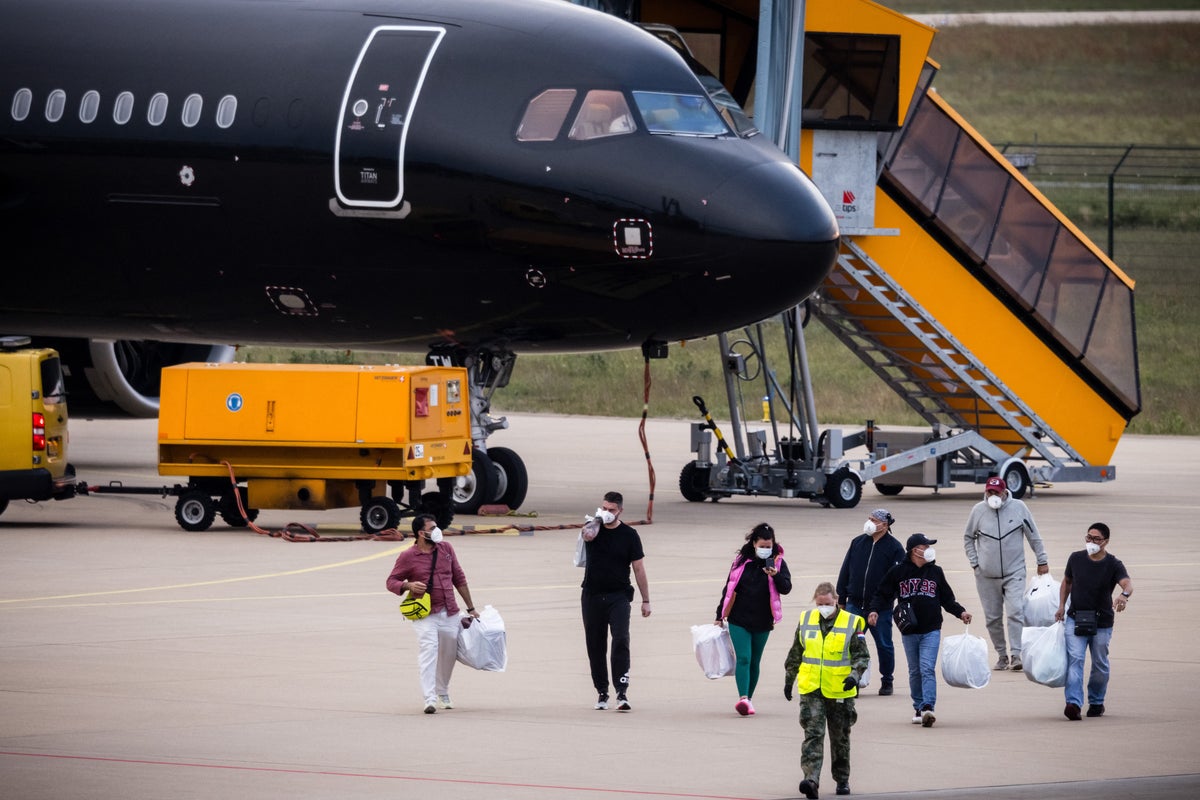
Australia isn’t taking any chances with the hantavirus. While the rest of the world is largely playing a game of "wait and see," the federal government just hit the panic button—or rather, the biosecurity button. On Monday, May 11, 2026, health officials confirmed that six people flying back from a virus-stricken luxury cruise ship will be whisked away to a high-security quarantine facility the moment their feet touch the tarmac.
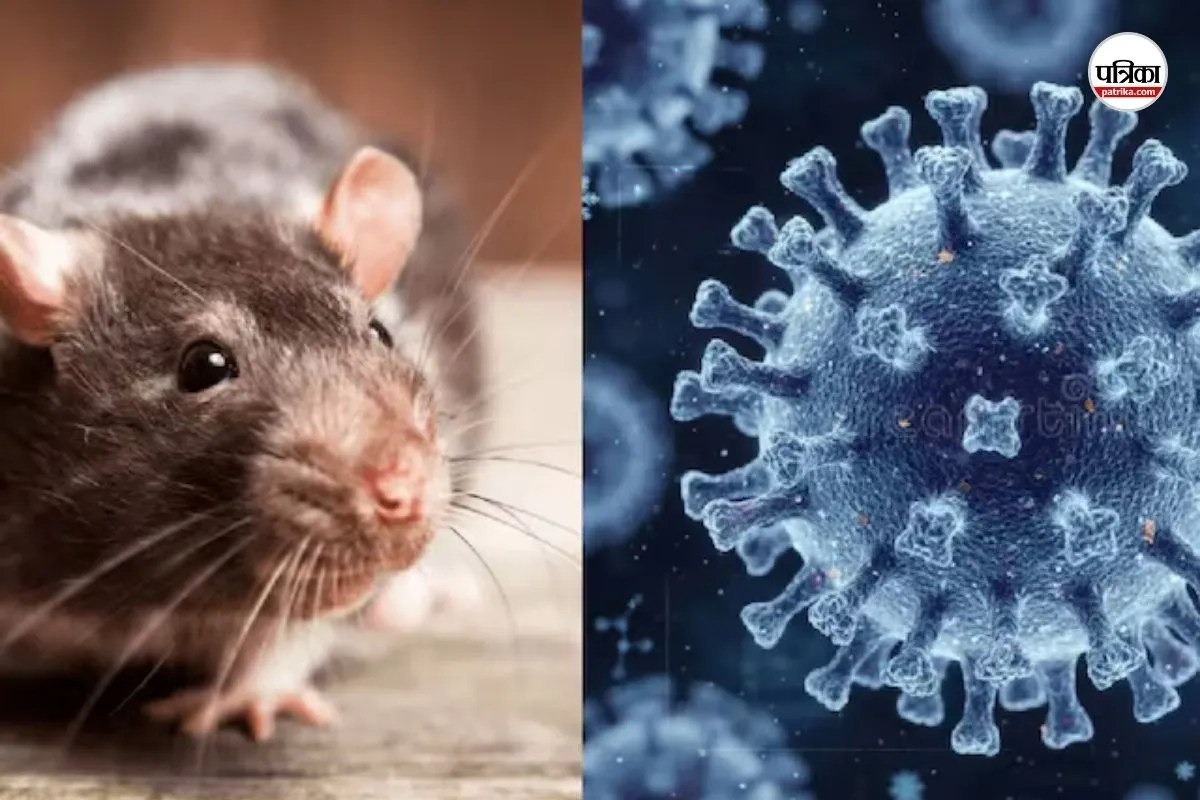
This isn't about some common flu or another COVID-19 variant. We're talking about the Andes virus (ANDV), a nasty strain of hantavirus that doesn't just come from rat droppings—it's one of the few that can actually jump from person to person. With a fatality rate currently sitting at a terrifying 38% in this specific outbreak, you can see why the government is acting like it's 2020 all over again. For a deeper dive into this area, we suggest: this related article.
The Bullsbrook isolation plan
The six returnees—four Australians, one permanent resident, and one New Zealander—won't be heading home to see their families. Instead, they’re being sent to the Bullsbrook Centre for National Resilience north of Perth. It’s a 500-bed facility originally built during the peak of the COVID-19 pandemic.
The plan is remarkably aggressive. These passengers aren't even showing symptoms yet. They’ll land at a RAAF base and be moved directly next door to the facility for a minimum of three weeks. It’s a "lock and key" approach that makes the European response look practically relaxed. In France, they’re only holding people for 72 hours before sending them home to self-monitor. Australia? We’re going full fortress. For broader information on the matter, detailed analysis is available at Medical News Today.
What makes the MV Hondius outbreak different
The MV Hondius, a Dutch-flagged expedition ship, was supposed to be a dream trip to Antarctica and the South Atlantic. It turned into a floating nightmare. The trouble started back in April after the ship left Ushuaia, Argentina.
A passenger who had been trekking through South America likely picked up the virus from environmental exposure—think dusty cabins or rural sheds where rodents thrive. He died on board on April 11. Since then, the virus has claimed three lives, including a Dutch couple and a German national.
Here’s why the medical community is sweating. Usually, hantavirus is a "dead-end" infection. You catch it from a mouse and that's it. But the Andes strain found in South America is the outlier. It can spread through close contact, shared air in cramped quarters, or even just being in the same room as someone coughing up the virus. On a cruise ship where everyone is breathing the same recycled air, that’s a recipe for a disaster.
The 42-day ticking clock
Health Minister Mark Butler hasn't minced words about why this is happening. The incubation period for hantavirus is incredibly long—up to 42 days. You could feel perfectly fine for a month, then suddenly develop a fever, muscle aches, and fluid in your lungs.
"Our primary responsibility is to keep our community safe. We’re taking a precautionary approach because the long flight from Tenerife on a small plane increases the risk of transmission."
Basically, if one person on that charter flight has the virus, the close proximity in the cabin for 20-plus hours makes it highly likely others will catch it. A three-week stay at Bullsbrook is just the first phase. Butler hasn't ruled out extending that stay if the data changes.
Symptoms you shouldn't ignore
If you’ve been traveling in South America or were on an expedition cruise recently, you need to watch your body like a hawk. Hantavirus starts like a typical bug, but it goes south fast.
- Phase 1 (The mimic): High fever, crushing fatigue, and muscle aches (especially in the thighs and back).
- Phase 2 (The emergency): About four to ten days later, the real trouble starts. Shortness of breath, coughing, and the sensation of your lungs filling with liquid.
There’s no "cure." No magic pill. Doctors can only provide supportive care—ventilators, hydration, and sometimes dialysis. Early intervention is the only thing that moves the needle on survival.
Is the risk overblown
The World Health Organization (WHO) says the global risk is "low," but for those on the ship, they’ve rated it as "moderate." Honestly, the "low risk" label feels like a bit of a PR move to prevent a travel industry meltdown. If you're an Australian health official, you don't look at a 38% death rate and "moderate" risk and decide to play it cool.
Australia is now listing hantavirus under the Biosecurity Act. This gives the government the legal teeth to force people into quarantine. It’s a heavy-handed move, but when you're dealing with a virus that has a one-in-three chance of killing you, being "polite" isn't the priority.
What you need to do now
If you're planning a trip to South America or an expedition cruise, don't cancel your flights just yet, but change how you act.
- Avoid the dust: If you’re staying in rural cabins or sheds, don't just sweep up. Use a disinfectant and a wet mop to keep particles out of the air.
- Seal your gear: Keep food in airtight containers so you don't attract the local rodents.
- Monitor your timeline: If you’ve returned from the region within the last six weeks and feel "flu-ish," tell your doctor exactly where you’ve been. Don't wait for the cough to start.
The passengers from the MV Hondius are currently the final group to leave the ship in Tenerife. Once that charter flight lands in Western Australia, the clock starts. We'll know in about 21 to 42 days if this was a genius move or a massive overreaction. Given the stakes, I'd bet on the former.