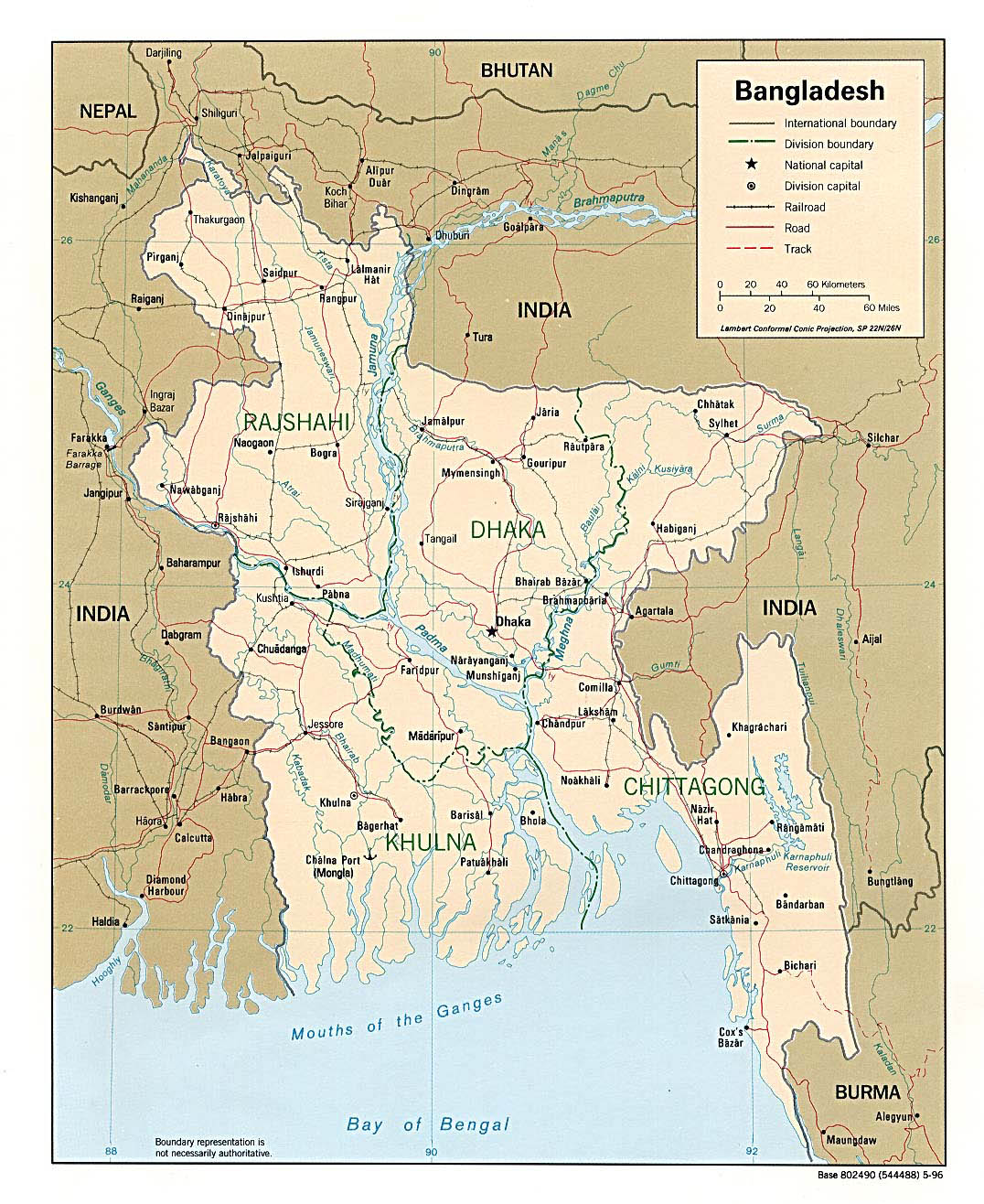
Factory floors in Dhaka and Gazipur don't run on press releases. When garment owners and worker representatives finally shook hands on implementing Bangladesh's new minimum wage structure starting December 1, the headlines made it sound like a neat, tidy resolution to months of industrial friction. It isn't.
I've spent years analyzing global apparel supply chains, and if there's one thing I know for certain, it's that agreeing to a wage hike on paper is the easy part. Actually absorbing a 56.25% jump in entry-level pay—moving the floor from 8,000 taka to 12,500 taka ($113)—without triggering massive order cancellations or factory closures is where the real stress test begins. In similar news, we also covered: The Real Reason the BRICS Carbon Market Partnership Is Stalling (And How to Fix It).
The core reality is simple. Starting December 1, every export-oriented ready-made garment (RMG) factory in Bangladesh is legally bound to roll out the revised five-grade wage structure finalized by the government's Minimum Wage Board. Both the Bangladesh Garment Manufacturers and Exporters Association (BGMEA) and major labor federations agreed to this timeline after weeks of intense protests, tragic casualties, and disrupted production lines across key industrial zones like Ashulia and Savar.
Why December 1 Became the Hard Line
You can't separate this agreement from the chaos that preceded it. Throughout late 2023, garment workers took to the streets demanding a 23,000 taka monthly minimum wage, arguing that runaway inflation in Bangladesh had destroyed their purchasing power. Basic staples like rice, lentils, and cooking oil had doubled in price since the last wage review in 2018. The Economist has also covered this fascinating topic in great detail.
Factory owners initially countered with a 10,400 taka proposal. Workers rejected it flat out. Protests escalated, factories shut down, and global fashion brands started getting nervous about holiday and spring inventory delays.
The government stepped in through the Minimum Wage Board and brokered the 12,500 taka compromise—roughly $113 a month at prevailing exchange rates. To sweeten the deal and prevent further unrest, the board also restructured the grading system, collapsing seven grades into five and raising the annual increment rate from 5% to 5% on the basic salary alongside adjustments to house rent and medical allowances.
December 1 wasn't chosen at random. It aligns with the start of the winter production cycle, giving factories a narrow window to recalibrate their payroll software, renegotiate Cost of Making (CM) rates with Western buyers, and get workers back on sewing lines before peak spring shipments.
Breaking Down the Numbers Inside the New Pay Scale
Most coverage stops at the headline 12,500 taka figure. That misses how payroll actually works on a Bangladeshi factory floor.
Under the revised structure, a worker's gross salary isn't just one flat number. It's split into a basic wage, a house rent allowance (set at 50% of the basic wage), a medical allowance, a transport allowance, and a food subsidy.
Here is why that split matters so much to both sides. Overtime pay—which makes up a massive chunk of a garment worker's actual take-home income—is calculated strictly on the basic salary, not the gross figure. When the board raised the gross minimum wage to 12,500 taka, the basic portion was set at 6,700 taka.
Workers immediately spotted the catch. While the gross figure jumped by over 56%, the basic salary increase was proportionally tighter, which caps how fast overtime earnings grow during peak shipping months. Union leaders pushed back hard on this exact ratio during the final negotiations, but factory owners held firm, arguing that a higher basic rate would bankrupt mid-sized subcontractors.
What Most People Get Wrong About Factory Profit Margins
If you've never looked at a garment factory's balance sheet, it's easy to assume owners are hoarding massive profits while starving their workforce. Some large conglomerates certainly have deep pockets. Most don't.
Bangladesh's RMG sector is wildly fragmented. Out of roughly 3,500 active export factories, the top 20% are massive, LEED-certified green complexes with automated cutting machines and direct relationships with brands like H&M, Zara, and Gap. The bottom 50% are tier-two and tier-three factories operating on razor-thin margins—sometimes as low as 2% to 4% per garment.
When wages jump 56% overnight, labor costs—which typically account for 12% to 18% of a garment's total Free on Board (FOB) price—surge immediately. If a factory was making a 3% net profit on a basic cotton t-shirt, an uncompensated wage hike pushes that order straight into the red.
Owners agreed to the December 1 rollout largely because the BGMEA and the Bangladesh Knitwear Manufacturers and Exporters Association (BKMEA) received assurances from major international buyer coalitions—including the American Apparel & Footwear Association (AAFA) and the Fair Labor Association—that brands would factor the higher wage floor into their purchasing prices.
Will brands actually pay up? History says only some of them will. Big European retailers with strict ESG mandates usually adjust their CM rates by a few cents per piece. Fast-fashion discounters, on the other hand, quietly shift orders to cheaper hubs or demand "efficiency discounts" six months later to claw back the increase.
The Hidden Trap of Grade Restructuring
Collapsing the old seven-grade system into five grades sounds like a smart administrative cleanup. On the ground, it creates immediate friction.
In the old system, senior machine operators with five or eight years of experience sat in Grades 3 and 4, earning noticeably more than a fresh helper in Grade 7. Under the new five-grade layout, thousands of mid-level operators found their pay bumped up only slightly above the new entry-level floor.
When a veteran operator who sews complex collars all day realizes she's earning barely 1,500 taka more than a brand-new helper trimming loose threads, resentment builds fast. Experienced workers feel their skill premium has been wiped out. Smart factory managers are already quietly adding internal "skill allowances" on top of the statutory grades just to keep their best line leaders from walking out the door to a competitor down the road.
Inflation Is Still Eating the Raise Alive
Let's look at the math from a worker's kitchen table in Gazipur.
In 2018, 8,000 taka was worth roughly $95. By late 2023, the Bangladeshi taka had depreciated sharply against the US dollar, dropping from around 84 taka per dollar to over 110 taka. Even at 12,500 taka, the new wage sits at roughly $113—a real dollar-term increase of less than $20 over five years.
Meanwhile, food inflation in Bangladesh hovered near 12% through much of 2023 and 2024, according to data from the Bangladesh Bureau of Statistics (BBS). Rent for a single concrete room with a shared bathroom in industrial suburbs like Tongi or Narayanganj quickly rose by 1,000 to 2,000 taka the moment landlords heard about the minimum wage announcement.
That's the brutal reality of wage hikes in concentrated industrial zones. Landlords and local market vendors capture a huge slice of the raise before workers even see their second paycheck. Unless factories expand subsidized ration shops—selling rice, oil, and lentils at wholesale prices directly inside factory gates—a big chunk of this December 1 raise will evaporate into local rent inflation.
How Global Buyers and Sourcing Teams Should Respond Now
If you source apparel from Bangladesh, treat December 1 as a compliance deadline, not the end of the story. Your supply chain risk hasn't vanished; it has just shifted from street protests to quiet financial distress among your suppliers.
First, audit your open purchase orders immediately. Ask your tier-one suppliers for a transparent breakdown of how the 12,500 taka structure impacts their CM costs on styles shipping in Q1 and Q2. If you squeeze a supplier on price right now, they will either cut corners on safety maintenance or subcontract your order to an unapproved, non-compliant workshop to survive.
Second, verify payroll implementation in January, not December. December's wages are paid out in the first seven working days of January under Bangladesh labor law. Have your compliance teams check actual bank transfer records and mobile financial service (MFS) logs—like bKash or Nagad—rather than trusting paper payslips. Ensure senior operators received fair upward adjustments across all five grades, not just entry-level helpers.
Finally, push your suppliers to expand worker ration programs and on-site grocery subsidies. Giving a worker 500 taka worth of subsidized staples costs a factory far less than a wage hike, avoids payroll tax overhead, and protects workers from local landlord price-gouging far better than cash alone ever will.