Festivals are supposed to be about community, food, and loud celebrations. But when a government has to deploy heavy security and issue direct state guarantees just so a religious community can worship in peace, something is deeply broken.
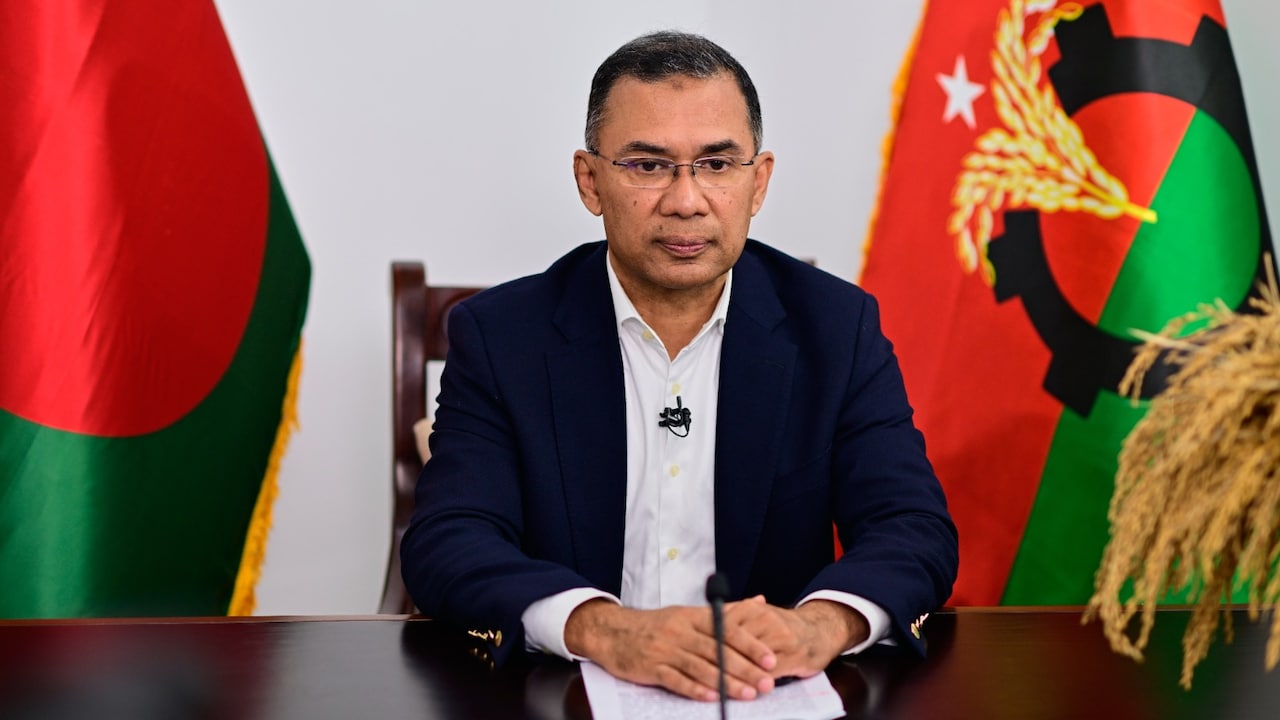
That is the reality that played out in Dhaka. Ahead of Sharadiya Durga Puja, Bangladesh Prime Minister Tarique Rahman stepped forward to urge the Hindu community to celebrate without fear, explicitly stating that every citizen deserves safety regardless of their religious identity.
Words are easy. Historical context makes them complicated. Let's look at why these assurances matter, what the administration is actually doing on the ground, and why minority safety remains a recurring flashpoint in South Asian politics.
The Weight of State Assurances
When Prime Minister Tarique Rahman met with Hindu community leaders and later issued public statements ahead of the festival, he didn't just offer polite holiday greetings. He had to draw a hard line.
"Religion is a personal matter, but the state belongs to everyone," Rahman noted, pressing local administrations to keep a tight lid on potential unrest.
The government backed those statements with concrete policy changes. Authorities approved a three-day official holiday for Durga Puja, which stretched into a five-day break when combined with regular weekend days. Financial support also saw a bump, with the Prime Minister personally handing over a 5 crore taka grant through the Hindu Religious Welfare Trust.
Yet, the very fact that thousands of puja mandaps require round-the-clock monitoring cells, police coordination, and emergency lighting reveals an underlying tension.
Why Durga Puja Security Is Always a High-Stakes Test
To understand why security is such a massive undertaking, you have to look at how quickly local disputes can spiral out of control. In previous years, unverified rumors spread across social media have triggered sudden waves of violence against minority temples and homes.
Because digital misinformation moves faster than police response times, every major religious festival becomes an anxiety-laden stress test for the administration. Minority organizations watch closely to see if government promises translate into actual deterrence. Arrests after an attack are helpful, but preventing the spark altogether is the real challenge.
This year, tens of thousands of individual puja locations operated across the country. Securing every single neighborhood pavilion requires immense logistical muscle from law enforcement agencies working alongside local volunteers.
Moving Past Routine Assurances
Every autumn brings a familiar cycle: high-level meetings, promises of foolproof security, and official calls for communal harmony.
While state funding and extended holidays are welcome steps, the ultimate metric of success isn't how many security personnel are deployed. It's whether religious minorities can celebrate without needing heavy protection in the first place.
Until public safety feels completely ordinary rather than extraordinary, leaders will keep having to make these urgent guarantees before every major holiday. True pluralism means the state protects your right to celebrate without having to announce it as exceptional news.