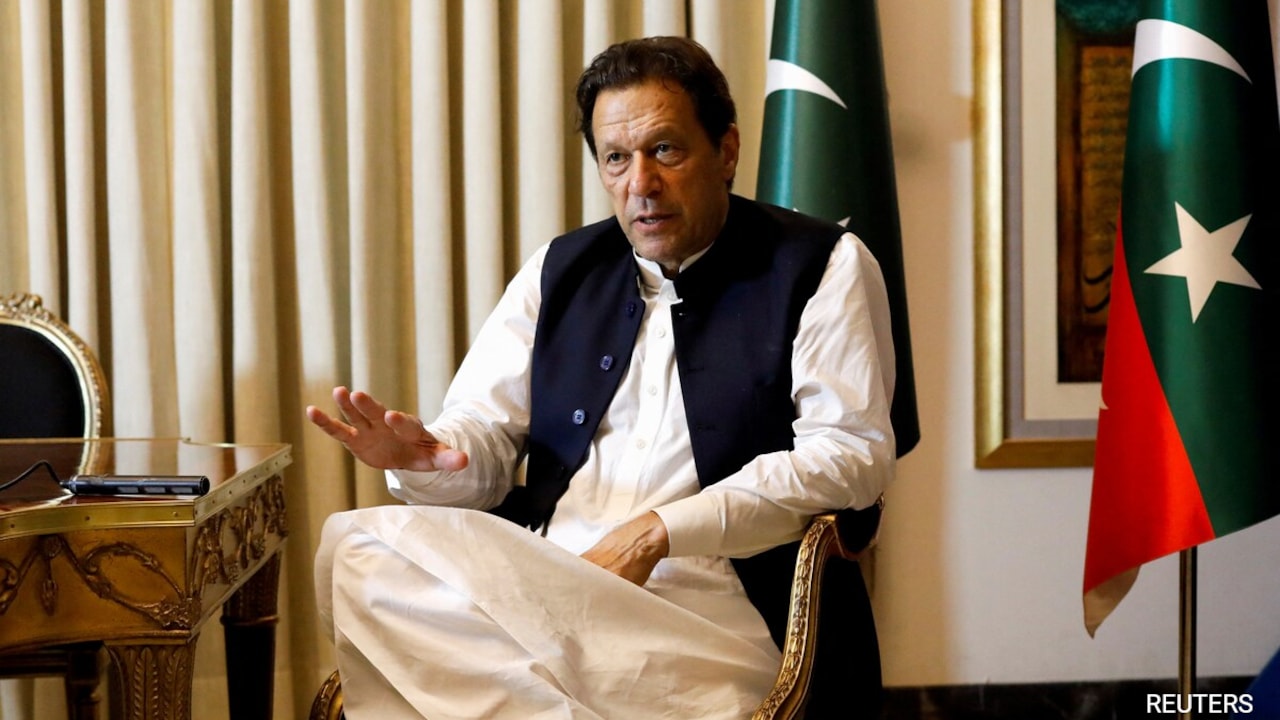
Jailed former prime minister Imran Khan sits at the center of another major political storm in Pakistan. This time, the battleground isn't parliament or the streets. It's inside the courtroom and outside the gates of a private healthcare facility.
For months, his family, legal team, and party members have raised alarms over his health in Adiala Prison, pointing specifically to an eye ailment that sparked widespread concern. When the Supreme Court stepped in with an order to move the 73-year-old politician to Islamabad's Shifa International Hospital, it looked like a breakthrough. Cabinet ministers initially promised compliance, but the situation quickly shifted. The government filed review petitions, arguing that sending a high-profile convicted prisoner to a private facility creates a dangerous legal precedent.
The Medical Controversy and Legal Pushback
At the heart of this dispute is a fundamental clash between prison regulations and judicial intervention. Under standard Pakistani legal frameworks, convicted prisoners receive medical treatment within state facilities or prison infirmaries. State officials argue that deviating from this rule opens the floodgates for thousands of inmates seeking private care.
Yet the Supreme Court bench emphasized that constitutional protections for health and safety must override rigid administrative norms. The court ordered a specialized medical board—including Khan's personal physician, Faisal Sultan—to conduct a thorough evaluation.
Government reports paint a contrasting picture of his condition. State authorities submitted medical summaries claiming that multiple check-ups by leading specialists have shown significant improvement in his right eye, with vision nearly returning to normal. His party, Pakistan Tehreek-e-Insaf (PTI), rejects these assurances, maintaining that he faces isolation and inadequate care.
Political Fallout and Public Tensions
Imran Khan's health status remains deeply intertwined with the country's turbulent political climate. Since his ouster in a 2022 no-confidence vote and subsequent imprisonment in 2023, his supporters have staged frequent protests.
Recognizing the potential for unrest, the Supreme Court attached strict conditions to its medical order. Judges warned party members against turning the hospital stay into a political gathering or using medical reports to stoke public agitation. PTI leaders responded by urging workers to maintain absolute peace, hoping to secure his medical access without inviting a crackdown.
Families of detained leaders often face an uphill battle in Pakistan, but the inclusion of regular phone calls with his sons in London represents a rare concession by the judiciary. Whether these directives hold firm against government appeals will shape the immediate future of the country's fragile legal and political stability.