The air in São Paulo tasted of diesel exhaust, fried pastel from corner stalls, and an electric, crackling anxiety. October of 2026 did not arrive quietly. It crept in behind the heavy, humid grey clouds rolling off the Atlantic, settling over a fractured nation of 159 million eligible voters who stood at an ideological precipice.
Consider what happens when a country looks into the mirror and refuses to agree on who is staring back.
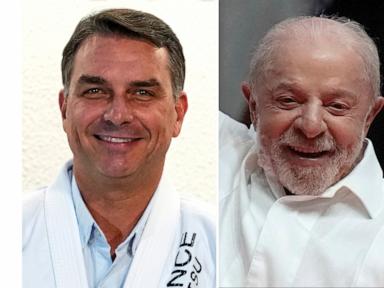
On one side stood Luiz Inácio Lula da Silva, the weather-beaten metalworker turned statesman, an octogenarian fighter carrying the heavy armor of incumbency and the scars of a political lifetime. On the other stood Senator Flávio Bolsonaro, bearing a familiar, polarizing surname that still electrified millions who craved an iron-fisted reckoning. The first round of voting had sent shockwaves through Planalto; Lula had trailed, stumbling under the weight of voter fatigue and economic pressures, allowing the challenger to capture the momentum.
For weeks, the streets of Rio de Janeiro and Belo Horizonte turned into roaring rivers of competing flags. Green and yellow banners snapped against the tropical wind alongside the deep red standards of the Workers Party. But beneath the rallies, the digital noise, and the multi-million-dollar court fines levied against tech giants for regulatory non-compliance, a quieter, more visceral drama played out in kitchen conversations across the continent.
Ordinary citizens found themselves caught between competing visions of survival. For some, like 63-year-old architect Nuno Rau, the choice was stark—a defense of fragile democratic norms against an existential threat. For others, the promise of security through proposed mega-prisons and uncompromising law-and-order rhetoric felt like the only shield against escalating urban decay.
The polarization had crystallized. Neither side was willing to blink.
Then came the final Sunday in October.
Tension reached a fever pitch as voting hours were extended by Supreme Court decree, sending waves of nervous energy through polling stations from the Amazon basin down to the southern pampas. The data trickled in slowly, pixel by pixel, vote by vote, defying historical precedent. No incumbent who had finished second in the first round of a Brazilian presidential election had ever managed to claw their way back to victory.
History broke.
When the Datafolha projection flashed across television screens late that evening, confirming Lula’s narrow, hard-fought triumph at 51.8 percent to 48 percent, the streets erupted in a chaotic chorus of car horns, fireworks, and weeping disbelief. It was an unprecedented fourth mandate secured against all odds—a political resurrection born from an aggressive last-minute grassroots mobilization and a profound public awakening to the spectre of a shifting democratic landscape.
Yet, victories in deeply divided nations rarely arrive as clean slates.
As the confetti swept away from the avenues, the underlying fissures remained raw. The legislative branch waited, hostile and unyielding, ready to contest every inch of ground. Investigations loomed, alliances strained under international spotlights, and the shadow of polarization stretched long across the horizon.
The ballots were counted. The winner was declared. But the pulse of Latin America's largest democracy continued to race, suspended between the ghosts of its past and an uncertain, volatile dawn.