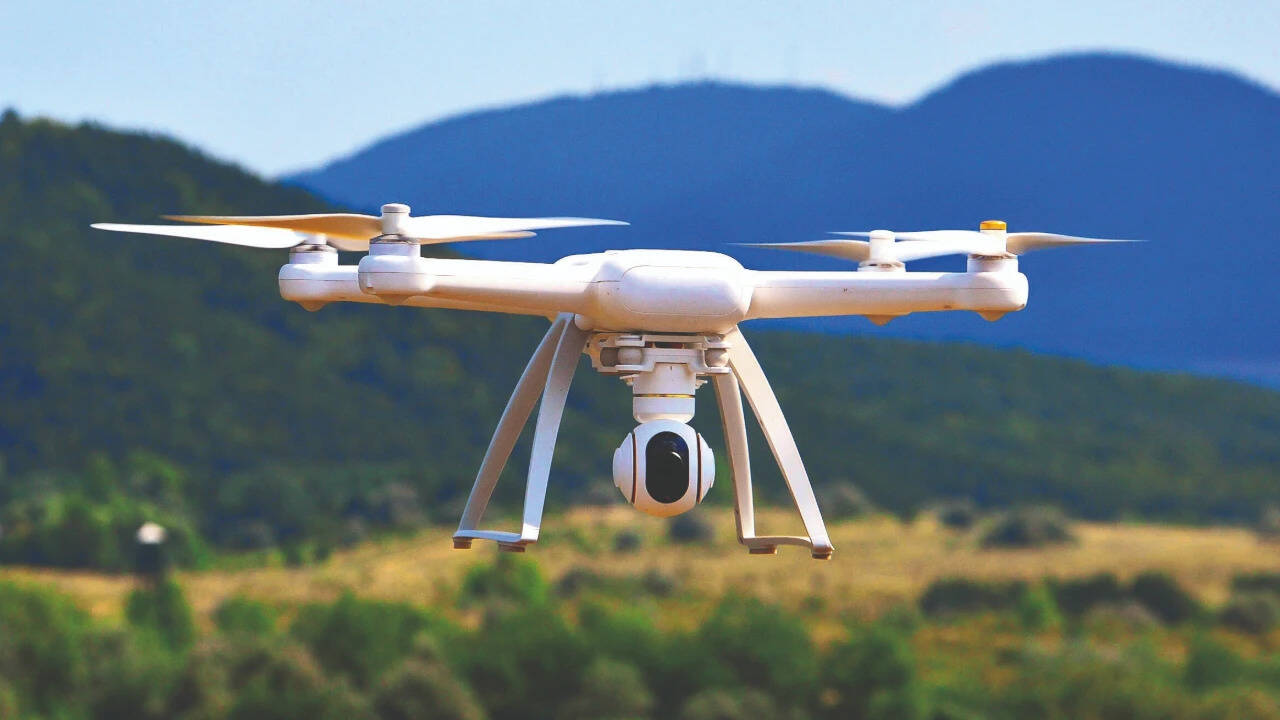
If you think local drone laws are strict where you live, consider what just happened in China's capital. Beijing didn't just restrict airspace or ban certain flight paths. It outlawed private drone possession altogether.
Starting in mid-November, keeping a drone, storing a drone, or even bringing a drone through Beijing became entirely illegal for everyday citizens and tourists. If you're caught holding onto one, you're looking at fines up to 5,000 yuan.
This move marks a massive escalation in urban airspace control. It moves past standard registration requirements and sales bans into total prohibition. Let's look at why this happened, how it's playing out on the ground, and what it signals for consumer tech globally.
The Push for Total Control
Beijing has always maintained tight security as the political center of China. Past rules already prohibited flying uncrewed aerial vehicles without extensive authorization and banned sales within city limits earlier in the year. But unauthorized flights and security vulnerabilities kept popping up.
The tipping point involved heightened security concerns, including a notable aircraft crash earlier in the summer that focused official attention sharply on low-altitude airspace risks. Lawmakers decided that mere flight bans weren't enough. As long as citizens kept drones in their closets, apartments, or car trunks, the temptation—or the risk of illicit use—remained too high.
So, authorities pulled the plug on ownership entirely. Under the revised regulations, only authorized state operations tied to emergency response, disaster relief, scientific research, and national security are permitted to operate or store drones within the municipal boundaries.
How Residents Are Offloading Gear
A blanket ban creates an immediate logistical nightmare for hobbyists and commercial operators based in the city. You can't just keep your quadcopter as a paperweight.
Local platforms and second-hand marketplaces cracked down quickly, prohibiting online drone sales within the affected zone. Instead, the municipal government set up disposal channels. Officials offered on-site buybacks, recycling options, and free courier services to help residents mail their equipment outside city limits.
Travelers face an equally aggressive enforcement strategy. Major transit hubs like Beijing's airports and high-speed railway stations actively intercept incoming baggage. Putting a drone in your checked luggage doesn't grant immunity. Even passengers transferring through local terminals find their gear confiscated if security flags core components.
The Wider Geopolitical Ripple Effect
While this policy targets Beijing specifically, it highlights a growing global anxiety over cheap, accessible aerial technology. Urban centers worldwide struggle to balance consumer enthusiasm with security realities.
Governments everywhere are watching how rapidly a major metropolitan area can purge consumer drones from its ecosystem. When security concerns trump consumer convenience, the response can happen overnight.
If you travel with filming gear, double-check regional restrictions before packing your bag. What flies in one province might land you in serious legal trouble in another.