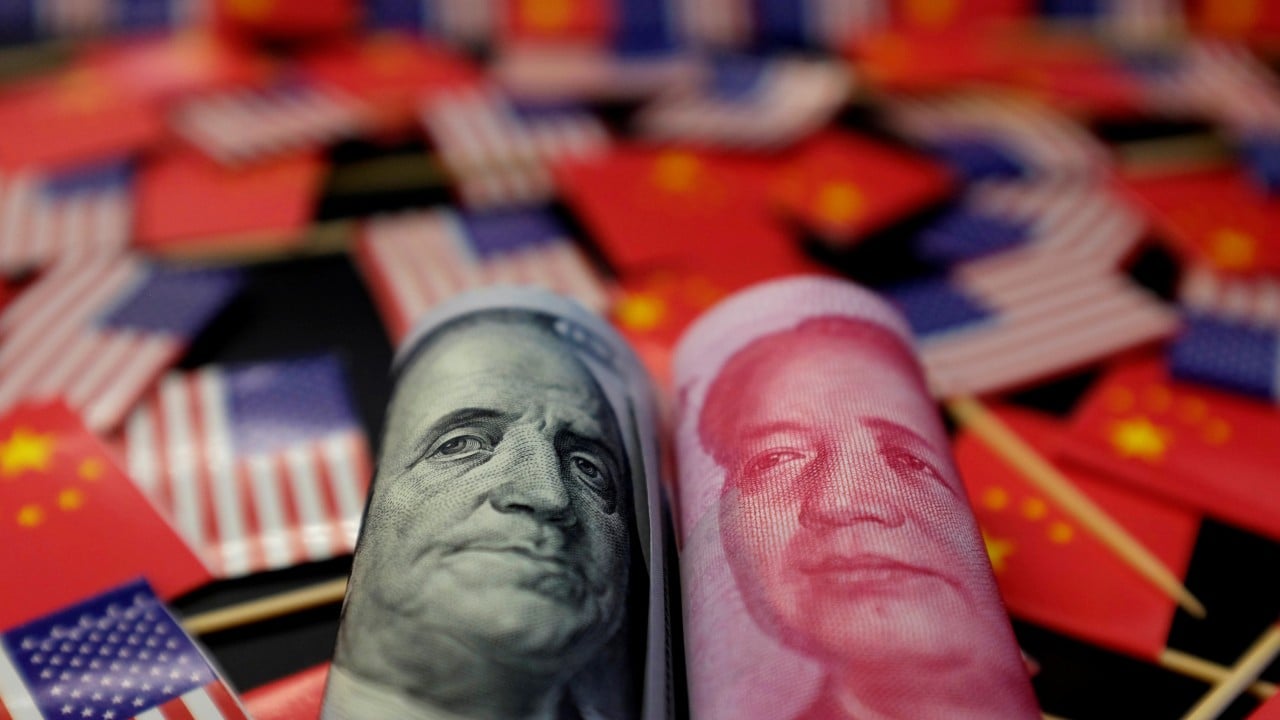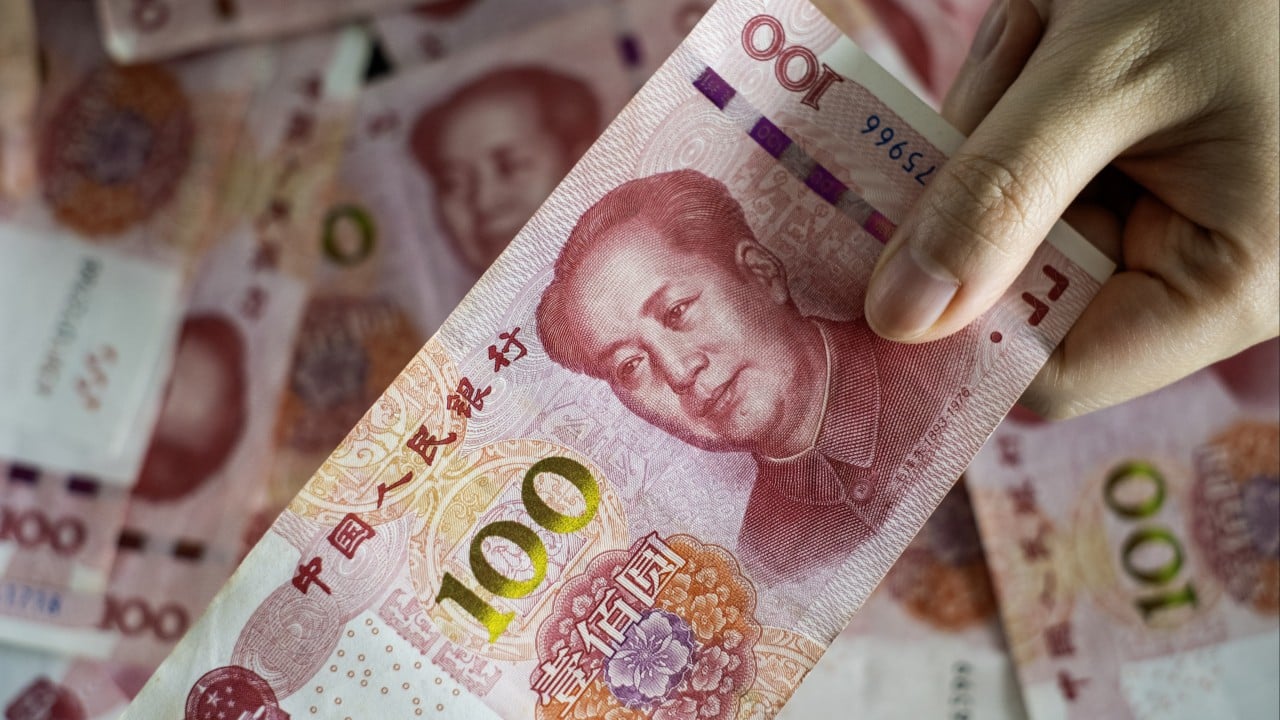
Every headline out of state media claims the global rise of the Chinese renminbi is an absolute certainty. Financial commentators nod along, parroting talking points about bilateral trade settlements, digital currency rollouts, and the steady erosion of greenback supremacy. It makes for a compelling narrative of inevitable geopolitical shifting.
It is also complete nonsense.
The lazy consensus treats currency internationalization like a corporate marketing campaign where sufficient branding and state willpower equal market adoption. Economists who should know better accept Beijing’s strategic declarations at face value, confusing a defensive sanctions-hedging mechanism with an aggressive global takeover. They miss the foundational mechanics of global monetary plumbing. A currency cannot conquer the world if its issuer is terrified of letting money leave the borders.
Let us define what an international currency actually requires. To serve as a global reserve asset, a currency must be freely convertible, backed by deep, open capital markets, and anchored by a central bank that prioritizes market transparency over bureaucratic command. The yuan possesses none of these traits. China maintains strict capital controls precisely because its leadership knows that full convertibility would trigger a massive, destabilizing domestic capital flight. You cannot command global investors to hoard your currency while simultaneously locking the exit doors.
Look past the rhetoric of inevitability and examine the structural data. According to SWIFT tracking and IMF reserve composition figures, the dollar still dominates roughly eighty percent of global foreign exchange transactions and nearly sixty percent of disclosed central bank reserves. The yuan hovers stubbornly in the low single digits. Even after years of aggressive bilateral promotion, digital yuan (e-CNY) pilots, and swap lines with emerging economies, the renminbi functions primarily as a bilateral invoice token for specific commodity trades, not a global store of value.
I have watched multinational corporations and trade desks blow millions trying to position themselves for a rapid de-dollarization that never materializes, restructuring supply chains around financial fantasies rather than cold economic reality. They mistake Beijing's fear of American sanctions for a master plan of global financial conquest.
Imagine a scenario where the People's Bank of China completely drops capital controls tomorrow to truly challenge the dollar. Domestic savers would instantly flood foreign asset markets to protect their wealth from local property downturns and regulatory unpredictability, collapsing the domestic banking sector within hours. Beijing understands this existential vulnerability. Therefore, the strict controls stay. And as long as those controls stay, calling the yuan's global rise "irreversible" is financial gaslighting.
What about the "People Also Ask" obsession over whether BRICS nations can successfully ditch the dollar using a shared currency or local alternatives? The premise is flawed from the ground up. A currency bloc requires mutual trust, synchronized monetary policies, and trade imbalances that can be recycled efficiently. When surplus countries like China refuse to run persistent trade deficits with their partners, the entire system starves for liquidity. Nobody wants to accumulate piles of yuan if they cannot freely spend them on deep, liquid foreign assets or American Treasuries.
The real strategy behind the internationalization push is not world domination; it is insulation. It is an emergency-room tourniquet designed to protect Chinese state-owned enterprises from secondary Western sanctions. Beijing wants a localized bypass around the SWIFT network to keep oil and raw materials flowing if geopolitical straits tighten. Calling that a global reserve revolution is like confusing a life jacket with an ocean liner.
Stop planning your portfolio around the death of the dollar. Stop treating state press releases as macro-economic forecasts. Build your treasury strategy around liquidity, convertibility, and assets that actually survive the morning light.