The coffee machine in the breakroom always rattles on the second cycle. Everyone knows it. You learn to press your hand against the plastic housing just to keep the vibration from shaking the ceramic mugs on the tray. On a standard Tuesday, that rattle is the loudest thing in the room.
Then came a single slip of paper.
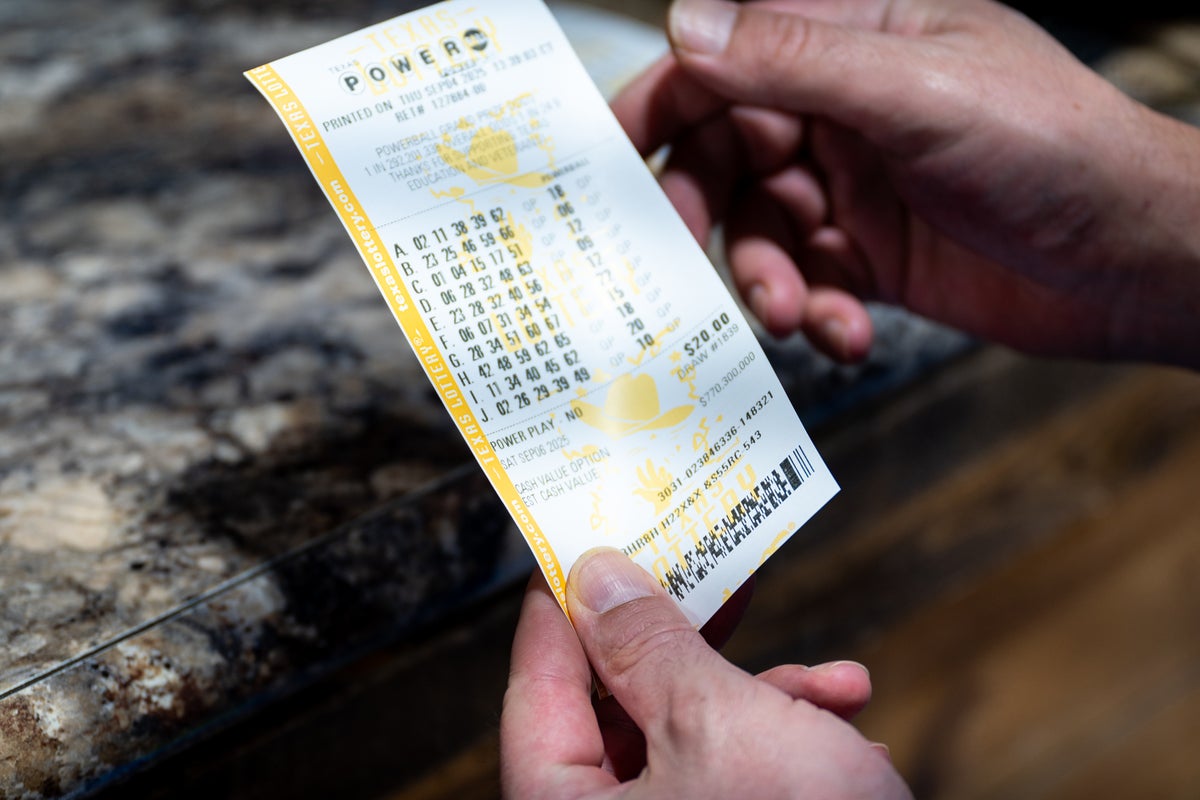
A piece of green-tinted thermal paper, barely wider than a grocery receipt, held the weight of a staggering sum: one billion dollars.
An Illinois lottery player somewhere in the state woke up to a reality that looks entirely fictional. For most of us, wealth is measured in increments of caution. We calculate the price of groceries before they slide across the scanner. We track the odometer, wondering how many more miles the transmission has before the mechanic delivers the bad news. We budget for shoes, for dental cleanings, for the unexpected leak in the roof that always seems to arrive during a Tuesday night thunderstorm.
One billion dollars obliterates the mathematics of survival.
Let us be entirely clear about the arithmetic. This was not a modest windfall. This was the largest prize of the entire year, a towering monument of probability built from millions of tiny, two-dollar acts of faith bought at gas stations, convenience store counters, and grocery store kiosks across the state.
Probability is a cold science. The odds of matching all six numbers in a Powerball drawing sit at roughly one in 292.2 million. To put that in perspective, you are far more likely to be struck by lightning while simultaneously bitten by a shark. You are more likely to become the president of the United States. And yet, every time the jackpot swells past the threshold of human imagination, millions of rational people willingly step up to the counter.
Why?
Because we are all desperate for a plot twist.
We live inside systems designed for predictability. Wake up. Commute. Answer the emails. Eat the sandwich. Repeat. The lottery represents the ultimate rejection of the mundane. It is a legally sanctioned rebellion against the tyranny of the hourly wage. When you slide your money across the scratched laminate counter and take that printed slip, you are buying something far more valuable than a set of digits. You are buying temporary immunity from dread. For twenty-four hours, until the numbers are drawn, you are a person who could fix everything.
And then, for one specific individual in Illinois, the hypothetical became violently real.
Imagine the silence that follows validation.
Not the silence of an empty room, but the deafening quiet that settles over your brain when the screen flashes the winning combination and you realize your life has bifurcated into a clear before and an irreversible after. Every worry you have ever harbored—every late-night calculation regarding rent, tuition, or medical bills—evaporates in a fraction of a second.
The ticket sits on the kitchen table. The coffee is cold.
Suddenly, the ordinary world looks bizarrely fragile. The traffic outside your window moves at the same pace. The neighbor still walks their dog at 7:15 AM. The mail carrier still drops off the circulars. Nothing in the physical universe has shifted, yet everything has warped beyond recognition.
This is the psychological paradox of sudden wealth. We are conditioned to believe that money solves all friction. To a degree, it does. Financial security is a profound peace of mind. It means never having to choose between fixing the car and buying groceries. It means watching inflation headlines with a detached curiosity rather than a tightening chest.
Yet, human beings are remarkably fragile containers for astronomical change.
Psychologists often talk about hedonic adaptation, our stubborn tendency to return to a baseline level of happiness regardless of external windfalls. But a billion dollars breaks the baseline. It shatters it into dust. Overnight, the winner becomes a vault of secrets. Do you tell the coworkers? Do you finish out the week? Do you delete your social media accounts, pack a single duffel bag, and drive into the fog before the sun comes up over the horizon?
The anonymity rules in Illinois allow winners of prizes over a quarter-million dollars to request that their names remain private. Wise choice. Privacy, once surrendered for a press conference and a giant cardboard check, can never be bought back.
Consider what happens next for this anonymous player.
There will be lawyers. Men and women in tailored charcoal suits will suddenly appear like migratory birds, offering wealth management strategies, tax shelters, and trust structures. The state lottery officials will verify the numbers through multi-step security protocols, ensuring that the barcode matches the central database, that the paper hasn't been torn or bleached, that the rightful owner of the mathematical anomaly has stepped forward.
Then comes the choice between the cash option and the annuity.
Most take the lump sum. Why wait thirty years when mortality is a persistent whisper? Even after federal taxes take a massive bite, leaving a net payout that hovers in the hundreds of millions, the remaining sum is so vast that spending it requires actual, sustained effort. You could spend ten thousand dollars every single day for the next eighty years and barely scratch the principal.
Money at this scale ceases to be a medium of exchange. It becomes gravity. It bends everything around it.
We look at numbers like one billion and we divorce them from humanity. We treat them as macroeconomic data points, flashing across the cable news ticker between sports scores and weather reports. We marvel at the sheer size of the prize, marveling at the luck of the draw, as if the ticket bought itself.
We forget the person.
We forget the trembling hand holding the slip of paper against the kitchen light, checking the numbers a third time, then a fourth, then a fifth, until the digits blur together into a meaningless string. We forget the sudden, terrifying realization that the invisible guardrails keeping your life on track have just been vaporized.
The rattle of the breakroom coffee machine fades. The daily grind continues for the rest of us. We will go back to our desks, check our spreadsheets, and complain about the traffic on the interstate. Somewhere out there, beneath the hum of a ceiling fan in a quiet house, a single human being is staring at a green slip of paper, wondering how they are going to buy a carton of milk tomorrow without changing the universe.