The rain over Merseyside does not care about balance sheets. It falls the same on the wrought iron gates of the Shankly Gates as it does on the modern glass facades of corporate boardrooms thousands of miles away.
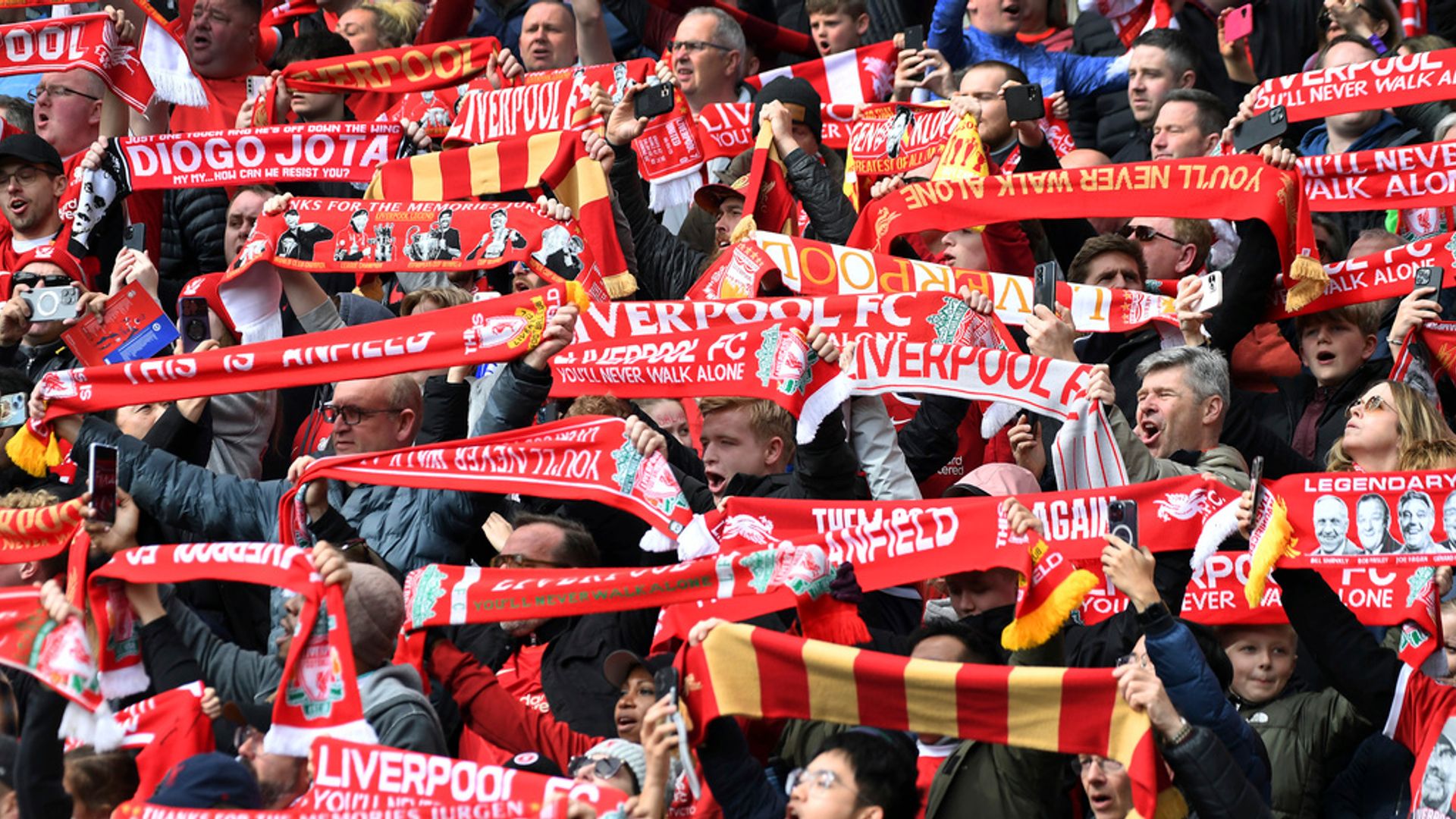
Walk down an alleyway near Anfield on a matchday. Hear the collective inhale of fifty thousand souls before a corner kick. That sound cannot be quantified. It cannot be reduced to a fractional share percentage, nor can it be traded on a New York exchange. Yet, the modern game exists in a delicate, breathless tension between that raw, unadulterated heartbeat and the cold gravity of global capital.
Liverpool Football Club has officially confirmed a minority investment group, a consortium featuring Dynasty Equity and, most notably, Dynasty's financial backing linked to Amazon founder Jeff Bezos, stepping into the fold through strategic minority stakes.
Silence.
Then, the inevitable noise. Social media feeds erupt. Pundits adjust their ties. Fans in pubs from Kirkdale to Copenhagen lean over their pints and ask the eternal question of our era: What does this mean for us?
To understand this moment, we have to look past the corporate press releases. We have to look at how modern football is financed, why the old rules no longer apply, and what happens when the digital economy merges with British working-class heritage.
The Architecture of Modern Ambition
Fenway Sports Group, the American ownership group that rescued Liverpool from the brink of administration back in 2010, has always operated with a specific brand of fiscal prudence. Unlike state-backed titans or oligarch-owned projects, FSG built a model intended to be self-sustaining. Commercial revenue streams, shrewd player trading, and a global fanbase were supposed to pay the bills.
But football changed. The financial ceiling moved.
When you compete against clubs backed by sovereign wealth funds, self-sufficiency starts to feel like running a marathon with ankle weights. You can see the leaders pulling away. You can hear their spikes hitting the track.
This is why fresh capital matters. The minority investment from entities connected to global tech wealth is not just about writing a check for an afternoon transfer window. It is about infrastructural fortification. It is about ensuring that Anfield, already expanded with the majestic new Anfield Road Stand, remains a cathedral that can generate the revenue required to slug it out at the absolute peak of European football.
Consider what happens next. The money arrives. Debt is serviced or erased. Training grounds are upgraded. Data analytics departments, already among the best in the business, receive another layer of computational muscle.
And yet, a lingering ache remains in the chest of the supporter.
The Invisible Cost of Scale
There is a distinct melancholy that accompanies the globalization of a local institution.
Imagine growing up within walking distance of the stadium. Your grandfather went to the 1965 FA Cup final. Your father stood on the Spion Kop in the eighties through European nights that felt like secular religious experiences. For generations, the club belonged to the neighborhood. It was an extension of the living room, a place where dockers, teachers, and shopkeepers could look up at the pitch and see a reflection of their own grit.
Today, that neighborhood is surrounded by a global apparatus. The shirt you buy is manufactured halfway across the planet. The television broadcast rights are parceled out to streaming giants. And now, the equity of the club is interlaced with the financial orbit of one of the richest men in human history.
This is the bargain of the modern sports fan. You want the best manager. You want the £100 million midfielder. You want the squad depth to fight on four fronts in April and May. You want the medical science that keeps hamstrings intact and dreams alive.
You cannot have those luxuries on a local bake sale budget.
The introduction of new minority investors highlights a fundamental truth about twenty-first-century sport. Clubs are no longer just football teams. They are multinational media and entertainment conglomerates disguised as community pillars.
The Intersection of Retail Royalty and the Kop
When Jeff Bezos’s name enters the conversation surrounding Liverpool, the immediate reaction is cinematic. People picture sleek corporate boardrooms, algorithmic algorithms predicting ticket sales, and drone deliveries soaring over the Mersey.
Reality is both more mundane and more strategic.
Private equity and minority stakes do not mean a hostile takeover or a sudden shift in day-to-day operations. FSG remains firmly at the wheel. Day-to-day decisions are still made by sporting directors, managers, and recruitment teams who live and breathe the tactical nuances of the Premier League.
What the new investment represents is a shield and a springboard. It provides a financial buffer against economic turbulence. In a post-pandemic sporting landscape where broadcasting rights fluctuate and player amortization costs soar through the roof, having deep-pocketed minority partners is the equivalent of anchoring your ship with titanium cables before a hurricane.
Think of it as an insurance policy for ambition.
When Jurgen Klopp departed and Arne Slot stepped into the technical area, he inherited a squad that was competitive, hungry, but undeniably in need of generational renewal. Transition periods are perilous. They are moments where clubs either step forward into a new dynasty or slip backward into mediocrity. Fresh capital ensures that the transition does not become a regression.
The Soul That Cannot Be Bought
There is a common fear among traditionalists that once the billionaire class takes a financial slice of your club, the soul evaporates.
History suggests a more nuanced reality.
Football clubs have always been commercial enterprises. From the Victorian businessmen who founded them as works teams to the modern venture capitalists trading shares on international markets, profit and passion have danced an uneasy tango for well over a century.
The secret—if secret it is—lies in the resilience of the culture.
No amount of minority equity or digital synergy can alter the roar that greets the team bus as it crawls down Anfield Road through red smoke. No venture capitalist can program the collective memory of Istanbul in 2005 or the miraculous comeback against Barcelona in 2019. Those moments belong exclusively to the people who live and die by the results.
The investors own a fraction of the corporation. The supporters own the spirit.
As the ink dries on these new financial agreements, the machinery of the Premier League grinds onward. Matches will be played under the floodlights. Tactical battles will be fought in the technical areas. The tables will shift week by week, unpredictable and cruel.
Liverpool FC moves forward into this new era with heavier armor and larger horizons. The boardroom looks different than it did a decade ago. The balance sheets stretch across continents.
Yet, down in the streets of L4, as the rain clears and the evening lights reflect off the pavement, the only thing that truly matters is what happens when the whistle blows and twenty-two players chase a leather ball across green grass.
That part of the game remains untouched.