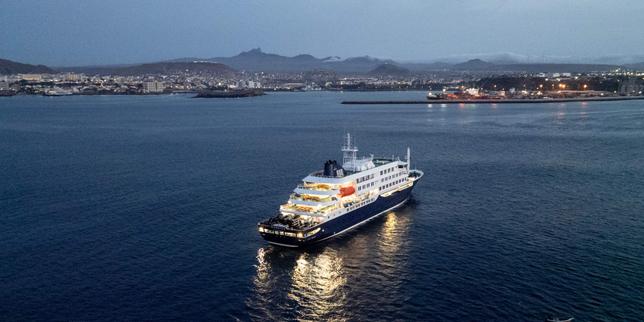
The emergency evacuation of a British physician from a cruise ship following a hantavirus outbreak highlights a systemic vulnerability in the trillion-dollar cruise industry. While passengers expect a luxury escape, the reality of high-density living combined with exotic ports of call creates a unique petri dish for rare pathogens. This recent incident is not merely a localized health scare but a signal that maritime bio-security protocols are struggling to keep pace with evolving viral threats.
Hantavirus, typically transmitted through contact with infected rodents or their droppings, is rarely associated with the sterile, polished decks of a modern cruise liner. Yet, the evacuation of a medical professional—the very person responsible for containing such threats—points to a breakdown in the ship’s primary line of defense. When the healer becomes the patient, the entire clinical infrastructure of a vessel is compromised, leaving thousands of passengers at the mercy of logistical bottlenecks and international quarantine laws. Meanwhile, you can read related events here: The Biohazard at Sea and the Cruise Industry Secret Failure.
The Invisible Vectors In Luxury Travel
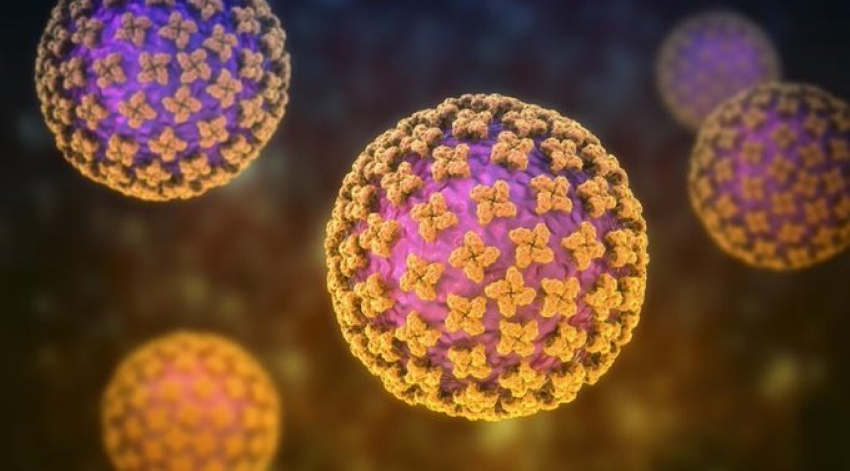
Cruise ships are floating cities with complex internal ecosystems. They operate on tight turnarounds, often docking in regions where local wildlife and pest populations carry pathogens that the average traveler’s immune system is unprepared to handle. Hantavirus is a particularly vicious opponent. Unlike common norovirus, which causes standard gastrointestinal distress, hantavirus can lead to Hantavirus Pulmonary Syndrome (HPS), a severe respiratory disease that carries a mortality rate of nearly 38 percent.
The mechanism of transmission on a ship often stems from the "back of house" areas. While the grand atriums are scrubbed constantly, the vast networks of service tunnels, storage bays, and engine rooms are where the risk lives. Rodents can board via mooring lines or hide within food crates delivered at tropical ports. Once onboard, their waste can become aerosolized through the ship’s extensive ventilation systems. To see the full picture, we recommend the excellent article by The Points Guy.
If a single infected rodent finds its way into a dry goods locker, the ventilation system becomes a delivery mechanism for viral particles. This isn't a failure of cleaning staff; it is a fundamental challenge of maintaining a sterile environment in a massive, moving structure that interacts with diverse biomes daily.
The Logistics Of A Mid Ocean Extraction
Extracting a critically ill patient from a ship at sea is a violent, expensive, and technically demanding operation. It is the last resort. For a British doctor to be airlifted, the ship’s onboard medical center—which usually rivals a small-town ER—must have been deemed insufficient for the required level of care.
Airlift operations involve more than just a helicopter and a winch. They require precise coordination between the ship's bridge, the Coast Guard, and international health authorities. The physical act of the "medevac" is governed by sea states and wind speeds. If the deck is pitching more than a few degrees, the risk to the flight crew and the patient increases exponentially.
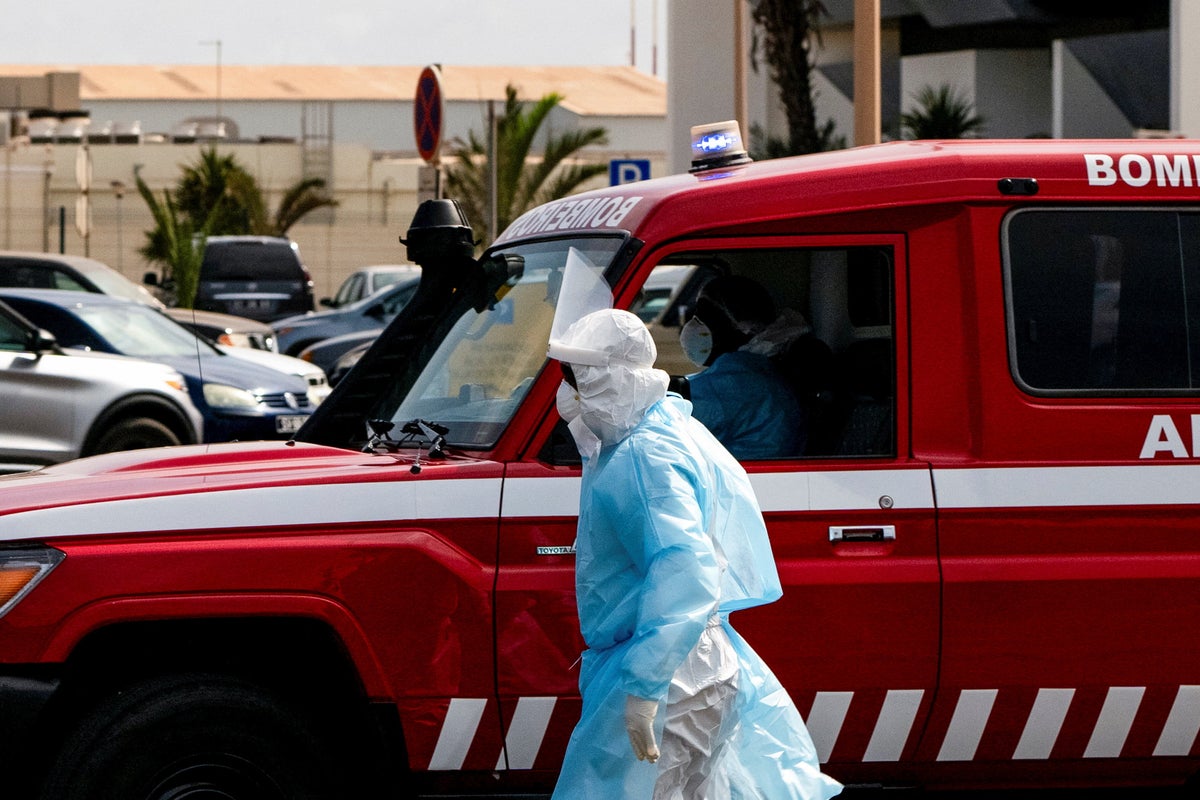
Moreover, a hantavirus diagnosis complicates the extraction. Because it is a viral hemorrhagic fever or pulmonary threat, the patient must often be transported in a specialized isolation pod to prevent infecting the helicopter crew. This adds weight and time to an already time-sensitive mission. The decision to pull a doctor off the ship suggests that the viral load or the severity of the symptoms surpassed the ship's ability to provide mechanical ventilation or advanced life support.
Why Maritime Medical Units Are Under Pressure
Cruise ship doctors are some of the most versatile practitioners in the medical field. They are GPs, trauma surgeons, and public health officers rolled into one. However, they are hampered by the specific economics of maritime law. Most ships fly under "flags of convenience," meaning they are registered in countries like the Bahamas or Panama. This allows them to bypass certain stringent labor and health regulations found in the UK or the US.
The current crisis shows that the standard medical staffing levels on these vessels may be outdated. A ship carrying 4,000 passengers might only have two doctors and four nurses. If one doctor falls ill with a contagious and high-mortality virus, the medical capacity of the ship is instantly halved.
The Limits of Onboard Diagnostics
The speed of the diagnosis is the most critical factor in a hantavirus outbreak. Most ships are equipped for rapid flu or COVID-19 tests, but hantavirus requires specialized serological testing or polymerase chain reaction (PCR) capabilities that are not always standard for rare pathogens.
If the onboard team misidentifies hantavirus as a common pneumonia or heavy flu for the first 48 hours, the virus has ample time to spread through the crew quarters and passenger decks. By the time the doctor showed enough distress to warrant an airlift, the exposure window for everyone else on that deck had already closed. They were already breathing the same air.
The Economic Pressure To Keep Moving
The cruise industry operates on razor-thin schedules. A single day of quarantine can cost a line millions in lost revenue, port fees, and future cancellations. This creates an inherent tension between public health and the bottom line. When a ship reports "flu-like symptoms," there is often a push to manage it internally rather than declaring a formal outbreak that would alert port authorities and potentially lead to a forced anchorage.
This incident forced the hand of the operators. You cannot hide an airlift. The presence of a military or search-and-rescue helicopter over a cruise ship is the ultimate public relations nightmare, yet it is also the most honest moment a cruise line can have. It is an admission that the environment has become uncontrollable.
The Hidden Threat Of The Supply Chain
We must look at the "how" behind the hantavirus reaching the ship. Global supply chains are the primary suspects. When a cruise ship stocks up on thousands of pounds of fresh produce and dry goods in a port, they are also importing the local ecology.
Recent shifts in global weather patterns have also altered rodent behavior. Heavier rains in some regions and prolonged droughts in others force mice and rats into human structures—and by extension, into the pallets destined for ships.
Current screening processes for cargo focus on contraband and invasive insects. They are not designed to detect viral shedding on the surface of a grain sack. This is a blind spot in the industry that no amount of hand sanitizer in the buffet line can fix.
The Reality Of Multi National Jurisdictions
When an outbreak occurs in international waters, the question of "who is in charge" becomes a legal quagmire. If the ship is British-owned but flagged in the Bahamas and sitting ten miles off the coast of a third nation, the medical response is often delayed by diplomatic red tape.
In this case, the doctor’s nationality likely expedited the UK’s involvement, but a standard passenger might not receive the same level of international coordination. This disparity in care is the "dirty secret" of maritime travel. Your survival often depends more on your passport and your insurance policy than on the ship’s medical manifest.
Rethinking Vessel Bio Defense
The industry needs a shift in how it perceives viral threats. We have spent years focusing on norovirus because it is common and annoying. We are unprepared for the rare and deadly.
Ships need to move toward Hepta-filtration systems that can scrub viral particles from the air in common areas and crew quarters. They need to implement AI-driven pest monitoring that uses thermal imaging to detect rodent activity in cargo holds before the ship ever leaves port.
Waiting for a doctor to get sick is not a strategy. It is a failure of foresight.
The medical evacuation of a physician from a hantavirus-hit vessel is a wake-up call for every traveler who believes that a cruise ship is an isolated bubble of safety. It is a connected part of the world, and it carries all the world's risks, concentrated into a steel hull.
Future passengers should be asking less about the quality of the Broadway shows on board and more about the MERV rating of the cabin’s air filters and the specific diagnostic kits kept in the medical locker. The safety of the voyage now depends on the ship's ability to detect what cannot be seen, long before the first emergency signal is sent to the mainland.
Check your travel insurance for "medical evacuation" riders specifically covering viral outbreaks. Ensure your policy covers the high costs of private air ambulance services, which can exceed $100,000 in international waters.