Every two years, political pundits act shocked when Black women rescue the Democratic Party from electoral collapse. They shouldn't be surprised. From local school board races to high-stakes federal elections, Black women remain the most reliable, disciplined, and strategic voting bloc in American politics.
Yet party leadership still treats them like an afterthought until October rolls around.
If you look closely at recent election cycles—including the 2026 midterms—a clear pattern emerges. While consultants burn millions on flashy television ads chasing mythical "undecided suburban swing voters," Black women are doing the actual unglamorous work of democracy. They're knocking on doors, registering neighbors, defending voting access, and running for office at record rates.
Honestly, it's exhausting to watch the political establishment constantly rediscover the obvious.
The Numbers Behind the Loyalty
Let's look at the actual data, because feelings don't win elections. According to the Pew Research Center, Black women consistently vote at higher rates than almost any other demographic group when adjusted for socioeconomic factors. In the 2020 and 2024 presidential cycles, roughly 90% or more of Black women voters backed the Democratic ticket.
Compare that to white women, who have leaned Republican in nearly every presidential election since 1952.
It's not just about casting a ballot, either. Black women don't just show up on Election Day; they build the infrastructure that makes turnout possible in the first place. Look at what happened in Georgia over the last decade. Organizations like the New Georgia Project and Fair Fight didn't materialize out of thin air. They were built through years of relentless, year-round community organizing led predominantly by Black women like Stacey Abrams, Nse Ufot, and LaTosha Brown.
They understood something national strategists routinely miss. You can't parachute into a neighborhood three weeks before an election with a clipboard and expect people to trust you. Trust takes years.
Why Party Strategists Keep Getting It Wrong
I've spent years watching campaign managers make the exact same mistake. They treat Black women as a guaranteed base—something safely locked in a vault while they spend donor cash trying to win over moderate Republicans who rarely cross the aisle anyway.
That strategy is broken.
When campaigns underfund Black-led grassroots organizations until the final weeks of a race, turnout dips. We saw this happen in several key battleground states during the 2022 and 2024 cycles. It wasn't that Black women suddenly became conservatives. They didn't. Instead, chronic underinvestment in local outreach left voters feeling ignored, uninspired, and taken for granted.
Think about the sheer audacity of asking a demographic to save democracy every November while stalling on federal voting rights legislation, maternal mortality protections, and economic equity bills the rest of the year. Voters notice that disconnect. They're pragmatic, not naive.
The Rise of Black Women in Leadership Roles
The shift isn't limited to the ballot box. Black women are tired of just being the campaign volunteers; they're increasingly the candidates on the ticket and the executives running the party machinery.
Look at the historic milestones we've seen pile up over the past few years:
- Federal Judiciary: Justice Ketanji Brown Jackson's confirmation to the U.S. Supreme Court broke a 233-year barrier, alongside dozens of Black women appointed to federal appellate and district courts.
- Congressional Power: According to the Center for American Women and Politics (CAWP) at Rutgers University, Black women have steadily increased their representation in the U.S. House of Representatives, holding critical committee chairs and leadership slots within the Congressional Black Caucus.
- State and Local Executives: From mayors leading major American cities like Los Angeles, Chicago, and Baltimore to state attorneys general and secretaries of state, Black women are governing some of the most complex jurisdictions in the country.
In 2024, Angela Alsobrooks in Maryland and Lisa Blunt Rochester in Delaware made history by becoming the first two Black women to serve simultaneously in the U.S. Senate. Before them, only three Black women—Carol Moseley Braun, Kamala Harris, and Laphonza Butler—had ever served in the upper chamber in the entire history of the United States.
That kind of representation changes what gets debated on the floor. When Black women sit at the table, issues like the Black maternal health crisis—where Black women are roughly three times more likely to die from pregnancy-related causes than white women, according to the Centers for Disease Control and Prevention—finally get treated as national emergencies rather than footnote statistics.
What Makes Their Political Organizing Different
If you ask veteran organizers why Black women's political networks outperform traditional party committees, the answer comes down to community integration.
Traditional political operations are transactional. They hire temporary field staff, buy targeted digital ads, and shut down the field offices the day after the election.
Black women's organizing networks—ranging from the Divine Nine sororities like Alpha Kappa Alpha and Delta Sigma Theta to church coalitions and groups like Higher Heights for America—are permanent social institutions. They exist between elections. They host food drives, run mentorship programs, organize health clinics, and advocate at city council meetings on random Tuesdays in April.
Because those relationships already exist, mobilizing for an election isn't a cold call. It's a conversation between neighbors who already rely on each other.
The Pragmatism Factor
There's a common misconception in political media that Black women vote Democratic out of blind habit. Nothing could be further from the truth.
If you actually listen to Black female voters in focus groups from Detroit to Atlanta to Phoenix, you'll hear sharp, unfiltered critiques of Democratic politicians. They know when a candidate is pandering. They recognize hollow promises immediately.
Their voting behavior isn't rooted in blind loyalty; it's rooted in clear-eyed harm reduction and strategic realism. They evaluate who is going to appoint fair judges, protect reproductive freedom, defend public education, and keep the doors of economic opportunity from slamming shut. They look at the two viable options on the ballot and make the most practical choice available to protect their families and communities.
The Risks of Ignoring the Warning Signs
Despite their unmatched reliability, taking Black women for granted carries massive risks for Democrats heading toward 2028 and beyond.
Recent polling from organizations like the Joint Center for Political and Economic Studies and BlackPAC shows subtle but real fractures, particularly among younger Black voters under 35. High housing costs, stubborn inflation on everyday groceries, student debt burdens, and frustration over the pace of systemic reform have created genuine skepticism.
While Black women remain overwhelmingly aligned with the Democratic Party compared to Black men—where Republicans have made modest, targeted gains—the real threat to Democrats isn't mass defection to the GOP.
It's staying home.
When voters feel that neither party is delivering tangible economic relief, apathy becomes the opponent. You don't lose an election because Black women suddenly switch parties; you lose because a crucial 5% or 8% of your base decides the trip to the polling place isn't worth taking time off work.
How the Party Needs to Change Its Playbook
If Democratic leaders want to stop scraping by on razor-thin margins, they need to overhaul how they partner with Black women. Lip service on Twitter and photo ops at Sunday church services won't cut it anymore.
First, funding has to move early. Grassroots groups led by Black women shouldn't have to beg for scraps in September. Seed money needs to flow in January of off-election years so organizers can retain full-time staff, train local precinct captains, and combat misinformation on social media platforms before it takes root.
Second, Black women need real decision-making authority inside campaign war rooms, not just advisory titles. Too often, white male consultants still control the lion's share of media buying budgets—taking hefty commissions on television spots—while Black strategists are sidelined into "community outreach" roles with tiny budgets. Put Black women in charge of the overall strategy and the budget allocations, and watch how quickly messaging sharpens.
Third, policy delivery has to match campaign rhetoric. Voters remember who fought for them when the cameras were off. Passing concrete economic policies that support Black-owned small businesses, lower childcare costs, expand Medicaid access, and protect voting rights isn't just good governance—it's the only sustainable turnout strategy that actually works.
Stepping Into the Work Yourself
You don't have to be a national strategist or a elected official to stop this cycle of political amnesia. If you care about where the country is headed, look at who is actually doing the heavy lifting in your own backyard and back them directly.
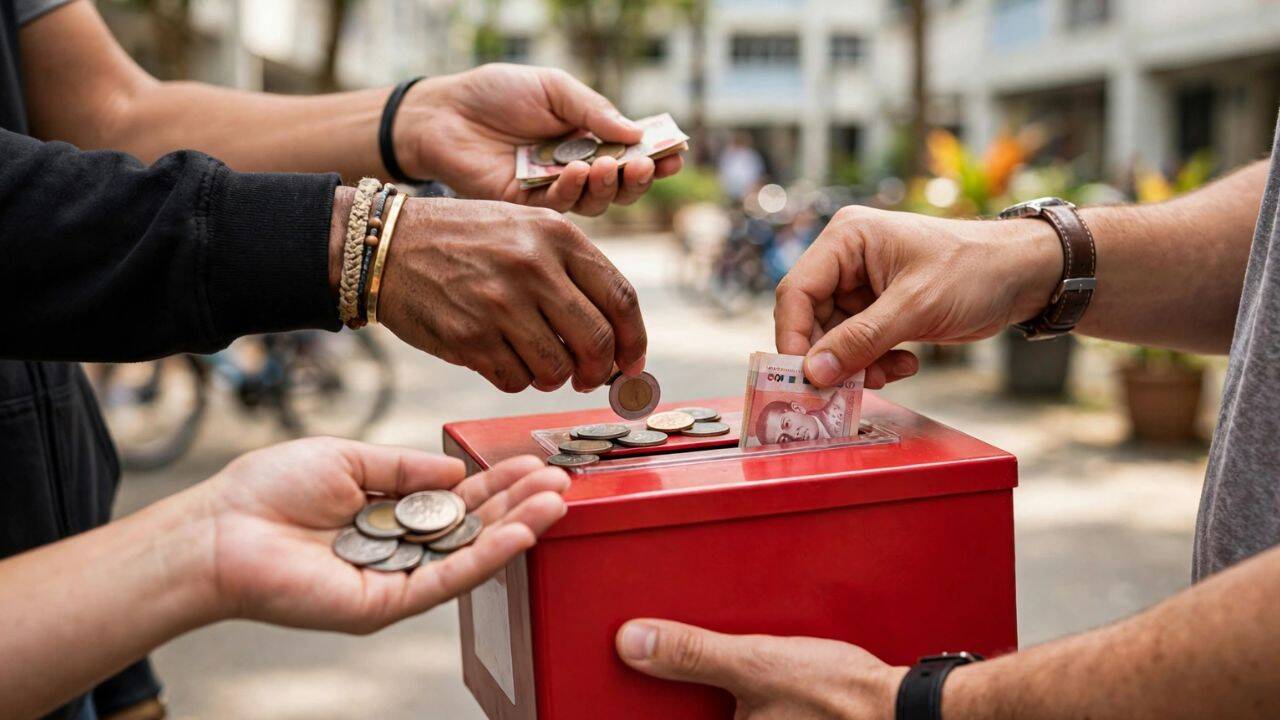
Start by tracking down the Black-led civic organizations operating in your state or county—groups like the National Coalition on Black Civic Participation, Higher Heights, or local chapters of the NAACP and the League of Women Voters. Donate to them in the spring and summer, when their bank accounts are dry and the national media isn't paying attention. Show up to local school board and city council meetings where policy actually touches people's daily lives. And when local candidates ask for your vote or your checkbook, ask them one simple question before you give either: who is running your campaign, and what have you delivered for the people who keep your party alive?