The headline reads like a compliance victory. Major energy firms are supposedly steering clear of tankers idling on Iran's unofficial blacklist, waving away high-yield crude to keep Western regulators happy. Media outlets frame this as a moral line in the sand, a triumph of sanctions enforcement where boardrooms finally choose legal safety over barrel counts.
It is a fairy tale written for people who have never watched a crude cargo change flags in the middle of the Malacca Strait. Discover more on a connected topic: this related article.
I have watched compliance officers sweat over shadow fleet movements while quietly routing three million barrels of heavy sour through a shell company registered in a tax haven that uses postal codes for mailboxes. The lazy consensus says that blacklists choke trade. The reality is that blacklists merely create a lucrative intermediary tax, a friction fee paid to middlemen who excel at paperwork gymnastics.
The Economics of the Phantom Fleet
Every time a major trader announces it will avoid a vessel tied to Tehran, an independent operator somewhere in Dubai or Piraeus smiles. They do not lose market share. They expand margins. Additional journalism by MarketWatch delves into similar perspectives on the subject.
Sanctions do not destroy supply; they fracture logistics. When mainstream insurers and Western-flagged operators pull back from a flagged vessel, the asset value drops momentarily before getting scooped up by opaque ownership chains backed by alternative capital. The oil still flows. It just stops showing up on transparent freight exchanges.
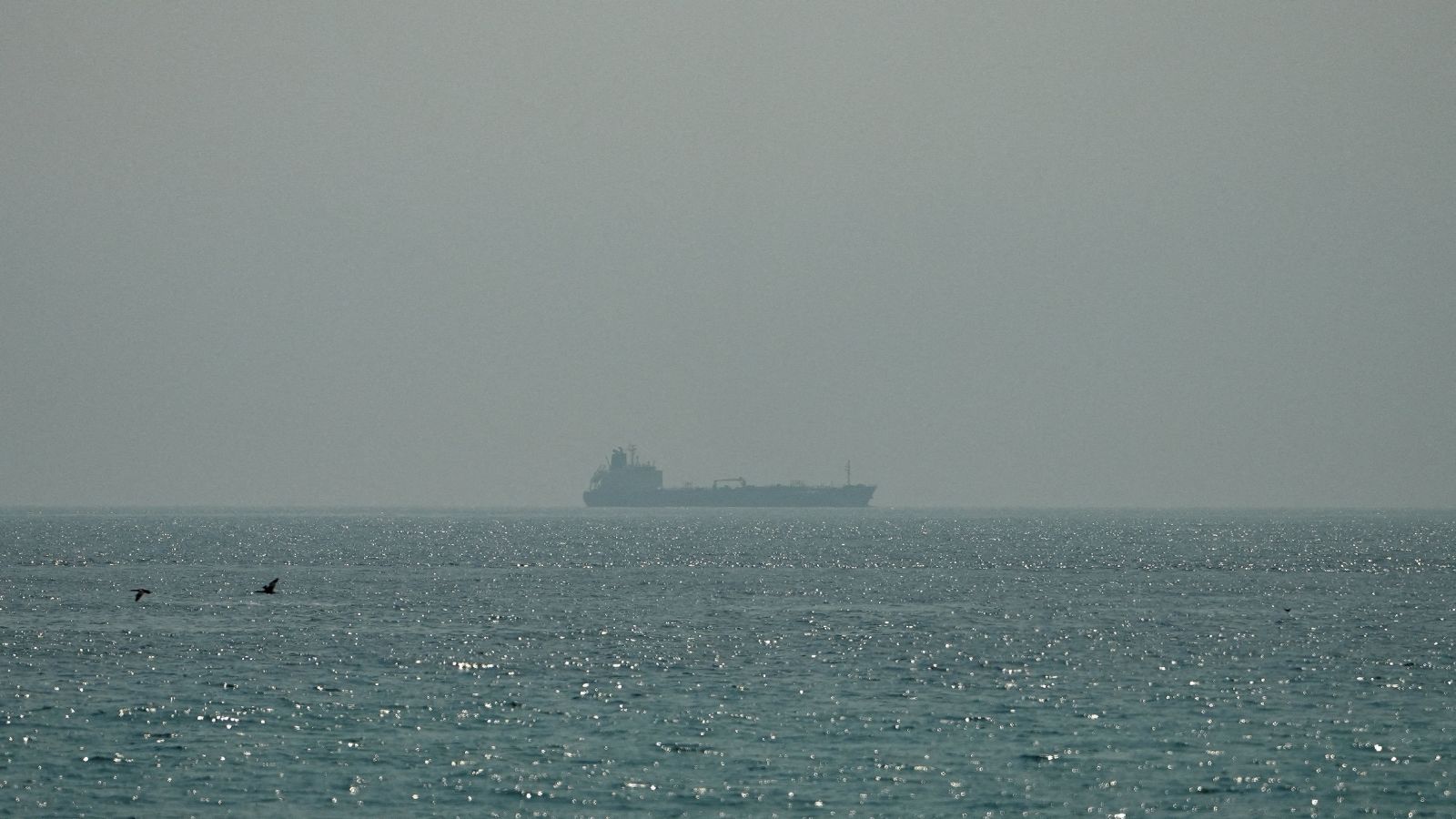
Let us look at the mechanics. A tanker gets tagged. Standard maritime insurance terms void themselves. Does the oil stay in the ground? Of course not. The cargo gets ship-to-ship transferred five miles outside territorial waters at night. The transponders go dark. By sunrise, the crude has a new certificate of origin, a fresh coat of paint on the hull's draft marks, and a destination port in Asia that asks zero questions as long as the discount hits double digits.
The companies supposedly avoiding these ships are often the same ones buying the blended end-product three refineries down the line. It is corporate hygiene theater at its finest. You sanitize the balance sheet by pushing the dirty work three layers deep into a subcontracted web of single-purpose LLCs.
Why the Compliance Department Loves the Illusion
Corporate legal teams thrive on checklists. If a vessel fails a compliance screening tool, the algorithm spits out a red flag, the risk officer blocks the transaction, and everyone sleeps well knowing they followed the letter of the restriction.
This approach confuses motion with execution.
Imagine a scenario where a multinational oil trader proudly refuses a direct charter from an Iranian-linked operator. Sounds clean, right? Except that same trader then buys spot barrels from a storage hub in Fujairah where domestic blending tanks have quietly absorbed millions of barrels of discounted feedstock from those exact same shadow voyages. The molecular structure of crude does not carry a passport.
The downside of this contrarian stance? It is expensive, messy, and requires admitting that modern commodity flows are nearly impossible to sterilize entirely. If you want absolute purity, you exit the physical energy trade. If you want to make money, you stop pretending that administrative blacklists alter global supply and demand curves. They only alter who pockets the risk premium.
The Real Question Nobody is Asking
People keep asking how regulators can tighten enforcement on blacklisted ships to stop the leaks. That is the wrong question entirely.
The question you should be asking is why anyone still believes sovereign states can bottle up liquid commodities in a digitized, decentralized global market.
Every restriction generates an evasion mechanism that is slightly more efficient than the last one. When the US and its allies clamp down on vessel-to-vessel transfers, operators respond by using older, uninsurable tonnage that owners can literally abandon at sea if enforcement closes in. You are not starving a regime of cash; you are subsidizing the creation of a rust-bucket environmental disaster zone patrolling international waters.
If you are running an energy desk today, stop treating compliance as an ethical shield. It is a cost of doing business. Factor in the shadow discount, understand the limits of maritime surveillance, and stop buying into the press releases of firms claiming they have gone completely pristine. They haven't. They've just outsourced their dirty laundry to someone charging a better rate.
Cut the theater. Watch the flows, not the flags.