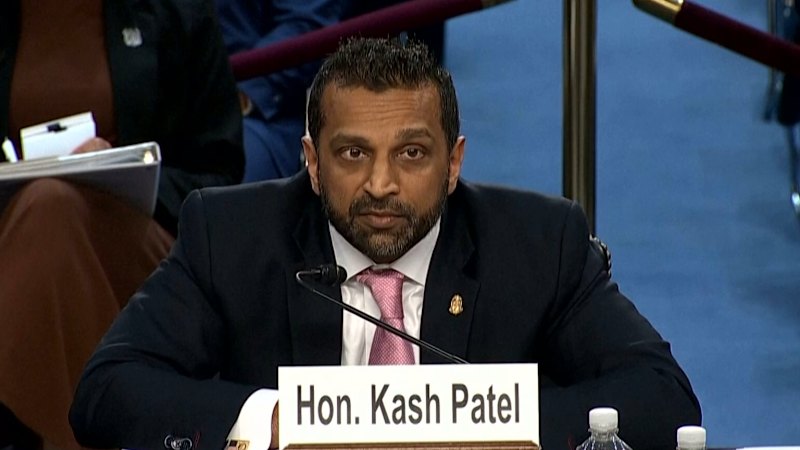
The media circus surrounding the latest tranche of Epstein documents has settled into a predictable, lazy narrative. Point the finger at the Director of the FBI, scream about cover-ups, demand resignations, and pretend that changing the guard at the top of a bureaucratic monolith will suddenly purge decades of elite complicity. It is a comforting illusion. It allows the public to personalize a systemic failure, reducing an intricate, multi-institutional rot down to a single scapegoat on the hot seat.
This is not accountability. It is theater.
Let us look at how the machinery actually operates. I have spent enough time watching intelligence and law enforcement bureaucracies self-preserve to know one fundamental truth: bureau heads do not control the institutional memory; they inherit it. When critics demand the FBI chief's head on a spike because specific names or investigative notes remain redacted or mishandled, they are projecting superhuman competence onto a role that is primarily administrative and political. The Bureau is a decentralized empire of field offices, career prosecutors, institutional inertia, and legal safety protocols. Expecting a director to personally curate and declassify sensitive historical files without triggering an internal civil war or violating privacy statutes is entirely detached from reality.
The lazy consensus says the FBI is hiding secrets to protect powerful living predators. The reality is far more mundane and much more damning: the system protects itself because transparency threatens the legitimacy of the entire oversight apparatus.
Consider the mechanics of federal document retention and redaction. When grand jury materials, unverified tips, and preliminary interview notes sit in archives for years, they are governed by strict statutory guidelines. Every time a name gets splashed across a headline without a corresponding indictment, civil liberties get shredded. Yet, the public demands maximum disclosure while simultaneously expecting airtight legal protections. You cannot have it both ways. Either we respect due process and investigative thresholds, or we turn the Justice Department into a tabloid publication.
The real scandal is not that the FBI chief is sitting on a smoking gun in a desk drawer. The scandal is that an entire social, financial, and political ecosystem functioned as an unpunished cartel for decades while law enforcement looked away. Epstein did not operate in a vacuum. He operated in plain sight because the institutions designed to check power were compromised by proximity, ambition, and institutional cowardice long before the current director took the oath.
Focusing rage on the current administration of the Bureau is a tactical win for the people who actually enabled the network. Every hour spent debating whether the FBI director should testify or resign is an hour stolen from investigating the financial conduits, the legal enablers, and the institutional gatekeepers who kept the machinery humming.
Stop looking for villains in the director's chair. The rot goes down to the foundation, and no amount of congressional grandstanding will clean house.