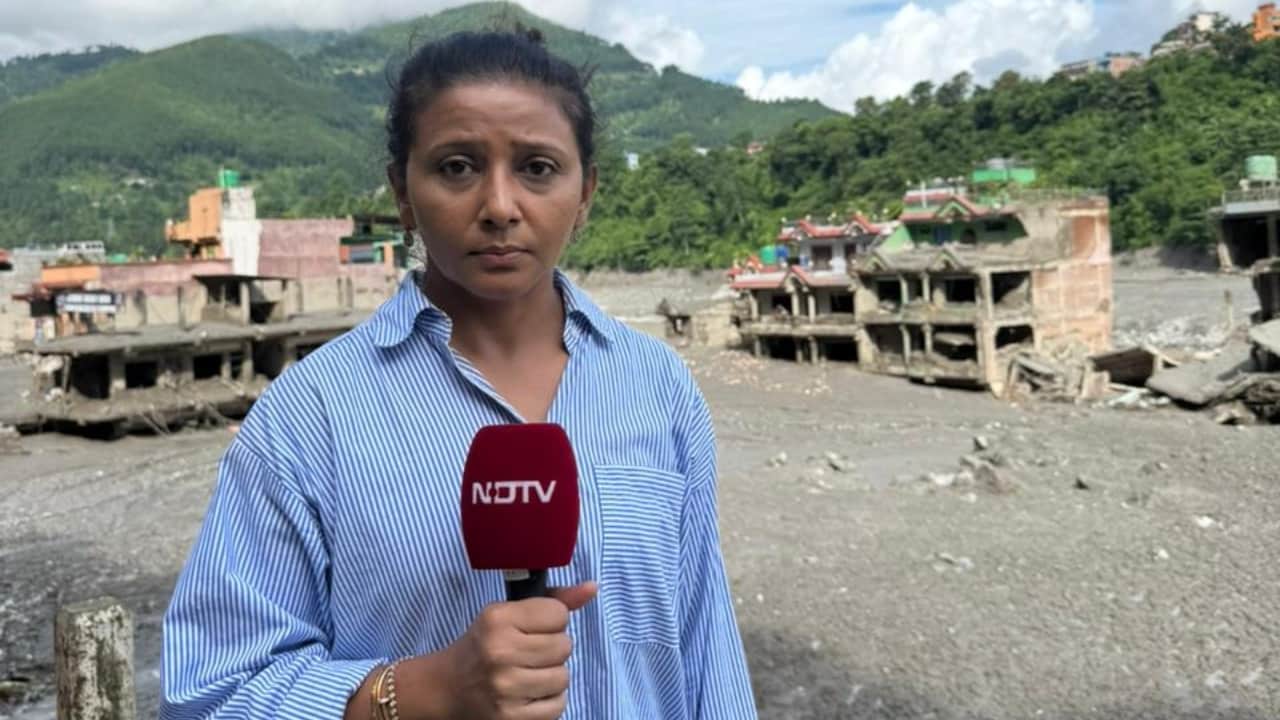
Every monsoon season, the media machine fires up the exact same script. Heavy rains hit the Himalayas. Slopes give way. Villages vanish under rivers of mud. Then comes the predictable wave of solemn broadcast reports, helicopter shots of brown scars on green hills, and earnest anchors lamenting the raw, untamed fury of natural disasters.
It is a comforting narrative for bureaucrats and planners. If a mountain falls because God or climate lost its temper, nobody is at fault. It is an act of God. A tragedy of geography. For a different view, read: this related article.
Except it is a lie.
I have spent years walking these terrain corridors, watching road expansion projects tear into fragile toes of hillsides with zero regard for drainage physics. I have seen what happens when heavy excavators slice deep vertical cuts into unstable colluvium soil just to save a few bucks on switchbacks. Further coverage on this matter has been shared by BBC News.
Mountains do not just collapse. We hand them the knife and tell them where to cut.
The Lazy Consensus Of Natural Disasters
Turn on any standard ground report covering these catastrophes and you will hear the same buzzwords. Unprecedented rainfall. Freak weather anomalies. Fragile Himalayan ecology.
This lazy consensus lets every single municipal engineer, corrupt contractor, and shortsighted transport ministry official off the hook. It frames structural failure as a meteorology problem when it is actually an engineering crime.
Let us look at the mechanics. Soil stability relies on root systems, slope angles, and groundwater drainage. When you ram a poorly planned unpaved motor road across the chest of a steep incline using an opportunistic dozer, you create a geotechnical disaster waiting for a match. You dump loose debris—spoil material—right down the slope face. The first heavy monsoon cloudburst turns that loose overburden into liquid concrete.
The rain did not cause the landslide. The unmitigated road cut caused the landslide. The rain merely served as the delivery mechanism for human arrogance.
Note: Whenever you hear an official call a recurring seasonal disaster an "anomaly," check their budget allocations for proper slope stabilization engineering. You will usually find the money went toward anything except retaining walls and subsurface drainage.
Engineering Hubris Meets Himalayan Geology
The Himalayas are the youngest, most dynamic mountain range on earth. They are growing upward while gravity pulls them downward. This means they are inherently unstable. Every geologist working in the region knows this basic reality.
Yet, local governments treat mountain roads like flat-land asphalt projects. They hire local operators with heavy machinery to cut unengineered tracks into steep hillsides—a practice locally known as dozer terrorism. There are no geologists on site. There are no geotechnical surveys. There is just a local politician wanting to deliver a road to a village before the next election cycle, trading permanent catastrophe for temporary votes.
When these makeshift tracks inevitably fail, the media blames the fragile geology. That is like blaming gravity for a plane crash when the wings fell off because the mechanic used duct tape.
The truth is stark. Nepal does not have a natural disaster crisis. It has an infrastructure governance crisis.
Why Conventional Mitigation Fails
Pouring money into disaster relief without fixing infrastructure standards is like bailing out a sinking cruise ship with a teaspoon. International aid agencies love handing out tarps and rice bags after a village gets buried. It makes for great photo opportunities and satisfies donor metrics.
It does nothing to stop the next village from sliding down the khola next year.
True mitigation requires unpopular, aggressive moves. It means banning unengineered dozer road construction. It means prosecuting contractors who dump spoil material directly into river valleys. It means accepting that not every remote settlement needs a wide dirt motor road carved into a vertical precipice. Sometimes, a suspension bridge and foot trails are the only sensible engineering solutions for extreme topography.
The Real Cost Of Cheap Roads
Ask any rural villager why they wanted the road, and they will tell you they want access to markets, schools, and hospitals. That desire is completely valid. Isolation kills dreams just as surely as mudslides kill bodies.
The fatal error lies in the false choice presented to mountain communities: either remain trapped in medieval isolation or risk being buried alive by a poorly hacked dirt track.
There is a third option. Proper engineering. Bio-engineering using deep-root native vegetation. Gabion wire walls that actually hold weight. Proper cross-drainage culverts that prevent water from pooling on vulnerable benches.
These measures cost money. They take time. They require stopping construction during the monsoon instead of rushing to hit quarterly targets. But skipping them because they are expensive is not thrift. It is manslaughter by spreadsheet.
Dismantling The Alibi
We must stop accepting the weather as an excuse for human failure. Every time a slope gives way above a settlement, we need independent forensic engineering audits, not just sympathetic news packages. We need to name the engineers who signed off on suicidal road cuts and the politicians who prioritized ribbon-cutting ceremonies over slope stability.
Until we hold human decision-makers accountable for gravity-related disasters, the mud will keep rolling, the villages will keep disappearing, and the broadcast crews will keep cashing checks off our collective amnesia.
The mountain is innocent. Stop listening to those who tell you otherwise.